
How Does a Grow Tent Work?
A grow tent works by creating a controlled environment for your plants. It reflects light onto your plants and manages temperature, humidity, and airflow. This helps your plants thrive indoors by mimicking ideal outdoor conditions. A grow tent is essentially a miniature greenhouse for your indoor garden.
Think of it as a personal spa for your plants. We found that these tents are designed to be lightproof, preventing any outside light from disturbing your plants’ cycle. They also feature reflective interiors to maximize the light your plants receive. Many also come with ports for ventilation and easy setup.
- Grow tents create controlled indoor plant environments.
- They reflect light efficiently for plant growth.
- Manage temperature, humidity, and air quality easily.
- They are typically lightproof for plant cycles.
Let’s walk through exactly how a grow tent achieves this controlled magic, step by step.
So, you’ve got your grow tent, and you’re wondering what’s going on inside that magical box. It’s not magic, but it’s pretty close! A grow tent is designed to be a self-contained ecosystem for your plants. It controls the elements that plants need to grow, just like nature does, but on a smaller scale. Let’s break down how it all comes together.
Understanding Your Grow Tent’s Purpose
The main goal of a grow tent is to give your plants a stable and ideal environment. This means controlling light, air, and moisture. It helps indoor growers overcome the challenges of not having a perfect outdoor climate. Think of it as a custom-built home for your plants. It keeps them safe and happy. It also helps them get everything they need to thrive.
Light Containment and Reflection
One of the most important jobs of a grow tent is to keep light exactly where you want it. The outside of the tent is usually made of thick, dark material. This is to block all outside light. This is super important for plants that need a dark period to grow or flower. Without it, their cycles can get messed up.
But it’s not just about keeping light in. The inside of the tent is just as crucial. Most grow tents have a highly reflective interior. Often, this is a mylar or diamond-textured material. We found that this reflective surface bounces light back onto your plants from all angles. This ensures that your plants get the most out of every bit of light you provide. It’s like giving your plants a constant sunbath from every direction.
Environmental Controls Inside the Tent
Beyond light, grow tents are built to manage a plant’s other needs. These include temperature, humidity, and fresh air. The enclosed nature of the tent helps keep these factors consistent. This prevents wild swings that can stress your plants. It creates a predictable space for them.
Temperature Regulation
Your grow lights can produce heat. Without proper ventilation, your tent can become an oven. Grow tents usually have ports for ventilation fans. These fans work to exchange the hot air inside with cooler air from outside. Many growers also use thermometers to keep an eye on the temperature. Research suggests that maintaining a consistent temperature is key for plant growth (National Garden Bureau). Different plants have different ideal ranges. You’ll want to research what’s best for your specific plants.
Humidity Management
Humidity is another factor that can be controlled within a grow tent. The enclosed space helps retain moisture. This can be beneficial, especially during the seedling stage. However, too much humidity can lead to mold or mildew problems. Ventilation helps here too. Exhaust fans pull out moist air. You can also add humidifiers or dehumidifiers if needed. We found that using a hygrometer is essential to track the humidity levels. It allows you to make adjustments as needed.
Airflow and Gas Exchange
Plants need to “breathe,” just like us. They take in carbon dioxide and release oxygen during photosynthesis. They also take in oxygen and release carbon dioxide during respiration. Proper airflow is vital for this exchange. It also helps prevent stagnant air pockets. Stagnant air can lead to pests and diseases. The ventilation system in a grow tent ensures a constant supply of fresh air. It also removes stale air. This is why many growers use oscillating fans inside the tent. These fans circulate air around the plants, mimicking a gentle breeze.
The Components That Make It Work
A grow tent isn’t just a fabric box. It’s a system with several key components working together. Understanding these parts helps you use your tent more effectively.
The Tent Fabric and Frame
The outer shell is typically made of heavy-duty canvas or nylon. This material is durable and lightproof. The frame is usually made of metal poles. These poles are strong enough to support the weight of the tent and any equipment you hang inside, like lights and fans. We found that a sturdy frame is really important for longevity and safety.
Zippers and Seals
The zippers on grow tents are designed to be lightproof. When closed, they create a seal that prevents light leaks. This is crucial for maintaining your plants’ light cycles. Some tents have double-layered zippers or light baffles for extra protection. Inspecting these seals regularly can help you catch any potential issues.
Ventilation Ports and Ducting
Grow tents come with pre-cut holes or flaps for ventilation. These are called ventilation ports. You connect ducting to these ports to run air to and from your exhaust fan and intake fan. The size and number of ports vary by tent size. Proper setup ensures good air exchange without light leaks. You want to make sure the connections are snug. This prevents unwanted air or light from entering or escaping.
Light-Proofing Features
Beyond the fabric and zippers, many tents have other features for light control. This can include light-blocking flaps over vents when not in use. Some even have double doors or double-layered openings. These are all designed to ensure absolute darkness when your plants need it. Many experts recommend checking your tent for light leaks once it’s set up. You can do this by turning off your grow room lights and looking for any pinpricks of light from the inside.
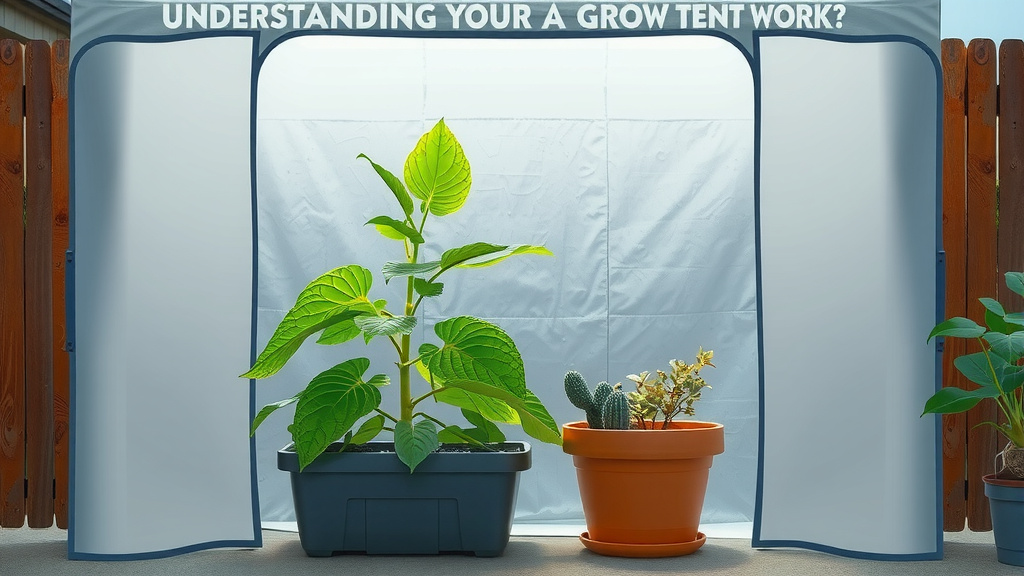
Putting It All Together for Optimal Growth
When all these elements work together, your grow tent becomes a powerful tool. It allows you to create the perfect conditions for your plants, no matter the season or your outdoor environment.
The Role of Interior Reflection
We’ve touched on this, but it’s worth repeating. The reflective interior is a game-changer. It ensures that light energy isn’t wasted. Instead of some light escaping or being absorbed by the tent walls, it’s directed back to the plants. This means your plants can grow more efficiently, even with less powerful lights. Diamond-textured mylar, for example, diffuses light more evenly than a smooth surface. This helps reduce hot spots and ensures more uniform growth.
Creating a Microclimate
The grow tent effectively creates a controlled microclimate. This microclimate shields your plants from external fluctuations. It allows you to precisely manage factors like CO2 levels, humidity, and temperature. This precision is what allows for faster growth and higher yields. It’s like giving your plants a personalized, climate-controlled environment. Research indicates that stable environmental conditions lead to healthier plants (Horticultural Science Journal).
Checklist for a Healthy Grow Tent Environment:
- Ensure the tent is completely lightproof.
- Monitor and adjust temperature regularly.
- Track and manage humidity levels.
- Maintain good airflow with fans.
- Check that all ventilation ports are sealed when not in use.
- Use reflective material to maximize light efficiency.
Conclusion
You’ve learned how a grow tent creates a controlled environment for your plants. It expertly manages light, temperature, humidity, and airflow. This allows you to provide ideal conditions year-round. The reflective interior maximizes your lighting efforts. The durable fabric and frame ensure a stable structure. By understanding its components, you can optimize your plant’s growth. Now, it’s time to set up your tent and give your plants the perfect indoor home.
Frequently Asked Questions
Will a grow tent stop all light leaks?
Most high-quality grow tents are designed to be lightproof. They use thick, dark fabric and carefully sealed zippers. We found that checking for small leaks after setup is a good idea. A quick inspection with lights off can reveal any weak spots.
How often should I change the air inside my grow tent?
The frequency depends on your tent size, lights, and plant density. A common recommendation is to exchange the air in the tent completely every few minutes. You can calculate this based on your fan’s cubic feet per minute (CFM) rating.
Can I use a grow tent without a fan?
While you can set up a grow tent without a fan, it’s not recommended for optimal plant health. Plants need fresh air for gas exchange. Without a fan, stale air can build up, increasing the risk of mold and poor growth.
What’s the difference between mylar and diamond-textured interiors?
Both mylar and diamond textures are highly reflective. Mylar offers a very high reflectivity percentage. Diamond textures are designed to diffuse light more evenly, reducing hot spots. We found that both can be very effective for plant growth.
How do I prevent pests and diseases in my grow tent?
Maintaining proper airflow and humidity control is key. Regularly inspect your plants and tent for any signs of pests. Keep the inside of your tent clean. Good hygiene prevents many common issues before they start.
![7 Best Cheap 2 Person Tent [2026]](https://leonardhomeoutdoor.com/wp-content/uploads/2026/08/7-best-cheap-2-person-tent-2026-featured-768x432.jpg)



![7 Best Air Tent Electric Pump [2026]](https://leonardhomeoutdoor.com/wp-content/uploads/2026/07/7-best-air-tent-electric-pump-2026-featured-768x432.jpg)