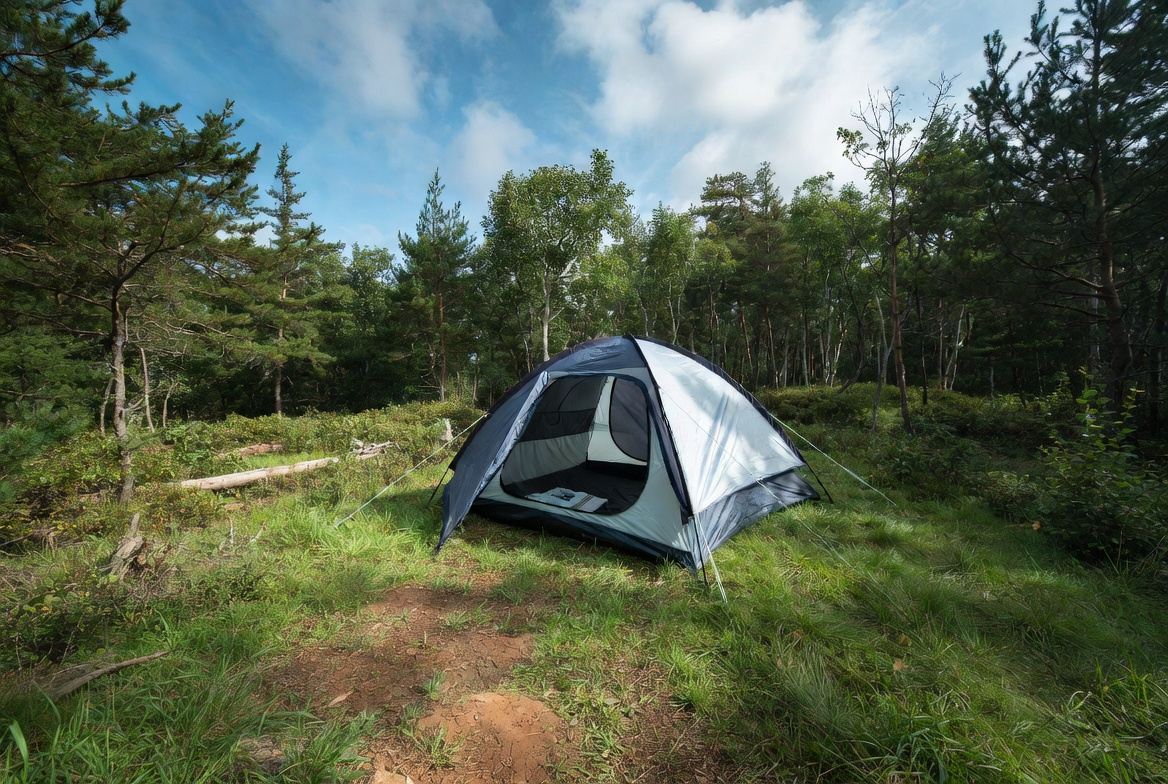
Ozark Trail vs Core Tent: The Ultimate Budget Family Tent Battleground
When you’re standing in the camping aisle trying to decide between two budget-friendly family tents, it feels like you’re picking between two mystery boxes, doesn’t it? Both Ozark Trail and Core tents promise affordable camping solutions, but which one actually delivers the goods? I’ve spent considerable time researching, comparing specifications, and analyzing real user experiences to help you make an informed decision. Let me walk you through everything you need to know.
Understanding the Budget Tent Market
The camping industry has evolved tremendously over the past decade. You no longer need to spend $800 to $1,200 on a quality family tent. Budget-conscious manufacturers have stepped up their game, offering surprisingly capable tents at prices that won’t make your wallet cry. However, “budget-friendly” doesn’t mean you should compromise on essential features like durability, weather resistance, and interior comfort.
Think of budget tents as the economy class of camping gear. You’re getting from point A to point B comfortably, but you’re not getting the luxury upgrades. The key is finding which budget option gives you the best bang for your buck.
Ozark Trail Tents: What You’re Getting
Brand Overview and Market Position
Ozark Trail is Walmart’s exclusive camping brand, and they’ve been in the game longer than many people realize. They’ve built a reputation for delivering decent quality at prices that seem almost too good to be true. The brand focuses on accessibility, making camping equipment available to families who might otherwise find it financially out of reach.
Popular Ozark Trail Models for Families
The most popular Ozark Trail family tent is their 10-person, 2-room configuration. This tent typically features a spacious main sleeping area plus a smaller room, perfect for families wanting some separation between adults and kids. The price point usually hovers around $100 to $150, which is genuinely impressive for the capacity.
Design and Construction Features
Ozark Trail tents use polyester fabric with a polyethylene floor, which provides basic water resistance. The poles are typically fiberglass, offering reasonable strength without excessive weight. The stitching quality varies depending on the specific model, but you’ll generally find decent seam construction throughout.
What I appreciate about Ozark Trail’s design is their simplicity. There’s no unnecessary complexity—just straightforward tent engineering that gets the job done. The ventilation system includes mesh windows and vents, which helps manage condensation during cooler nights.
Ease of Setup
Setting up an Ozark Trail tent is refreshingly straightforward. Most models can be pitched in 10 to 15 minutes with two people working together. The poles slide into sleeves, color-coded stakes match designated anchor points, and the instructions are relatively clear. However, don’t expect lightning-fast setup if you’re a solo camper—having another set of hands makes a significant difference.
Durability and Weather Resistance
This is where budget tents show their limitations. Ozark Trail tents handle light to moderate rain reasonably well, thanks to their polyethylene floor and basic water-resistant coating. However, during heavy downpours or sustained wet conditions, you might experience some seepage, particularly at seam areas.
The fiberglass poles are adequate for normal conditions but can crack if stressed. The fabric itself resists tearing and UV damage better than you’d expect, but it’s not invincible. Treat your Ozark Trail tent with respect, and it’ll reward you with several seasons of camping memories.
Core Tents: Breaking Down the Competition
Brand History and Reputation
Core Equinox is a distinct brand within the camping equipment space. They’ve positioned themselves as the thinking person’s budget tent option, focusing on specific improvements in ventilation, water resistance, and user experience. They’re not the cheapest option, but they bridge the gap between ultra-budget and premium pricing.
Core’s Standout Family Models
The Core Equinox 11-person tent is their flagship family model, offering more interior space than comparable Ozark Trail models. The 2-room configuration gives you similar separation options, but the overall footprint is more generous. Expect to pay around $200 to $250 for this model.
Construction Quality and Materials
Core tents use higher-grade polyester fabric compared to Ozark Trail. The material feels more substantial, and the water-resistant coating appears more robust. Their floors feature a similar polyethylene construction, but the overall seal seems tighter and more carefully applied.
The pole construction is where Core makes a notable difference. They use aluminum poles with shock-cord connections, which are more durable and easier to assemble than fiberglass alternatives. This might seem like a small detail, but it impacts your camping experience every single time you set up camp.
Setup Experience
Setting up a Core tent requires slightly more time initially, but the process feels more methodical and secure. The shock-cord poles click together smoothly, and the tent structure feels more stable as you’re assembling it. With experience, you can pitch a Core tent in about 12 to 18 minutes.
Weather Protection and Sealing
Here’s where Core demonstrates why they cost slightly more. The seams appear better taped, the floor seal looks more comprehensive, and the overall construction suggests greater attention to water-shedding design. Users report better performance during heavy rain, with fewer instances of seepage at vulnerable points.
The ventilation system is noticeably better engineered too. Multiple vent locations help control condensation without compromising weather protection, which is a genuine engineering achievement at this price point.
Head-to-Head Comparison: The Detailed Breakdown
Price Comparison
Ozark Trail clearly wins on raw price. You’re looking at $100 to $150 for a 10-person model, while Core demands $200 to $250. That’s roughly a 50 to 70 percent price premium for Core.
The question isn’t which is cheaper—it’s whether the extra investment in Core justifies the additional cost. This depends entirely on your camping frequency and priorities.
Interior Space and Room Configuration
Core tents typically offer more usable interior space. The footprint is larger, ceilings feel higher, and the overall sense of openness is more pronounced. If you’re camping with four to six people regularly, you’ll genuinely appreciate the extra room.
Ozark Trail tents feel more cramped by comparison. A 10-person capacity tent still requires careful gear placement and sleeping arrangement planning. If you’re pushing near maximum capacity, comfort drops noticeably.
Weight and Portability
Both brands produce relatively heavy tents due to their polyester construction and capacity. Ozark Trail models typically weigh slightly less because they use thinner materials. Core tents weigh more, reflecting their heavier-gauge fabrics and aluminum poles.
Neither is exactly backpacking-friendly, but for car camping where weight matters less, both are acceptable. If you’re regularly transporting gear and need lightweight options, you’ll want to look beyond both these budget brands.
Ventilation and Condensation Management
This is an often-overlooked aspect that makes a real difference in your camping experience. Waking up to a soaking wet sleeping bag because condensation accumulated overnight is genuinely miserable.
Core’s superior ventilation design keeps moisture levels manageable even during cool nights. Ozark Trail’s simpler ventilation approach means you’ll experience more condensation, particularly in shoulder seasons when temperature drops significantly.
Longevity and Replacement Parts
Ozark Trail benefits from Walmart’s distribution network. Finding replacement poles, stakes, or patches is relatively easy and inexpensive. The downside is that manufacturers optimize these tents for cost rather than long-term durability.
Core tents should theoretically last longer due to superior construction, but replacement parts are harder to source. You’ll likely order online rather than finding parts at local retailers. However, fewer parts will need replacing if the initial quality is better.
Real-World User Experiences
What Ozark Trail Owners Report
The consensus among Ozark Trail users is surprisingly positive for such an inexpensive product. Casual campers—those taking trips once or twice yearly—report satisfaction with reliability and basic functionality. The complaints center on condensation issues and seam durability after multiple seasons.
Parents particularly appreciate Ozark Trail’s affordability, which lets families try camping without major financial commitment. Once they determine camping is their thing, many upgrade to better tents. Ozark Trail succeeds as an entry-point tent.
What Core Tent Owners Appreciate
Core owners highlight the construction quality and weather protection. Experienced campers appreciate the engineering details, noting better pole connections and more thoughtful ventilation design. They report fewer weather-related issues and greater longevity.
The higher initial cost is justified through fewer frustrating wet-tent experiences and greater long-term durability. Users who camp regularly—monthly or more frequently—consistently prefer Core’s overall approach.
Climate Considerations
Warm, Dry Climates
In arid regions with minimal rainfall, both tents perform adequately. Ozark Trail’s simpler design doesn’t matter much when precipitation is infrequent. The price advantage becomes the primary consideration, making Ozark Trail a reasonable choice.
Temperate Climates with Seasonal Variation
This is where Core shows its value. Transitional seasons bring cool nights that generate condensation. Core’s ventilation engineering prevents the internal moisture buildup that plagues Ozark Trail tents. If you camp during spring or fall, Core’s advantages become tangible.
Wet, Pacific Northwest Type Climates
If you’re in a region that receives frequent rainfall, Core becomes the superior choice. The taped seams, better water-resistant coating, and improved floor seal mean you’ll actually stay dry during extended wet weather. Ozark Trail tents might develop leaks during sustained downpours.
Specific Use Case Scenarios
Family with Young Children
For families just starting their camping journey, Ozark Trail makes sense. Young kids are forgiving, the financial commitment is low, and you’ll learn whether your family actually enjoys camping before investing heavily in gear.
Established Camping Family
Families camping multiple times yearly should seriously consider Core. The improved comfort and weather protection justify the additional investment. You’ll spend less time managing condensation and more time enjoying nature.
Car Camping Enthusiasts
If you’re doing extended car camping trips in established campgrounds, Core’s advantages compound. The extra interior space, better ventilation, and superior weather protection all contribute to a more enjoyable experience when you’re spending several consecutive nights in the tent.
Backyard Camping and Glamping
For casual backyard camping, either option works fine. Since weight and portability matter less, you could even choose based purely on available budget and preferred interior space.
Maintenance and Care Requirements
Cleaning and Storage
Both tents require similar maintenance. Brush off debris after camping, allow them to dry completely before storage, and keep them in cool, dry locations. Prolonged moisture exposure degrades any tent’s materials.
Seasonal Preparation
Before storing for extended periods, inspect seams and apply sealant if needed. Core tents come with better initial sealing, but both benefit from occasional touch-ups. The process is identical for both brands, though Core’s better initial quality means less frequent maintenance.
Repair Capability
Small tears in either tent can be patched using standard repair kits available at outdoor retailers. Pole replacement is more involved but still manageable. Core’s aluminum poles are easier to repair or replace than Ozark Trail’s fiberglass options.
Environmental and Sustainability Considerations
Budget tents, by their nature, often end up in landfills after a few seasons. Both Ozark Trail and Core use synthetic materials that persist indefinitely in the environment. If sustainability matters to you, both options present challenges.
That said, Core’s superior durability means fewer replacements over time, which reduces overall environmental impact. Keeping one high-quality tent for ten years beats replacing a budget tent every three years from an ecological perspective.
The Value Proposition Question
When Ozark Trail Makes Sense
- You’re camping fewer than three times annually
- Budget is your primary constraint
- You’re in a dry climate region
- You’re testing whether your family enjoys camping
- You need maximum capacity at minimum cost
When Core Offers Better Value
- You camp monthly or more frequently
- Weather protection matters significantly
- You’re camping in variable climate conditions
- Interior comfort impacts your camping satisfaction
- You want a tent lasting multiple years
Final Recommendations Based on Your Situation
The Budget-Conscious Beginner
Start with Ozark Trail. There’s nothing wrong with this choice. You’ll learn whether camping fits your lifestyle without major financial risk. Many families camp successfully with Ozark Trail for years. The brand has earned its reputation through providing basic camping functionality at genuinely affordable prices.
The Committed Camper
Invest in Core. The additional $100 to $150 is money well spent. You’ll experience fewer weather-related frustrations, enjoy superior interior comfort, and benefit from better construction quality. The tent will likely last multiple years longer than an Ozark Trail alternative, improving the value proposition considerably.
The Pragmatic Middle Ground
Consider your typical camping conditions. If you primarily camp in established campgrounds during good weather, Ozark Trail suffices. If you adventure into variable weather or camp frequently, Core becomes the logical choice. It’s really about matching gear to actual usage patterns.
Conclusion
The Ozark Trail versus Core tent decision ultimately depends on your camping frequency, climate conditions, and comfort priorities. Ozark Trail delivers genuine value at an unbeatable price point, making it perfect for casual campers and budget-conscious families testing whether camping is right for them. The tent works, it’s affordable, and it opens camping doors for people who might otherwise find entry barriers too high.
Core tents represent a step up in quality, construction, and user experience. They cost more upfront but deliver better weather protection, superior ventilation, and greater longevity. For families camping multiple times yearly or in challenging weather conditions, Core’s additional investment pays dividends through improved comfort and reliability.
Neither tent is bad—they simply serve different purposes. An Ozark Trail tent might be perfect for someone camping twice yearly in dry climates, while a Core tent is ideal for families embracing camping as a regular recreational activity. Assess your actual camping habits, consider your regional climate, and choose accordingly. Your camping experience will improve immediately once you own the tent that matches your needs.
Frequently Asked Questions
How long do Ozark Trail tents typically last?
Ozark Trail tents usually
![7 Best Places To Tent Camp In Colorado [2026]](https://leonardhomeoutdoor.com/wp-content/uploads/2026/09/7-best-places-to-tent-camp-in-colorado-2026-featured-768x432.jpg)