Ozark Trail vs Core Tents: The Ultimate Guide to Choosing Your Perfect Camping Shelter
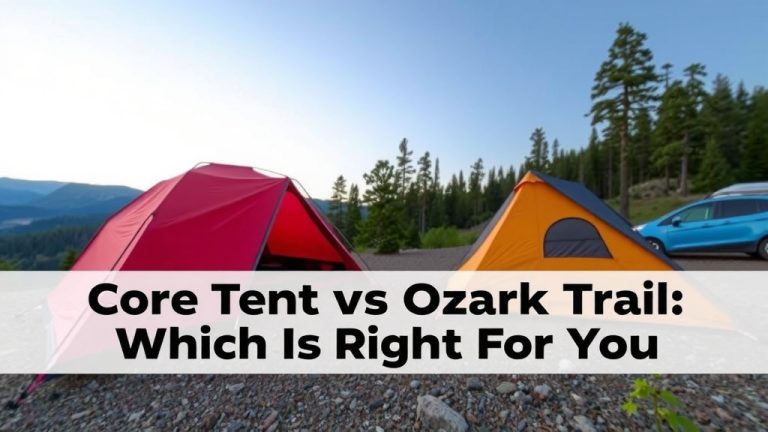
When you’re standing in the camping gear aisle or scrolling through online retailers, you’ve probably noticed two names popping up repeatedly: Ozark Trail and Core Equipment. Both brands have earned solid reputations in the outdoor community, but which one actually deserves a spot in your camping arsenal? That’s exactly what we’re going to explore together in this comprehensive comparison.
Think of choosing a tent like selecting a home away from home. You wouldn’t pick a house based on the color of the front door alone, right? Similarly, picking the right tent requires understanding what each brand offers, how they perform in real-world conditions, and whether they align with your camping style and budget.
Understanding the Brands: A Quick Overview
What Makes Ozark Trail Special?
Ozark Trail has carved out its niche in the budget-conscious camping market. If you’re familiar with Walmart, you’ve probably seen Ozark Trail products on the shelves. They’ve become synonymous with affordable outdoor gear that doesn’t completely sacrifice quality. The brand focuses on making camping accessible to families and casual enthusiasts who don’t want to spend a fortune on their outdoor adventures.
What I find interesting about Ozark Trail is their philosophy. They understand that not everyone is willing to drop $500 on a premium tent, especially if they’re just getting started with camping. Their products are designed with this reality in mind, offering decent performance at wallet-friendly prices.
What About Core Equipment?
Core Equipment, on the other hand, positions itself as a step above budget camping. They’re not quite in the ultra-premium category, but they’re definitely not racing to the bottom on price either. Core tents are often found through specialty outdoor retailers and online outdoor gear shops, catering to folks who want reliable performance without selling a kidney.
Core’s approach is interesting because they seem to target the intermediate camper—someone who’s done a few trips, knows what they want, and is willing to invest a bit more for better reliability and features.
Price Point Comparison: What Will Your Wallet Actually Feel?
Ozark Trail Pricing Strategy
Let’s be honest: price is often the deciding factor for many of us. Ozark Trail tents typically range from about $50 for basic models to around $200 for their more advanced options. Most quality Ozark Trail tents that people actually want to camp in fall somewhere between $80 and $150. That’s a comfortable price range if you’re budget-conscious or just testing the waters with camping.
The beauty of this pricing is that you can afford to experiment. Want to try a two-person tent first? An Ozark Trail model might only set you back $60 to $80. That’s manageable even if you decide camping isn’t your thing.
Core Equipment Pricing Structure
Core tents generally cost more. You’re typically looking at $150 to $400 for a decent Core tent. Their entry-level models might start around $120, but their popular options hover in the $200 to $300 range. That’s roughly double what you’d spend on a comparable Ozark Trail tent.
Is that extra money worth it? Well, that depends on what you’re getting for it, which brings us to our next comparison point.
Material Quality and Durability: The Long Game
Ozark Trail Materials Under the Microscope
Ozark Trail uses polyester fabrics for their tent bodies, which is actually pretty standard in the budget-to-mid-range category. Their floor materials are typically polyethylene, which does an okay job of keeping moisture out. The seams are often sealed, though the quality of this sealing can vary depending on the specific model.
Here’s the thing about Ozark Trail materials: they work fine for casual camping trips during pleasant weather. If you’re planning three or four camping trips a year in decent conditions, an Ozark Trail tent will likely hold up. However, if you’re the type who camps in challenging weather or takes your tent out dozens of times per year, you might notice durability issues creeping in after a couple of seasons.
Core Equipment’s Material Approach
Core tends to use higher-quality polyester blends and often incorporates ripstop fabrics, which are specifically designed to resist tearing. Their floor materials are usually more robust polyethylene or specialized materials that provide better water resistance. Seam sealing is typically more thorough across Core’s range.
The real difference is in the attention to detail. Core’s tents feel more substantial when you handle them. The fabric has more weight to it, and the overall construction feels like they expect these tents to handle abuse. It’s similar to comparing a budget car that gets you from point A to point B with a midrange car that does so while actually feeling pleasant to drive.
Long-Term Durability Expectations
With proper care, an Ozark Trail tent might last three to five years of regular use. Core tents tend to push that to five to eight years, sometimes longer. This difference factors significantly into the true cost per year of ownership.
- Ozark Trail: Better for occasional users or those on tight budgets
- Core Equipment: Better investment for frequent campers
Design and Features: What Separates Modern Tents?
Ozark Trail Design Philosophy
Ozark Trail keeps their designs functional and straightforward. They don’t overthink things. You get a tent with a door, windows for ventilation, interior pockets for gear storage, and that’s about it. Their dome-style and tunnel-style tents are the bread and butter of their lineup.
What I appreciate is that Ozark Trail doesn’t try to reinvent the wheel. They stick with proven designs that work. This simplicity also means fewer things can break or fail. There’s something refreshing about that approach, honestly.
Core Equipment’s Feature Set
Core tends to include more thoughtful features. You might find color-coded pole sleeves that make setup easier, gear lofts for hanging items inside the tent, better-designed ventilation systems to minimize condensation, and more sophisticated door configurations. Some Core models include vestibules on both ends, which is great if you’re camping with a partner and need separate storage areas.
These features aren’t just flashy additions either—they genuinely improve the camping experience. That gear loft means you’re not fumbling around in the dark looking for your headlamp. Better ventilation means you wake up with less condensation making everything damp.
Weather Resistance: When the Elements Attack
Rain Performance Comparison
Both brands use water-resistant coatings on their fabrics, but the quality differs. Ozark Trail tents handle light to moderate rain just fine. You might experience some seepage at seams if you get heavy downpours, particularly in older models. The seam sealing is decent, but not exceptional.
Core tents are more aggressive with their water resistance. Higher-quality coatings and better seam sealing mean they handle sustained heavy rain without issues. If you’re camping in regions with unpredictable weather, this matters.
Wind Stability
Here’s where tent design comes into play. Both brands offer dome and tunnel designs, which are naturally stable. However, Core’s pole structures are often engineered more carefully for stress distribution. Ozark Trail tents are generally fine for moderate winds, but severe wind scenarios might shake them more noticeably.
Temperature Regulation
Interestingly, both brands perform similarly here since temperature management depends more on your sleeping system than the tent itself. However, better ventilation in Core tents can help in humid conditions, and their thicker fabrics provide slightly better insulation in cold temperatures.
Setup and Ease of Use: Time Matters When You’re Tired
Ozark Trail Assembly Experience
Ozark Trail tents are generally easy to set up. Most models are traditional pole-and-sleeve designs that even beginners can handle in 10 to 15 minutes. The instructions are straightforward, usually with clear diagrams. If you’ve set up a tent before, Ozark Trail will feel familiar and uncomplicated.
The downside is that there’s nothing particularly innovative to speed things up. If you’re setting up in the dark or in less-than-ideal conditions, you might find yourself wishing for some quality-of-life features.
Core Equipment Setup Process
Many Core tents feature color-coded poles or sleeves, which genuinely does make setup faster once you understand the system. Some models have clip systems instead of sleeves, which can be quicker if you prefer that style. The engineering is often more intuitive.
Average setup time for Core tents is often 8 to 12 minutes for experienced users, and the process usually feels more streamlined. It’s a small difference, but when you’re tired after a long drive, those few minutes matter.
Ventilation Systems: The Forgotten Feature
How Ozark Trail Handles Airflow
Most Ozark Trail tents have a single or dual door setup with windows for cross-ventilation. This is basic but functional. The vents usually don’t have any special mesh or design—they’re just openings. On muggy nights, you might deal with condensation buildup inside the tent.
Core Equipment’s Ventilation Strategy
Core often incorporates more sophisticated ventilation systems with properly positioned vents, sometimes with adjustable openings. Better mesh designs allow air circulation while keeping insects out. This thoughtful approach to airflow significantly reduces condensation issues.
If you’re camping in warm, humid conditions or with multiple people in a tent (which increases moisture), Core’s ventilation advantage becomes noticeable and appreciated.
Weight and Portability: Backpacking Considerations
Ozark Trail Weight Profile
Most Ozark Trail tents are designed for car camping, so weight isn’t their primary concern. A typical two-person Ozark Trail tent weighs 4 to 6 pounds, which is fine for drive-up camping but heavy for backpacking. Their larger family tents can weigh 15 to 25 pounds or more.
Core Equipment’s Weight Strategy
Core offers options across the weight spectrum. Some models are designed with backpacking in mind and come in under 4 pounds for two-person tents. Others are heavier but more spacious. This variety means you can choose based on your specific needs.
If you’re considering backpacking trips, Core gives you better lightweight options. Ozark Trail’s lightweight options are more limited.
Interior Space and Comfort: Room to Breathe
Ozark Trail Spatial Design
Ozark Trail tents tend to be utilitarian in their layout. You get what you need for sleeping and minimal extra space. Headroom is often adequate but not generous. For couples or solo campers, this is fine. For families, their larger models do provide reasonable space, though it might feel cozy with multiple people and gear.
Core Equipment Space Philosophy
Core tents often incorporate better interior design. Angles and curves are optimized for usable space, and headroom is often more generous. Some models feature separate sleeping and gear storage areas, which makes the sleeping quarters feel less cramped.
If you value comfort and don’t mind paying for it, Core’s interior design is noticeably more pleasant, especially on multi-night trips.
Storage and Organization Features
Ozark Trail Storage Solutions
Basic interior pockets along the tent walls provide some storage for small items. This is functional but minimal. You’ll likely need to keep gear organized elsewhere or use additional storage solutions.
Core Equipment Organization Options
Core tents often include gear lofts, larger pockets, and sometimes multiple storage areas. These features make it easier to keep your tent organized and items accessible. It’s a quality-of-life improvement that makes camping feel less chaotic.
Value for Money: The Real Comparison
When Ozark Trail Makes Sense
- You’re new to camping and testing the waters
- You camp infrequently (fewer than five trips per year)
- Your budget is tight, and affordability is the priority
- You primarily camp in good weather conditions
- You’re looking for basic functionality without extra frills
When Core Equipment Justifies the Cost
- You camp regularly and want reliability
- You encounter variable weather conditions
- You value comfort and smart design features
- You want a tent that will last many years
- You’re willing to invest more upfront to avoid replacement costs later
Real-World Performance: What Actual Users Experience
Ozark Trail User Feedback Patterns
Owners appreciate the affordability and that the tents actually work for what they cost. Common complaints involve condensation in humid conditions and occasional seam leaks during heavy rain. Users with high expectations for durability sometimes feel disappointed after a couple of years of frequent use.
However, casual campers generally report satisfaction. They got what they paid for: a functional shelter for weekend trips.
Core Equipment User Satisfaction
Core tent owners tend to express higher satisfaction levels. They appreciate the thoughtful design, better weather resistance, and durability. The main complaint is usually the price, but most feel it’s justified after using the tent.
Long-term owners particularly value the durability, noting their tents still perform well after many years of use.
Specific Model Comparisons
Entry-Level Two-Person Tents
The Ozark Trail 2-Person Dome Tent (around $70) versus the Core Equipment Instant Cabin 2 Tent (around $150). The Ozark Trail gets you inside out of the elements. The Core provides better ventilation, easier setup, and superior materials. If you’re casual about camping, Ozark Trail wins. If you plan regular trips, Core’s value emerges.
Family Tent Category
Ozark Trail’s 8-Person Tent (around $120-150) offers space and price appeal. Core’s family-oriented models cost more but deliver better weather protection and interior organization. For family camping where you’re truly living in the tent for multiple days, Core’s thoughtful design shines.
The Warranty and Customer Support Difference
Ozark Trail Warranty Approach
Ozark Trail typically offers basic limited warranties. Since they’re sold through Walmart, returns are handled through Walmart’s customer service. This is convenient but sometimes frustrating if issues arise months into ownership.
Core Equipment Support Structure
Core tends to offer more comprehensive warranties and direct customer support. If something fails, you’re dealing with a company that specializes in outdoor gear and understands the issues. This can make a difference if you need help troubleshooting or replacing parts.
![7 Best Canopy Tent For Camping [2026]](https://leonardhomeoutdoor.com/wp-content/uploads/2026/08/7-best-canopy-tent-for-camping-2026-featured-768x432.jpg)
![7 Person Tent Car Camping [2026]](https://leonardhomeoutdoor.com/wp-content/uploads/2026/08/7-person-tent-car-camping-2026-featured-768x432.jpg)