
How Heavy Is a Rooftop Tent?
So, you’re wondering, “How heavy is a rooftop tent?” Generally, rooftop tents weigh between 50 to 150 pounds. This weight can vary based on size, materials, and whether it’s a soft or hard shell model. It’s a crucial factor for your vehicle’s capacity.
When you’re choosing a rooftop tent, its weight directly impacts your vehicle’s carrying capacity and driving dynamics. Understanding the weight of different types, like the lighter soft shells versus the sturdier hard shells, helps you make an informed decision for your adventures.
- Rooftop tents typically weigh 50-150 lbs.
- Weight depends on size, materials, and shell type.
- Consider your vehicle’s weight limit carefully.
- Soft shells are usually lighter than hard shells.
Let’s break down the weights of different rooftop tent styles and what you need to consider for your rig.
Understanding Rooftop Tent Weight for Your Vehicle
So, you’re curious about how much weight a rooftop tent adds to your vehicle. Most rooftop tents tip the scales between 50 and 150 pounds. This range accounts for different sizes and construction methods. Knowing this figure is essential for vehicle safety and performance.
The weight of your rooftop tent matters more than just adding a few extra pounds. It directly affects your vehicle’s payload capacity. This is the maximum weight your vehicle can safely carry, including passengers, cargo, and the tent itself.
Factors Influencing Rooftop Tent Weight
Several things make one rooftop tent heavier than another. Think about it like buying a suitcase; some are made of lighter materials and have fewer features. Rooftop tents are similar.
Size Matters: Small to Large RTTs
The most obvious factor is the tent’s size. A small, two-person tent will naturally weigh less than a large, four-person model. Larger tents use more fabric, more robust framing, and often thicker mattresses, all adding to the overall weight.
Materials: Fabric vs. Aluminum
The materials used in construction play a big role. Most tents use durable, weather-resistant fabrics like ripstop polyester or canvas. The poles and frame are often made from aluminum, which is lightweight but strong. Some higher-end models might use more advanced, lighter materials. We found that aluminum is a common choice for its durability and weight balance.
Soft Shell vs. Hard Shell Designs
This is a major differentiator in weight. Soft shell tents typically fold up like a traditional tent and are covered by a fabric rainfly when closed. This design often uses lighter materials overall. Hard shell tents, on the other hand, have a rigid casing, usually made of fiberglass, ABS plastic, or aluminum. This casing protects the tent fabric and offers a more aerodynamic profile when closed but adds considerable weight.
| Tent Type | Typical Weight Range (lbs) | Pros | Cons |
|---|---|---|---|
| Soft Shell | 50 – 100 lbs | Lighter, generally more affordable | Takes longer to set up, less durable casing |
| Hard Shell (ABS/Fiberglass) | 100 – 150 lbs | Quicker setup, more durable, better aerodynamics | Heavier, more expensive |
| Hard Shell (Aluminum) | 120 – 170 lbs | Very durable, lightweight for its strength, good for extreme conditions | Most expensive, can be the heaviest |
Your Vehicle’s Weight Capacity: The Payload Limit
This is where things get serious. Every vehicle has a Gross Vehicle Weight Rating (GVWR). This is the maximum operating weight of your vehicle as specified by the manufacturer. It includes the weight of the vehicle itself, plus fuel, passengers, and cargo. Your rooftop tent must fit within this limit.
Calculating Your Available Payload
To find your available payload, you need to know your vehicle’s GVWR. You can usually find this on a sticker inside the driver’s side doorjamb or in your owner’s manual. Then, you need to know your vehicle’s Curb Weight. This is the weight of the vehicle with standard equipment, full fluids, and a full tank of gas, but no passengers or cargo.
The formula is simple: Available Payload = GVWR – Curb Weight. For example, if your vehicle’s GVWR is 5,000 lbs and its curb weight is 4,000 lbs, you have 1,000 lbs of available payload.
Don’t Forget Other Gear!
The rooftop tent isn’t the only thing you’ll be carrying. You need to factor in the weight of your family, pets, luggage, camping gear, food, water, and anything else you pack. Some people forget about the weight of the roof rack system itself, which can add another 20-50 pounds.
Impact on Driving Dynamics and Safety
Adding weight to your roof changes how your vehicle handles. A heavier tent, especially a hard shell, can raise your vehicle’s center of gravity. This can make it feel less stable, particularly when cornering or dealing with crosswinds. We found that many users report a noticeable difference in handling with a loaded roof rack.
Fuel Economy Considerations
More weight generally means more fuel consumption. Aerodynamics also play a role. A bulky rooftop tent, especially a soft shell that isn’t perfectly packed, can increase drag. This means you’ll likely see a drop in your miles per gallon (MPG). It’s a small trade-off for the convenience of a rooftop tent, but it’s something to be aware of.
Roof Rack Strength: A Critical Component
Your roof rack system is the foundation for your rooftop tent. It needs to be strong enough to support the tent’s static weight (when parked) and its dynamic weight (when the vehicle is moving). Most manufacturers specify a dynamic load rating and a static load rating for their roof racks. The dynamic rating is usually much lower, often around 165 lbs, which is what you need to worry about most while driving. Always check the specs for both your tent and your roof rack system. Many experts recommend specific heavy-duty roof rack systems designed for rooftop tents.
What’s a Realistic Total Weight?
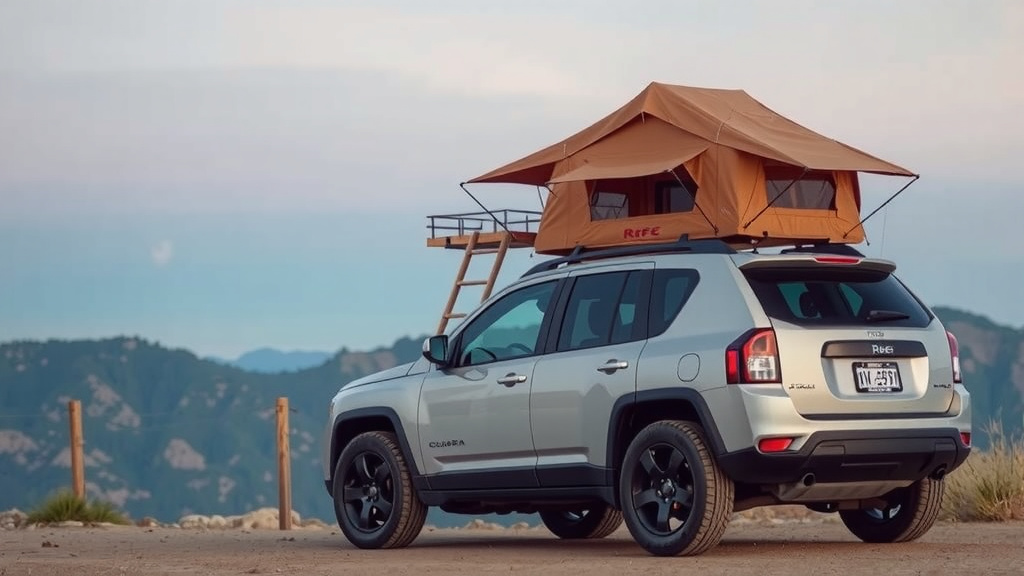
When you combine a typical rooftop tent (say, 100 lbs) with a robust roof rack system (say, 30 lbs) and all your camping gear (let’s estimate another 100-200 lbs), you’re looking at potentially adding 230-330 lbs to your vehicle’s roof. This is why knowing your vehicle’s payload capacity is absolutely non-negotiable. Some lighter tents might push the total lower, while larger, heavier tents could push it higher.
Checklist for Rooftop Tent Weight Considerations
- Determine your vehicle’s GVWR and Curb Weight.
- Calculate your exact available payload capacity.
- Note the weight of your chosen rooftop tent.
- Estimate the weight of all your extra gear.
- Verify the dynamic load rating of your roof rack.
- Never exceed your vehicle’s total payload limit.
Conclusion
You’ve learned that rooftop tents typically weigh between 50 and 150 pounds, with variations based on size, materials, and shell type. This weight is a key factor impacting your vehicle’s payload capacity and driving dynamics. Always remember to factor in the tent’s weight plus all your gear to stay within your vehicle’s Gross Vehicle Weight Rating (GVWR).
Before you buy, we urge you to calculate your vehicle’s available payload and compare it against the tent’s specifications and your expected load. Making this calculation ensures a safe and enjoyable adventure.
Frequently Asked Questions
Can my car handle the weight of a rooftop tent?
It depends on your car’s specific Gross Vehicle Weight Rating (GVWR) and curb weight. You must calculate your available payload capacity by subtracting the curb weight from the GVWR. Ensure this remaining capacity can safely support the rooftop tent and all your other gear.
Do hard shell rooftop tents weigh more than soft shell tents?
Generally, yes. Hard shell tents often use rigid materials like ABS plastic, fiberglass, or aluminum for their casing, which adds significant weight. Soft shell tents typically use lighter fabrics and framing, making them a lighter option overall.
How much does a roof rack system add to the total weight?
A robust roof rack system designed for a rooftop tent can add anywhere from 20 to 50 pounds. Always check the manufacturer’s specifications for your rack, as this weight also counts towards your vehicle’s payload limit.
Is the weight of a rooftop tent more noticeable when driving?
Yes, a heavier tent, especially a hard shell, can raise your vehicle’s center of gravity. This might make your vehicle feel less stable during turns or in crosswinds. You may also notice a slight decrease in fuel efficiency due to the added weight and drag.
What’s considered a heavy rooftop tent?
Tents weighing over 100 pounds are generally considered on the heavier side, especially for smaller vehicles. Hard shell models, and larger capacity soft shells, tend to fall into this heavier category. Always compare the tent’s weight against your vehicle’s payload capacity.