
Pop Up Tent vs Normal Tent: Is the Convenience Worth the Bulk?
When you’re standing in a camping store staring at two completely different tents, you might feel like you’re choosing between a smartphone and a landline. One promises speed and simplicity, while the other offers reliability and proven performance. But which one actually deserves a spot in your camping gear collection?
I’ve spent countless nights under canvas, wrestling with tent poles in the dark and watching friends effortlessly snap open pop-up tents like they’re opening an umbrella. This debate isn’t about which tent is objectively better—it’s about understanding what you’re actually getting into when you make your choice.
Understanding the Basics: What Makes These Tents Different
Let me start with the fundamentals. When we talk about pop-up tents, we’re discussing a tent that springs to life the moment you remove it from its carrying bag. These tents use a pre-bent frame system that automatically expands when you let go of it. It’s almost like watching a flower bloom in fast-forward.
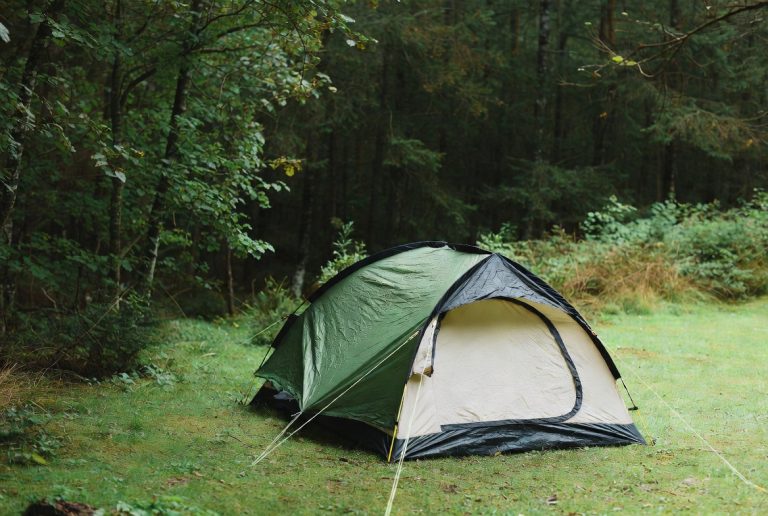
Normal tents, on the other hand, are the traditional design you probably picture when someone mentions camping. They require you to assemble poles, thread them through sleeves, clip them into corners, and generally piece everything together like a puzzle. It takes effort, patience, and honestly, a little bit of cursing if you’re doing it in dim light.
The Setup Time Showdown
Pop-Up Tents: The Speed Champion
Let’s talk about the most obvious advantage of pop-up tents—setup speed. I’m talking about genuine, astonishing speed. You can have a pop-up tent ready to go in literally 30 seconds to two minutes. There’s no assembly required, no fumbling with poles, no wondering if you’ve got the configuration right.
This matters more than you might think. Imagine pulling into your campsite just as storm clouds roll in, or arriving at a music festival as the sun dips below the horizon. A pop-up tent becomes your hero in these situations. You’re not standing there in the gathering darkness, stressing about whether your poles slot together correctly.
Normal Tents: A Labor of Love
Setting up a traditional tent typically takes anywhere from 10 to 30 minutes, depending on the design and your experience level. First time? Add another 10 minutes for reading instructions and figuring out which pole goes where.
But here’s the thing—this isn’t necessarily a drawback if you’re not in a rush. Some people actually find the setup process meditative. There’s something satisfying about constructing your shelter with your own hands, threading poles with intention, and watching the final structure take shape. It’s tactile and real.
Storage and Portability: The Hidden Challenge
The Bulk Question That Pop-Up Tents Don’t Address
Now we arrive at the elephant in the room—or rather, the bulky package in your car trunk. Pop-up tents are deceptively bulky. That mechanical frame system that gives them their superpower requires a lot of space when packed down.
Most pop-up tents come in round or rectangular carrying bags that are quite thick. They’re awkward to store, difficult to fit into backpacks, and they don’t compress well. If you’re planning a hiking trip where every ounce counts, a pop-up tent becomes a liability rather than an asset.
Normal Tents: The Packing Puzzle Champion
Traditional tents are generally more compact when stored. Since they don’t rely on a pre-bent frame, they can be rolled, folded, or stuffed into much tighter spaces. Many normal tents compress down to a small bag that fits easily into a backpack or travel case.
This matters tremendously if you’re hiking to remote locations or traveling by public transport. A lightweight, compact normal tent transforms from a luxury into a necessity.
Durability and Longevity Considerations
Pop-Up Tents and Their Mechanical Vulnerabilities
Here’s where the conversation gets interesting. Pop-up tents rely on their frame system to maintain their shape. This frame—usually made from fiberglass or metal—is under constant tension. Over time, this tension can weaken the material.
I’ve watched pop-up tents that worked flawlessly for two years suddenly become temperamental. The frame loses its snap, the fabric stretches, or the connections loosen. It’s not that they fail catastrophically, but rather they degrade gradually until they’re no longer reliably pop-up anymore.
Additionally, if something breaks on that frame system, repair can be complicated. You might be dealing with custom parts or needing professional service.
Normal Tents: Built to Last
Traditional tents have been refined over decades. They’re simpler mechanically, which means fewer things can go wrong. If a pole breaks, you can often replace just that pole. If the fabric tears, you can patch it. They’re repairable.
Many well-maintained normal tents last 10, 15, or even 20 years. They’re workhorses that improve with use, developing a character that reflects their history.
Weather Performance: Which Tent Stands Strong?
Wind Resistance
Pop-up tents have a unique relationship with wind. Their rounded or dome shapes sometimes handle wind better than you’d expect, but their rigid frame system doesn’t flex and adapt like traditional pole tents can. In moderate wind, they’re usually fine. In serious wind, that inflexible frame can become a disadvantage.
Normal tents, particularly those with good pole designs, actually flex and move with the wind. This flexibility helps them shed wind pressure. Modern dome tents have evolved specifically to handle high wind situations.
Rain and Water Management
Both tent types can be equally waterproof if they’re built with quality materials. What matters more is the tent’s pitch angle, its drainage system, and whether the fabric coating is maintained properly.
Pop-up tents often have slightly steeper angles that naturally shed water quickly. Normal tents can be designed with equally effective water management, though some budget models might not handle heavy rain as effectively.
Snow Load Capability
If you’re planning winter camping or mountaineering in snowy conditions, traditional tents are generally superior. Their pole systems are designed to handle additional weight and stress. Pop-up tents aren’t typically rated for heavy snow loads.
Cost Comparison: What’s Your Budget Actually Buying?
Pop-up tents tend to be more expensive upfront. You’re paying for the engineering, the special materials, and the manufacturing complexity. A decent pop-up tent for two people can run you anywhere from $80 to $300 or more.
Traditional tents offer more options across the price spectrum. You can find quality two-person normal tents for $50 to $150, making them generally more affordable. However, premium traditional tents can cost just as much as pop-ups.
Here’s what matters: when you factor in durability and the longer lifespan of many traditional tents, the initial cost difference often evens out over time.
Ventilation and Interior Comfort
Pop-Up Tent Interior Climate
Pop-up tents often have limited ventilation options. Their compact design and sealed frame system can create a slightly more humid environment. This isn’t disastrous—quality pop-up tents include ventilation panels—but it requires more attention during humid conditions.
Normal Tent Ventilation Advantages
Traditional tents typically offer more ventilation customization. You can adjust flaps, open windows in specific ways, and create airflow patterns through your choices about which stakes to use and how to position things.
For hot, humid climates, this flexibility is valuable. For cold conditions, you want the opposite—minimal airflow to retain warmth—and traditional tents handle this well too through selective ventilation closure.
Who Should Choose Pop-Up Tents?
Pop-up tents make perfect sense for specific situations and specific people. If you’re a casual camper who camps maybe once or twice a year at established campgrounds, a pop-up tent could be your ideal match. The speed and simplicity are genuinely appealing.
Families with young children often find pop-up tents easier to manage. Kids find the instant setup magical, and parents appreciate not wrestling with poles while managing energetic children.
Festival goers and event campers love pop-ups. If you’re attending a weekend event where rapid setup and breakdown matter more than anything else, a pop-up tent shines.
Car campers who aren’t concerned about trunk space often prefer pop-ups. The bulk doesn’t matter when you’re parking next to your campsite.
Who Should Choose Normal Tents?
Backpackers and hikers need traditional tents. Weight and packability aren’t just preferences—they’re essential requirements when you’re carrying everything on your back.
Serious campers who camp frequently benefit from traditional tents. The better durability and repairability mean your investment lasts longer and performs better across varying conditions.
Mountain campers and adventurers in challenging environments should choose traditional tents. Their reliability in extreme weather and ability to handle snow loads matters when you’re far from civilization.
Budget-conscious campers often find better value in traditional tents, particularly in the lower price ranges where quality options exist.
The Hybrid Approach: Could You Use Both?
Here’s a perspective many people overlook: you don’t necessarily have to choose just one. Some dedicated campers own both types for different purposes.
- A pop-up tent for quick weekend trips to nearby campgrounds
- A lightweight traditional tent for backpacking adventures
- A larger traditional tent for extended family camping trips
This approach takes advantage of each tent’s strengths while avoiding their respective limitations.
Real-World Performance: Stories from the Field
I once watched a pop-up tent save the day at a music festival. A couple arrived late on a rainy evening, and while everyone else was fumbling with tent poles and instructions in the darkness, they had their shelter up in two minutes. By the time other tents were ready, they were already inside and warm.
On the flip side, I’ve also watched a traditional tent perform magnificently in conditions that would have challenged a pop-up. A friend’s dome tent weathered a genuine mountain storm—wind gusts exceeding 40 mph, sideways rain—and emerged with flying colors. That tent’s flexibility and proven design handled forces that would have tested a rigid-frame system.
Environmental and Ethical Considerations
Traditional tents, particularly those made by companies with ethical manufacturing practices, often represent a more sustainable choice. They last longer, they’re repairable, and they’re less likely to end up in landfills quickly.
Pop-up tents, while innovative, occasionally become waste when their frame systems fail and repair isn’t economically viable. The manufacturing process is also more complex, requiring more resources.
If environmental impact influences your purchasing decisions, traditional tents often align better with sustainability values.
The Verdict: Is Convenience Actually Worth the Bulk?
This is the question that started our entire conversation, and the answer genuinely depends on your specific situation.
Pop-up tent convenience is absolutely worth the bulk if you’re a car camper, casual user, or someone for whom rapid setup is genuinely important. The time savings are real, and for your use case, the bulk doesn’t matter.
For backpackers, frequent campers, or anyone concerned about durability and longevity, a traditional tent offers better overall value and performance despite requiring more setup time.
The convenience of a pop-up tent isn’t fake—it’s genuine and significant. But convenience isn’t the only metric that matters. Weight, packability, durability, cost over time, and suitability for your actual camping style all deserve consideration.
Conclusion
Choosing between a pop-up tent and a normal tent isn’t about finding an objectively superior option. It’s about matching the tent type to your camping reality.
Pop-up tents deliver genuine convenience with remarkable setup speed, making them ideal for casual campers and car-based camping adventures. They’re the smartphone of the tent world—intuitive and quick.
Traditional tents offer versatility, durability, and better value over time, particularly for serious campers and adventurers. They’re the reliable workhorses that reward investment with years of dependable service.
Consider your camping frequency, the type of camping you actually do, where you’ll store your tent, what weather conditions you’ll face, and how long you want your tent to last. These factors matter more than which tent is technically “better.”
Neither tent is a mistake. Each excels in different contexts. Your job is simply recognizing which context matches your life, then choosing accordingly. Happy camping, whatever tent you select.
Frequently Asked Questions
Are pop-up tents good for actual camping or just casual trips?
Pop-up tents work fine for actual camping trips, particularly if you’re camping at established campgrounds where weather is relatively mild. However, they’re not ideal for backcountry camping, mountaineering, or situations requiring extreme weather resistance. They excel for casual, short-term camping where convenient setup matters more than advanced durability features.
How long do pop-up tents typically last before they stop popping up?
Quality pop-up tents generally last 3 to 7 years of regular use before the frame system loses its reliable pop-up response. Some well-maintained pop-ups last longer, while cheaper models might start showing degradation within 2 years. Traditional tents typically outlast pop-ups by several years when properly maintained.
Can you repair a pop-up tent if the frame breaks?
Repairing a pop-up tent frame is possible but often complicated and expensive. The frame system is proprietary, so replacement parts might require contacting the manufacturer. Fabric damage can be patched like any tent, but frame issues frequently result in the tent being replaced rather than repaired.
What’s the weight difference between pop-up and traditional tents?
Traditional tents are typically lighter for the same capacity. A two-person traditional tent might weigh 3 to 4 pounds, while a comparable pop-up tent often weighs 5 to 7 pounds due to the heavier frame system. This weight difference becomes significant for backpackers carrying tents long distances.
Are pop-up tents more waterproof than traditional tents?
Waterproofing depends on materials and construction, not tent type. Both pop-up and traditional tents can be equally waterproof if they use quality fabric coatings and proper design. Some high-end pop-ups are excellent in rain, and some budget traditional tents aren’t. Material quality matters more than tent style.
“`
![7 Best Budget Lightweight Tent [2026]](https://leonardhomeoutdoor.com/wp-content/uploads/2026/08/7-best-budget-lightweight-tent-2026-featured-768x432.jpg)