
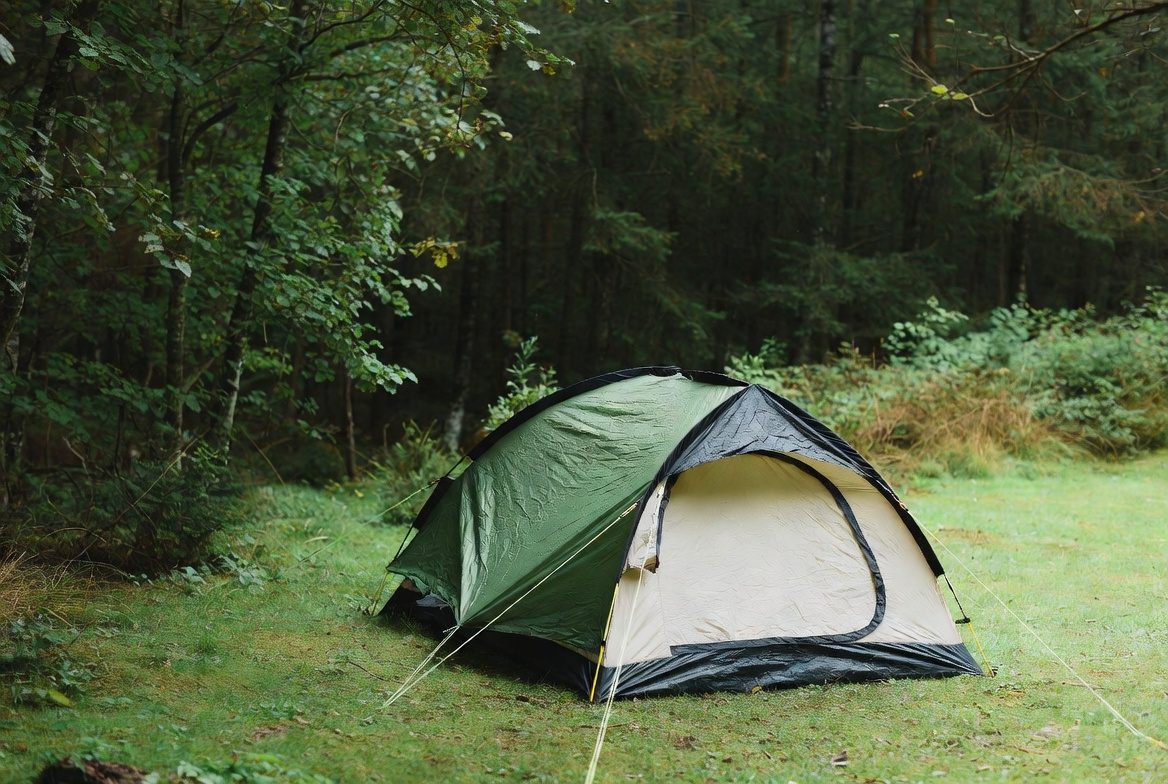
Pop Up Tent vs Frame Tent: Which Style Offers Better Protection?
When you’re planning your next camping adventure or outdoor event, one of the biggest decisions you’ll face is choosing between a pop-up tent and a frame tent. I know this might seem like a simple choice, but let me tell you—it’s actually more nuanced than most people realize. Both options have their strengths and weaknesses, and understanding them can save you time, money, and frustration down the road.
In this comprehensive guide, I’m going to walk you through everything you need to know about these two tent styles. By the end, you’ll have a clear picture of which one actually offers better protection for your specific needs. Let’s dive in.
Article Outline
- Understanding Pop-Up Tents: What They Are and How They Work
- Exploring Frame Tents: The Basics and Beyond
- Weather Protection: Pop-Up vs Frame
- Durability and Longevity Comparison
- Ease of Setup and Convenience
- Size and Capacity Considerations
- Ventilation and Interior Comfort
- Cost Analysis: What Will You Actually Spend?
- Storage and Portability
- Wind Resistance and Stability
- Maintenance and Care Requirements
- Real-World Use Cases and Scenarios
- Making Your Final Decision
- Conclusion
- Frequently Asked Questions
Understanding Pop-Up Tents: What They Are and How They Work
Let me start by explaining what a pop-up tent actually is. A pop-up tent is essentially a tent that springs into shape on its own—kind of like a jack-in-the-box, except it stays put once you release it. These tents use flexible fiberglass or metal poles that are pre-bent and connected with elastic cords. When you pull the tent out of its carrying bag, these poles snap into their three-dimensional shape automatically.
The Mechanics Behind Pop-Up Tents
The genius of a pop-up tent lies in its engineering. The poles aren’t connected in a traditional sense—instead, they’re held in tension by the elastic material that runs through them. This tension keeps everything compressed in the bag, and when you release it, the poles want to return to their natural curved shape. The tent fabric is already attached to these poles, so as soon as they expand, you essentially have a functional tent.
Most pop-up tents come in either a dome or tunnel design. The dome design is more symmetrical and offers better wind resistance from multiple angles. The tunnel design, on the other hand, tends to be roomier but requires you to position it correctly relative to the wind.
Typical Sizes and Capacities
Pop-up tents typically range from small two-person models to larger four or six-person options. However—and this is important—the capacity numbers on pop-up tents are often optimistic. A tent rated for four people might feel quite cozy for two people who actually want comfort and storage space.
Exploring Frame Tents: The Basics and Beyond
Now let’s talk about frame tents, which operate on a completely different principle. A frame tent, sometimes called a bell tent or glamping tent, uses a rigid frame structure made of aluminum or steel poles that are assembled separately. The fabric is then draped over this frame, rather than being integrated into the pole structure.
How Frame Tent Construction Works
Think of a frame tent like building a house—you first construct the skeleton (the frame), and then you hang the walls (the fabric). This modular approach means that frame tents can be configured in various ways. The frame typically consists of vertical posts connected by horizontal beams at the top. The tent fabric is then secured to this frame using ropes, clips, or velcro.
This construction method offers several advantages right off the bat. Because the frame is rigid and external, the interior space is maximized—there are no bent poles taking up room inside. Additionally, the separation of frame and fabric means you can potentially replace one component without discarding the entire tent.
Available Sizes and Configurations
Frame tents come in a huge range of sizes, from intimate twenty-by-twenty configurations suitable for small gatherings to massive structures that can cover thousands of square feet. This scalability is one reason why frame tents are so popular for events like weddings, festivals, and outdoor markets.
Weather Protection: Pop-Up vs Frame—The Critical Comparison
Here’s where things get really interesting. When we talk about protection, we’re looking at three main weather challenges: rain, wind, and sun exposure. Let me break down how each tent type handles these.
Rain Protection Capabilities
Both tent types can provide excellent rain protection if they’re made with quality materials and properly maintained. Pop-up tents typically use a single-layer fabric with a waterproof coating on the exterior. This simplicity means there are fewer seams and joints where water can potentially leak through.
Frame tents, meanwhile, often feature a more substantial fabric that’s specifically engineered for outdoor conditions. The larger surface area of frame tents means they typically have a higher overall capacity to shed water, but this also means more seams and connection points where problems could develop.
Here’s my honest assessment: if both tents are well-maintained and have quality fabrics, they’ll both keep you dry in moderate rain. However, in heavy downpours, frame tents have a slight advantage because their rigid structure means water won’t pool on the roof as easily.
Wind Resistance and Structural Stability
This is where frame tents really shine. The rigid frame structure provides exceptional wind resistance. When a strong gust hits a frame tent, the wind force is distributed throughout the entire frame structure, and the frame doesn’t move or flex significantly. This stability is unmatched.
Pop-up tents, while reasonably stable under normal conditions, can flex and move in strong winds. This movement isn’t necessarily a problem—the fabric actually helps absorb wind force—but in extreme conditions, a pop-up tent might lose its integrity more easily than a frame tent.
If you live in a windy area or plan to camp in mountainous regions, a frame tent is genuinely the better choice for security and peace of mind.
Sun Protection and UV Exposure
Both tent types can offer UV protection through their fabrics. Many modern camping tents include UV-protective coatings. Frame tents designed for event use often come with heavy-duty fabrics that offer superior UV protection, which is important if you’re going to be outdoors for extended periods.
One advantage of frame tents is that their typically heavier fabric naturally provides better UV protection than the lighter materials often found on pop-up tents.
Durability and Longevity Comparison
Let’s talk about how long these tents actually last with proper care. This is crucial because tents represent a real investment.
Material Quality and Construction Methods
Frame tents are generally built with more robust materials. The fabrics used for frame tents are typically thicker and more durable than those found on pop-up tents. Additionally, because the frame and fabric are separate components, wear on one part doesn’t necessarily compromise the entire structure.
Pop-up tents, while capable of lasting many years, tend to have lighter materials that don’t withstand extended use as well. The elastic cord system inside the poles can also degrade over time, potentially affecting the tent’s ability to pop up properly.
Component Replacability
Here’s a significant advantage of frame tents: you can often replace individual components. If the fabric gets damaged, you might be able to purchase replacement fabric. If a pole breaks, you can replace just that pole. This modularity extends the lifespan of the tent considerably.
Pop-up tents don’t offer this flexibility. If a pole cracks or the elastic cord deteriorates, you’re looking at replacing the entire tent or undertaking complex repairs that might not be worth the effort.
Expected Lifespan Under Normal Use
A quality pop-up tent, with reasonable care, might last five to eight years of regular use. Frame tents, on the other hand, can easily last ten to twenty years or more. This longevity actually makes frame tents better value despite their higher initial cost.
Ease of Setup and Convenience
Let me be honest—pop-up tents win this round by a landslide. There’s no competition here.
Pop-Up Tent Setup Process
Setting up a pop-up tent is genuinely effortless. You literally just pull it out of the bag and let it snap into shape. Seriously. The entire process takes seconds. You might need to stake it down and adjust a few things, but the actual assembly is instantaneous.
This convenience factor is why pop-up tents are so popular for casual camping, beach trips, and situations where you need shelter quickly.
Frame Tent Setup Requirements
Frame tents require significantly more setup effort. You need to assemble the frame, position it correctly, attach the fabric, secure the ropes or guy lines, and ensure everything is properly tensioned. For a small frame tent, this might take thirty minutes to an hour. For larger configurations, you could be looking at several hours of setup time.
That said, once you’ve set up a frame tent a few times, you become more efficient. Many people who regularly use frame tents actually appreciate the process because it gives them an opportunity to understand their setup and make minor adjustments based on conditions.
Size and Capacity Considerations
When you’re choosing between these tent types, size matters significantly.
Internal Space and Headroom
Frame tents offer substantially more usable internal space compared to pop-up tents of similar footprint size. Remember how I mentioned that frame tents have rigid external frames? Well, that means every square inch inside the tent is usable space. There are no bent poles creating dead zones along the edges.
Pop-up tents, with their curved poles, have reduced usable space along the edges because you can’t comfortably use the space directly under the curved sections.
Standing Height and Comfort
Most frame tents can be configured with sufficient standing height—often five feet or more. Pop-up tents, particularly dome-style ones, typically max out around four to four-point-five feet of headroom. If you’re tall or you want to be able to move around comfortably, this difference matters.
Scalability and Expandability
Here’s something interesting about frame tents: they’re easily expandable. You can connect multiple frame tent sections together to create larger covered areas. Pop-up tents don’t offer this flexibility—you’re limited to whatever size you purchase.
Ventilation and Interior Comfort
Comfort while sheltering inside is important, especially if you’re spending extended time in the tent.
Airflow and Condensation Management
Pop-up tents typically have limited ventilation options. Most have one or two small windows, and their compact design means air circulation can be restricted. This can lead to condensation buildup, particularly in cool, damp conditions.
Frame tents, especially larger ones, naturally have better air circulation. The space between the frame and fabric allows air to flow, and you can often adjust the fabric panels to increase or decrease ventilation as needed.
Temperature Regulation
In hot weather, the lightweight materials of pop-up tents can actually be an advantage because they don’t trap as much heat. However, the limited ventilation can work against you. Frame tents, with their more substantial fabrics, retain heat better, which is useful in cool weather but less ideal in extreme heat.
Cost Analysis: What Will You Actually Spend?
Let’s talk about the financial side of this decision because that absolutely matters.
Initial Purchase Price
Pop-up tents are significantly cheaper upfront. A quality two-person pop-up tent might cost thirty to eighty dollars. Even larger four-person models typically run less than two hundred dollars.
Frame tents have higher initial costs. A basic frame tent structure starts around several hundred dollars and can easily exceed thousands for larger models or premium designs.
Long-Term Value Assessment
Here’s where the financial picture changes. Because frame tents last two to three times longer than pop-up tents, your cost per year of use is actually lower. If a frame tent costs one thousand dollars and lasts fifteen years, that’s roughly sixty-seven dollars per year. A pop-up tent costing one hundred dollars that lasts five years is twenty dollars per year—but you need to buy three of them.
From a long-term value perspective, frame tents are more economical if you’re a serious camper or frequent outdoor user.
Additional Costs and Maintenance Expenses
Pop-up tents are relatively low-maintenance, but they also have fewer upgrade or repair options. Frame tents might require periodic fabric treatment or component replacement, but these investments extend the tent’s life significantly.
Storage and Portability
This is another category where pop-up tents have a clear advantage.
Packed Size and Weight
Pop-up tents compress into relatively compact bags, often just two to three feet in diameter. Most pop-up tents weigh between five and fifteen pounds depending on size, making them easy to throw in a car or backpack.
Frame tents, even small ones, pack into larger bundles because you have all the individual frame components. A basic frame tent might weigh thirty to fifty pounds when packed, and take up significantly more space. Large frame tents can weigh hundreds of pounds.
Transportation Considerations
If you’re hiking into a remote camping location, a pop-up tent is vastly more practical. You can carry it on your back without significant burden. Frame tents really require vehicle transport and typically need multiple people to handle.
However, if you’re car camping or setting up semi-permanently at an event or glamping location, the portability advantage of pop-up tents becomes less relevant.
Wind Resistance and Structural Stability
Let me expand on this crucial factor because it directly impacts your safety and comfort.
Gusting Wind Performance
Pop-up tents perform reasonably well in moderate winds, typically up to twenty to thirty mile-per-hour gusts. However, the structure can start to flex and move noticeably, which some people find unsettling. The fabric can flap loudly, which might disturb your sleep.
Frame tents remain incredibly stable in winds exceeding forty miles per hour. The rigid structure means minimal movement, and the fabric doesn’t flutter significantly. This stability is genuinely one of the biggest advantages of frame tents.
Anchoring and Staking Requirements
Both tent types benefit from proper anchoring, but frame tents are more forgiving if conditions are less than ideal. A pop-up tent really needs to be staked down securely in windy conditions. A frame tent, with its heavy rigid structure, can remain stable even without perfect anchoring, though you should still secure it properly.
Extreme Weather Performance
In truly extreme conditions—storms with winds exceeding fifty miles per hour or heavy snow loads—frame tents are substantially more reliable. The rigid structure can handle snow loads better, and the overall design is simply more robust.

![7 Best Bivy Tents [2026]](https://leonardhomeoutdoor.com/wp-content/uploads/2026/08/7-best-bivy-tents-2026-featured-768x432.jpg)


![7 Best Heavy Duty Tent Stakes [2026]](https://leonardhomeoutdoor.com/wp-content/uploads/2026/08/7-best-heavy-duty-tent-stakes-2026-featured-768x432.jpg)
![7 Best Backpacking Tents 2024 [2026]](https://leonardhomeoutdoor.com/wp-content/uploads/2026/08/7-best-backpacking-tents-2024-2026-featured-768x432.jpg)