
How Long Are Houses Tented for Termites?
Wondering how long your home will be tented for termites? Typically, a house is tented for termites for about 2 to 4 days. This fumigation process aims to eliminate termites effectively. The goal is to reach all infested areas. Understanding this timeframe helps you plan for the disruption.
The duration can depend on several factors. These include the size of your home and the severity of the infestation. Environmental conditions also play a role. Professionals need the right weather to ensure the treatment is safe and effective. They will carefully monitor the process.
- Houses are usually tented for 2-4 days.
- This timeframe ensures effective termite eradication.
- Home size and infestation level affect tenting duration.
- Weather conditions are also a key factor.
Let’s walk through what to expect during and after the termite tenting process.
Understanding Your Termite Tenting Timeline
So, you’ve discovered termites, and the next step is tenting your home. It’s natural to wonder how long this whole process will take. Generally, you can expect your house to be under a tent for termites for about two to four days. This might seem short, but it’s the critical window for the fumigant to do its work. This timeframe is designed to effectively reach every nook and cranny, eliminating those unwelcome guests.
The exact duration isn’t set in stone. It depends on a few key factors that pest control professionals carefully consider. Think of it like planning a trip; the destination is the same, but the travel time can vary. We’ll break down what influences this timeline so you know exactly what to prepare for.
Factors That Influence Tenting Duration
Home Size Matters
Larger homes naturally require more time to fumigate thoroughly. The pest control team needs to ensure the gas can penetrate all areas of a bigger structure. Imagine trying to fill a large room with a scent versus a small closet; it takes longer for the scent to spread evenly. So, if you have a sprawling estate, expect the tenting period to lean towards the longer end of the 2-4 day spectrum.
Severity of the Infestation
A minor termite problem might be manageable with a slightly shorter fumigation. However, a widespread infestation, where termites have established colonies in multiple parts of your home, will necessitate the full tenting period. Experts need to ensure the fumigant reaches all these active sites. They will assess the extent of the damage. This helps them decide the optimal treatment duration.
Structural Complexity and Layout
The design of your home can also play a role. Homes with many small rooms, numerous access points, or complex layouts might take a bit longer to treat effectively. The fumigant needs to circulate freely to reach every void. Open-concept homes might allow for quicker gas dispersion. However, pest control technicians are skilled at adapting their methods.
The Role of Weather in Fumigation
Temperature Considerations
Weather is a big player in termite tenting. Temperature is especially important. The fumigant gas needs to remain within a specific temperature range to be effective. If it’s too cold, the gas might not vaporize properly. This can hinder its ability to kill termites. If it’s too hot, the gas can dissipate too quickly. Many guidelines suggest an ideal temperature range. For example, the fumigant should ideally be between 70°F and 90°F for optimal results (University of California Agriculture and Natural Resources).
Wind and Rain: The Unpredictables
High winds are a problem for tenting. Strong winds can damage the tent itself. They can also cause the fumigant gas to disperse too rapidly. Rain is another concern. Water can prevent the tent from sealing properly. It can also interfere with the gas concentration needed for effective pest eradication. Pest control companies will monitor weather forecasts closely. They will reschedule if conditions are not favorable. Safety and effectiveness are their top priorities.
What Happens During the Tenting Period?
Sealing Your Home
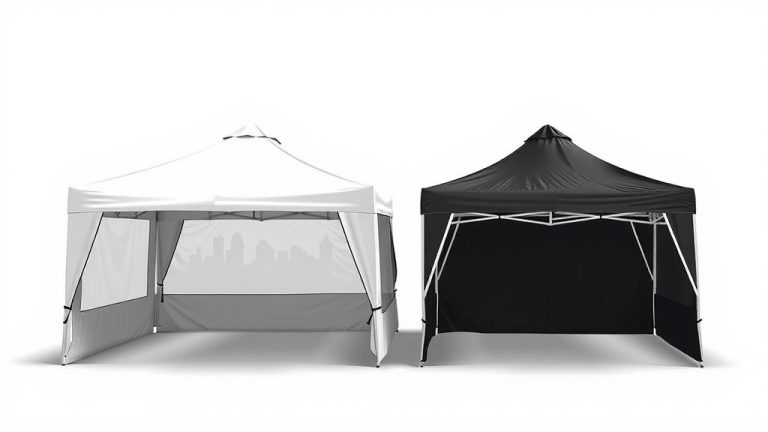
Once the pest control team arrives, they will begin by carefully covering your entire house with large tarps or tents. These tents are secured to the foundation. They create a sealed environment. All doors and windows are locked from the outside. Any items that need protection, like plants or food, will be removed or covered. You’ll receive strict instructions on what to remove. This is a critical step for safety.
Gas Application and Monitoring
After the home is tented, the fumigant gas is introduced into the sealed structure. This gas penetrates all parts of your home. It reaches the termites hiding in walls, furniture, and wood structures. The pest control professionals will monitor the gas concentration. They ensure it stays within the effective range for the required duration. They have specialized equipment for this. The tent remains in place for the entire 2-4 day period.
Post-Tenting Procedures: Safely Returning Home
Aeration is Key
Once the fumigation is complete, the tents are removed. This is the start of the aeration process. The goal is to air out your home completely. This removes any residual fumigant gas. This step is extremely important for your family’s safety. Pest control technicians will use special equipment to measure the air quality. They will confirm that the gas levels are safe for re-entry. This usually takes several hours. You cannot enter your home until this clearance is given.
Re-entry Checklist
Before you can fully move back in, there are a few things to do. These help ensure your home is ready after fumigation:
- Allow the technicians to give the all-clear: Never re-enter before they confirm it’s safe.
- Open windows and doors: Even after aeration, opening windows helps dissipate any lingering odors.
- Wipe down surfaces: Food preparation areas and frequently touched surfaces can be wiped down with a mild detergent and water.
- Air out bedding and clothing: Items that were left inside might have a slight odor. Airing them out will help.
- Check for any damage: While rare, inspect your home for any accidental damage caused during the tenting process.
Your pest control professional will provide a detailed checklist. Following these steps ensures a smooth and safe return to your termite-free home. They are there to guide you through the whole process.
Conclusion
You now understand that termite tenting typically lasts between 2 to 4 days. This period is essential for the fumigant to effectively reach and eliminate termites throughout your home. Remember that factors like your home’s size, the infestation’s severity, and weather conditions can influence the exact duration. Proper preparation and understanding the post-tenting aeration process are key to safely returning to your home. If you suspect termites, your next best step is to contact a qualified pest control professional for an inspection and treatment plan.
Frequently Asked Questions
Can I stay in my home while it’s tented for termites?
No, you absolutely cannot stay in your home during termite tenting. The fumigant gas used is highly toxic. All occupants, including pets and plants, must be removed for safety. Your pest control company will provide a strict timeline for evacuation and re-entry.
What happens if it rains during the tenting process?
Rain can interfere with the effectiveness and safety of termite tenting. If rain is forecast, your pest control company will likely reschedule the fumigation. They need dry conditions to ensure the tent seals properly and the gas doesn’t dissipate too quickly.
How long after tenting is it safe to return home?
It’s safe to return home only after the pest control technicians have completed the aeration process. They use specialized equipment to test the air quality. You will receive official clearance before re-entry is permitted. This ensures all toxic gas levels are well below safety thresholds.
Will the termite treatment harm my belongings?
Generally, the fumigant gas is designed to target termites and will not harm most household items. However, it’s recommended to remove or cover certain items like food, medications, and houseplants. Your pest control provider will give you a specific list of items to secure or remove before tenting.
How do I know if the termite tenting was successful?
A successful tenting usually means you won’t see signs of termite activity for a considerable time. Your pest control company may offer a warranty on their work. If you notice new damage or activity after the treatment, contact your provider immediately to discuss next steps.
![7 Best Family Camping Tents 2025 [2026]](https://leonardhomeoutdoor.com/wp-content/uploads/2026/08/7-best-family-camping-tents-2025-2026-featured-768x432.jpg)

![7 Best Affordable Backpacking Tents [2026]](https://leonardhomeoutdoor.com/wp-content/uploads/2026/08/7-best-affordable-backpacking-tents-2026-featured-768x432.jpg)

![7 Best Backpacking Tent For The Money [2026]](https://leonardhomeoutdoor.com/wp-content/uploads/2026/06/7-best-backpacking-tent-for-the-money-2026-featured-768x432.jpg)