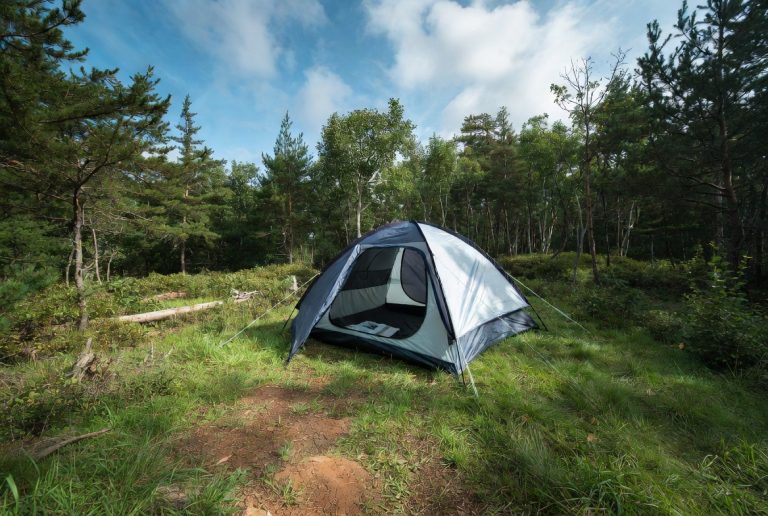

How Long Can You Leave a Wet Tent?
Leaving a wet tent packed away for too long can really damage it, but you don’t have to panic! Most experts suggest you should dry your tent within 24 to 48 hours of packing it up wet to prevent mold and mildew from growing. While a brief period might be okay in a pinch, extended storage of a damp tent is a recipe for disaster for its waterproof coatings and fabric.
Think of your tent as a piece of gear you’d treat with care. Just like leaving wet clothes in a gym bag, moisture trapped inside your tent’s nylon or polyester materials can lead to nasty odors and weaken its structure. Prolonged dampness can also affect zippers and seams, making them prone to rust and decay, so quick drying is key to its longevity.
- The biggest danger of a wet tent is mold and mildew growth.
- It’s best to dry your tent within 24-48 hours of packing it wet.
- Mold can damage the fabric and waterproof coatings.
- This can lead to leaks and a shorter lifespan for your tent.
- Proper drying ensures your tent stays in great shape for future adventures.
So, what’s the best way to handle a soggy situation without ruining your shelter? Let’s dive into the details on how to get your tent dry and ready for its next outing.
What Happens If You Pack a Wet Tent?
Leaving your tent damp after a trip is a common mistake, but it can lead to some serious problems. The primary concern is the rapid growth of **mold and mildew**. These fungi thrive in dark, moist environments, and your tent is the perfect breeding ground. They don’t just smell bad; they can actually eat away at the fabric and its protective coatings.
Research shows that prolonged exposure to moisture can compromise the **waterproof membranes** and seam tapes in tents. This means your tent might start to leak even if it never did before. It’s a gradual process, but ignoring a wet tent speeds up its decline. Think of it like leaving a damp towel in your gym bag for days – eventually, it gets ruined.
The Mold and Mildew Menace
Mold and mildew are the silent destroyers of camping gear. They appear as fuzzy patches, often greenish, black, or white. Not only do they create an unpleasant odor that’s hard to get rid of, but they can also weaken the tent’s material over time. Some experts note that certain types of mold can even degrade the polyurethane coatings that make your tent waterproof.
If you notice these unwelcome guests, it’s a clear sign your tent has been wet for too long. The longer the mold and mildew sit, the deeper they penetrate the fabric fibers. This makes them incredibly difficult to remove completely. And once the fabric is damaged, its ability to keep you dry is compromised.
Damage to Waterproof Coatings and Seams
Modern tents rely on special coatings, often polyurethane (PU) or silicone, to keep water out. When a tent stays wet, these coatings can break down. This process is sometimes called “hydrolysis,” and it’s accelerated by moisture and warmth. As the coating degrades, it can become sticky, peel off, or simply lose its water-repellent properties.
The seams of your tent are also vulnerable. They are usually sealed with waterproof tape or a special seam-sealing compound. Moisture can cause this tape to peel away or the sealant to break down, creating tiny entry points for water. Zippers can also be affected, with metal parts potentially rusting and fabric components becoming stiff or prone to tearing.
The 24-48 Hour Rule: Your Drying Timeline
So, what’s the magic window for drying your tent? Many outdoor gear specialists and manufacturers recommend drying your tent thoroughly within **24 to 48 hours** of packing it up while it was still wet. This timeframe is generally sufficient to prevent significant mold and mildew growth and to stop the degradation process before it really takes hold.
Why this specific window? It comes down to the biology of mold and mildew. These organisms need time to establish themselves. Within 24 to 48 hours, they typically haven’t had enough time to cause irreversible damage. It’s a critical period for preserving the integrity of your tent’s materials and waterproof features.
When Is It Okay to Pack a Slightly Damp Tent?
Life happens, and sometimes you just have to pack up your tent in less-than-ideal conditions. If you’re heading out on a multi-day backpacking trip and get caught in a morning shower, you might have no choice but to pack your tent away damp. In these situations, the key is **speedy drying as soon as possible**. Your goal is to minimize the time the moisture spends trapped inside.
For instance, if you wake up to a dewy tent and have a long hike ahead, you can try to shake off as much moisture as possible. Then, when you set up camp for the night, you can air it out. Even a few hours of drying in the sun or wind can make a huge difference compared to leaving it packed for days. The longer it sits wet, the greater the risk.
What If You Exceed the 48-Hour Mark?
If you realize you’ve accidentally left your tent packed away wet for longer than 48 hours, don’t despair entirely. It’s not an automatic death sentence for your tent. However, you should proceed with caution and inspect it thoroughly. You’ll want to act quickly to mitigate any potential damage that may have occurred.
The first step is to unpack it immediately and set it up in a well-ventilated area, preferably outdoors. Let it air dry completely, ideally in direct sunlight. Once it’s fully dry, inspect it closely for any signs of mold, mildew, or changes in the fabric’s texture. Pay close attention to the seams and the waterproof coating.
Best Practices for Drying Your Tent
Getting your tent dry properly is essential for its lifespan. It’s not just about preventing damage; it’s about ensuring it’s ready for your next adventure. Here’s how to do it right.
At Home: The Ideal Drying Scenario
The best place to dry your tent is at home, where you have control over the environment. Find a space where you can fully set up your tent, even if it’s just the tent body without the rainfly. A garage, a large living room, or even your backyard on a dry day works wonders. The goal is to allow air to circulate freely around all parts of the tent.
You can also try draping the tent over furniture or a clothesline. Ensure that no part of the fabric is compressed or folded tightly, as this traps moisture. Let it air out until you are absolutely certain it is bone dry. This might take several hours, or even a full day, depending on humidity levels.
On the Trail: Quick Drying Techniques
When you’re still on your trip, you need to get creative. If your tent is just slightly damp from morning dew or a brief shower, shake it out vigorously. Open all the doors and windows to let any trapped moisture escape. If the sun is out, lay the tent out flat for a few hours while you take a break or do other activities.
If you have a rainfly, try to dry it separately from the tent body. This can speed up the process. Some campers even use microfiber towels to wipe down particularly wet areas, absorbing some of the excess moisture. The key is to maximize air exposure for every surface of the tent.
What About the Rainfly and Footprint?
Don’t forget about the other components of your tent system! The rainfly and footprint can also get wet and need proper drying. The rainfly, being the outer layer, often bears the brunt of the rain. Ensure it’s dried just as thoroughly as the tent body.
The footprint, which sits under your tent, can collect ground moisture and condensation. It’s crucial to dry this piece as well, as mold can start here too. If you have a separate tent storage bag, make sure it’s also dry before storing anything inside.
Using a Fan for Faster Drying
If you’re drying your tent indoors and want to speed things up, a simple household fan can be incredibly effective. Position the fan to blow air directly onto the tent fabric. This creates airflow, which helps evaporate moisture more quickly. It’s especially useful in humid conditions where natural drying might take a very long time.
You can set up the fan in front of an open tent door or window. If you have multiple fans, you can use them to create a cross-breeze. Just ensure the tent is fully set up so that air can reach all the internal surfaces. This method is safe for most tent materials and is a great way to ensure thorough dryness.
Signs Your Tent Has Been Stored Wet
Sometimes, you might not realize your tent has been stored damp until you pull it out for your next trip. Keep an eye out for these tell-tale signs:
- A persistent musty or mildewy odor.
- Visible fuzzy spots of mold or mildew on the fabric.
- The tent fabric feels sticky or tacky to the touch.
- The waterproof coating is peeling or flaking off.
- Seam tapes appear discolored, loose, or are peeling away.
- Metal parts like zippers show signs of rust.
A Quick Checklist for Tent Care After Wet Conditions
Here’s a simple checklist to help you remember the key steps:
- Unpack your tent immediately after returning home.
- Set it up in a well-ventilated area to dry completely.
- Ensure all parts (tent body, rainfly, footprint) are dry.
- Inspect for any signs of mold, mildew, or coating damage.
- Once bone dry, store in a cool, dry place.
Conclusion
You’ve learned that leaving your tent wet is a serious risk to its longevity and performance. The 24-48 hour window is your best defense against mold, mildew, and fabric degradation. Acting quickly to dry your tent, whether you’re home or on the trail, keeps its waterproof coatings intact. By following these drying best practices, you ensure your shelter remains reliable for many adventures to come. So, next time you pack up a damp tent, make drying it your top priority for immediate re-use!
Frequently Asked Questions
What if I discover mold on my tent after storing it wet?
Don’t panic! Unpack your tent immediately and set it up in a well-ventilated spot, ideally outdoors. Gently scrub away any visible mold with a mild soap and water solution, and rinse thoroughly. Ensure it dries completely before storing it again.
Can I use a hairdryer to dry my tent faster?
While a hairdryer can speed up drying for small spots, it’s generally not recommended for the entire tent. The heat can potentially damage the waterproof coatings or fabric over time. A fan provides a safer and more effective way to circulate air.
How do I know if the waterproof coating is damaged?
Look for signs like the fabric feeling sticky or tacky, or if the coating appears to be peeling, flaking, or becoming chalky. If water no longer beads up and instead soaks into the fabric, the coating may be compromised.
Is it better to dry my tent indoors or outdoors?
Outdoors on a sunny, breezy day is ideal for natural drying. If that’s not possible, indoors with good air circulation (like near an open window or with a fan) is the next best option. Avoid drying in direct, intense heat, which can damage materials.
How can I prevent my tent from getting wet in the first place?
Pitch your tent on higher ground to avoid pooling water, and use a footprint to add an extra layer of protection. Ensure your rainfly is properly tensioned and staked out. Always seam-seal your tent’s seams regularly for maximum waterproofing.
![7 Person 4 Season Tent [2026]](https://leonardhomeoutdoor.com/wp-content/uploads/2026/08/7-person-4-season-tent-2026-featured-768x432.jpg)

![7 Best Quick Set Up Tents [2026]](https://leonardhomeoutdoor.com/wp-content/uploads/2026/09/7-best-quick-set-up-tents-2026-featured-768x432.jpg)
![7 Season Tent For Hunting [2026]](https://leonardhomeoutdoor.com/wp-content/uploads/2026/08/7-season-tent-for-hunting-2026-featured-768x432.jpg)