
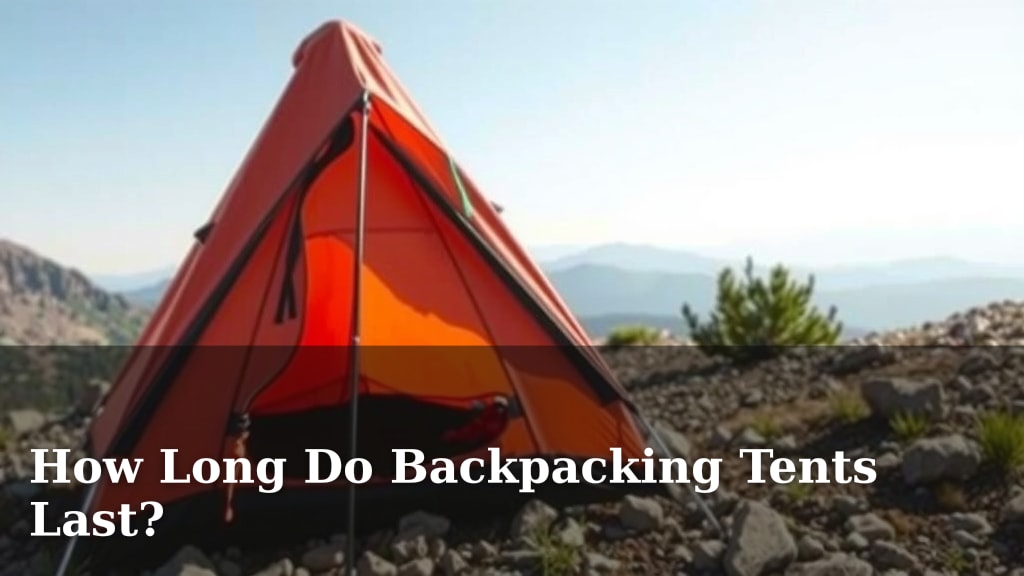
How Long Do Backpacking Tents Last?
Your trusty backpacking tent can last anywhere from 2 to 10 years, depending on how you treat it. Think of it like a good pair of hiking boots; consistent care makes a big difference. Many factors influence this lifespan, including materials and how often you get out there.
The durability of the fabric, the strength of the poles, and the quality of the zippers all play a role. Exposure to harsh weather and UV rays also impacts how long your shelter will hold up. Regular maintenance can extend its life significantly.
- Tents typically last 2-10 years.
- Quality materials matter a lot.
- How you care for it is key.
- Frequent use shortens lifespan.
- Proper storage prevents damage.
So, how can you maximize your tent’s life and avoid that disappointing moment when it gives up the ghost mid-trip? Let’s dive into the details of what makes a tent last.
“`htmlUnderstanding Your Tent’s Lifespan
So, you’re wondering how long your backpacking tent is likely to stick with you on your adventures? It’s a great question, and the answer isn’t a simple one-size-fits-all. We found that most backpacking tents can realistically last anywhere from two to ten years. Think of it like a pair of running shoes. With consistent care and mindful use, they’ll keep going. But if you’re hitting the trails every weekend in rough conditions, they’ll show wear and tear much faster.
Several factors really come into play here. The quality of the materials used in its construction is a huge part of it. Then, there’s how often you actually use it and the conditions it endures. Even the way you pack and store it matters. We’ll break down what contributes to a tent’s longevity and how you can help yours go the distance.
The Role of Materials: Building a Better Tent
The type of fabric your tent is made from is probably the biggest indicator of its potential lifespan. Most backpacking tents use nylon or polyester. These are both strong and lightweight, which is why they’re so popular. However, not all nylon and polyester are created equal. Higher denier fabrics (which means thicker threads) tend to be more durable but also heavier. Your tent’s waterproof coating, like polyurethane (PU) or silicone, also degrades over time, especially with UV exposure.
Fabric Durability Explained
You’ll often see numbers like 15D, 30D, or 70D associated with tent fabrics. This “denier” number refers to the fabric’s thickness. A higher number means a tougher fabric. While a 15D fabric might be incredibly light, it’s also more prone to tears and abrasions than a 70D fabric. For a tent that sees a lot of use or might encounter rougher terrain, investing in something with a slightly higher denier can pay off in the long run.
Understanding Waterproof Coatings
That waterproof barrier on your tent isn’t permanent. Over time, the PU or silicone coatings can break down. This is often accelerated by sunlight, moisture, and repeated folding. When the coating starts to flake or feel sticky, it’s a sign that your tent’s waterproofing is diminishing. Research shows that UV radiation is a primary culprit in this degradation (National Park Service).
How Usage Impacts Your Tent’s Lifespan
This one seems pretty obvious, right? The more you use your tent, the more wear and tear it will experience. However, it’s not just about the number of nights you spend under the stars. It’s also about how you use it during those nights. A tent used for occasional fair-weather camping will likely last much longer than one used for expeditions in harsh climates.
Frequency vs. Intensity
We found that using your tent a few times a year for casual weekend trips is very different from using it for a month-long thru-hike. The frequency of use matters, but so does the intensity. Setting up and taking down your tent repeatedly, even gently, causes some stress on the seams and fabric. If you’re frequently pitching your tent on rocky ground or in windy conditions, that’s going to accelerate wear.
Environmental Factors and Their Toll
The elements can be tough on your gear. Prolonged exposure to sunlight, especially strong UV rays, is a major enemy of tent fabric. It breaks down the material and weakens the waterproof coatings. Heavy rain and snow can put stress on the poles and fabric. Freezing temperatures can make fabrics brittle. Even the type of ground you pitch on can affect its life. Sharp rocks, twigs, and abrasive surfaces can cause small punctures that can grow over time.
The Importance of Proper Care and Maintenance
This is where you have the most control. Good maintenance is like giving your tent a spa treatment. It might seem like extra work, but it can significantly extend its life. Think of it as an investment in future adventures. Keeping your tent clean, dry, and properly stored are the cornerstones of good care.
Cleaning Your Tent: A Gentle Approach
After a trip, it’s essential to clean your tent. Don’t just shove it back in its bag, especially if it’s damp or dirty. First, shake out any loose dirt, leaves, and debris. For a deeper clean, use a mild soap and cool water. Avoid harsh detergents or washing machines, as these can damage the fabric and coatings. A soft brush or sponge is usually all you need. Always rinse thoroughly to remove all soap residue, as leftover soap can degrade the waterproof treatments over time.
Drying is Non-Negotiable
This is a golden rule we found experts always stress: Never store your tent wet. Mold and mildew are serious tent-killers. They can permanently stain the fabric and compromise its integrity. After cleaning, or even after a damp trip, let your tent air dry completely. Hang it up in a garage, on a clothesline, or spread it out in a well-ventilated room. Make sure all parts, including the rainfly and stuff sacks, are thoroughly dry before packing it away.
Storage Strategies for Longevity
How you store your tent when it’s not in use is also critical. While it might be tempting to stuff it back into its original tiny stuff sack, this isn’t ideal for long-term storage. Repeatedly compressing the fabric in the same spots can weaken the material over time. Instead, we recommend storing your tent loosely in its larger storage sack or even a breathable cotton bag. Keep it in a cool, dry place away from direct sunlight and extreme temperatures. Avoid storing it in a damp basement or a hot attic.
Extending Tent Life: A Quick Checklist
Want to give your tent the best chance at a long life? Keep these simple steps in mind:
- Always pitch your tent on a clean, flat surface.
- Use a footprint or ground cloth to protect the floor.
- Shake out dirt and debris after every use.
- Ensure your tent is completely dry before storing.
- Store your tent loosely, not tightly compressed.
- Inspect for small rips or seam damage and repair promptly.
| Factor | Impact on Lifespan | How to Mitigate |
|---|---|---|
| Material Quality | High (better fabrics last longer) | Invest in quality tent brands with good materials. |
| Frequency of Use | Moderate to High (more use = more wear) | Balance trips; care for tent between uses. |
| Environmental Exposure | High (UV, rain, snow degrade materials) | Use a footprint; store away from sun/elements. |
| Care and Maintenance | Very High (proper care is key) | Clean, dry, and store tent properly. Repair damage. |
| Storage Method | Moderate (compression weakens fabric) | Store loosely in a breathable sack. |
Conclusion
Your backpacking tent is more than just shelter; it’s your home away from home on the trail. You’ve learned that its lifespan hinges on a mix of quality materials and how you treat it. By understanding the impact of fabric denier, UV exposure, and proper usage, you can make informed choices. Prioritizing cleaning, thorough drying, and loose storage are simple yet powerful ways to extend your tent’s life. Take these steps, and you’ll ensure your trusty tent serves you reliably for many adventures to come. Inspect it after each trip, and you’ll catch issues before they become problems.
Frequently Asked Questions
What’s the biggest enemy of my tent’s lifespan?
The biggest enemies are typically prolonged exposure to UV rays from the sun and improper storage. UV radiation breaks down the fabric and waterproof coatings over time. Storing your tent while it’s still damp invites mold and mildew, which can ruin the material.
Can I repair a small hole in my tent to make it last longer?
Absolutely! Small rips or holes can be repaired with specialized tent patch kits or seam sealer. Addressing these issues promptly prevents them from growing larger and compromising your tent’s integrity and waterproofness.
How often should I deep clean my backpacking tent?
You don’t need to deep clean your tent after every single trip. A good shake-out is often enough for light dirt. A more thorough wash with mild soap and cool water is best done only when visibly dirty or after trips where it got particularly grimy.
Does leaving my tent set up in my yard help it last longer?
Leaving your tent set up outside for extended periods, especially in direct sunlight, will actually shorten its lifespan. The constant UV exposure and potential for moisture can degrade the fabric and coatings much faster than occasional use and proper storage.
What are signs my tent is nearing the end of its life?
Look for symptoms like flaking or sticky waterproof coatings, seams that are starting to separate, fabric that feels brittle, or zippers that are difficult to operate. If your tent is no longer reliably keeping you dry, it might be time to consider a replacement.
![7 Best Affordable Tents For Camping [2026]](https://leonardhomeoutdoor.com/wp-content/uploads/2026/08/7-best-affordable-tents-for-camping-2026-featured-768x432.jpg)
![7 Best Cot Tents [2026]](https://leonardhomeoutdoor.com/wp-content/uploads/2026/08/7-best-cot-tents-2026-featured-768x432.jpg)
![7 Best Affordable Ultralight Tent [2026]](https://leonardhomeoutdoor.com/wp-content/uploads/2026/07/7-best-affordable-ultralight-tent-2026-featured-768x432.jpg)
![7 Man Tents [2026]](https://leonardhomeoutdoor.com/wp-content/uploads/2026/08/7-man-tents-2026-featured-768x432.jpg)