Pole vs Air Tent: The Complete Guide to Choosing Your Perfect Camping Shelter
When you’re standing in an outdoor gear store staring at two very different tents, it’s easy to feel overwhelmed. Should you go with a traditional pole tent or jump on the inflatable air tent trend? I’ve been there, squinting at product descriptions and trying to figure out which one won’t leave me drenched in the middle of a camping trip. The truth is, there’s no one-size-fits-all answer, but by the time you finish reading this guide, you’ll understand exactly which option suits your camping lifestyle.
Article Outline
- Understanding the basics of pole and air tents
- Setup time and ease of installation
- Durability and longevity comparison
- Weight and portability factors
- Cost considerations
- Weather performance and stability
- Maintenance and care requirements
- Space and comfort analysis
- Versatility and design options
- Safety and reliability concerns
- Environmental impact
- Real-world user experiences
- Making your final decision
Understanding the Basics: What Are Pole Tents and Air Tents?
The Traditional Pole Tent Explained
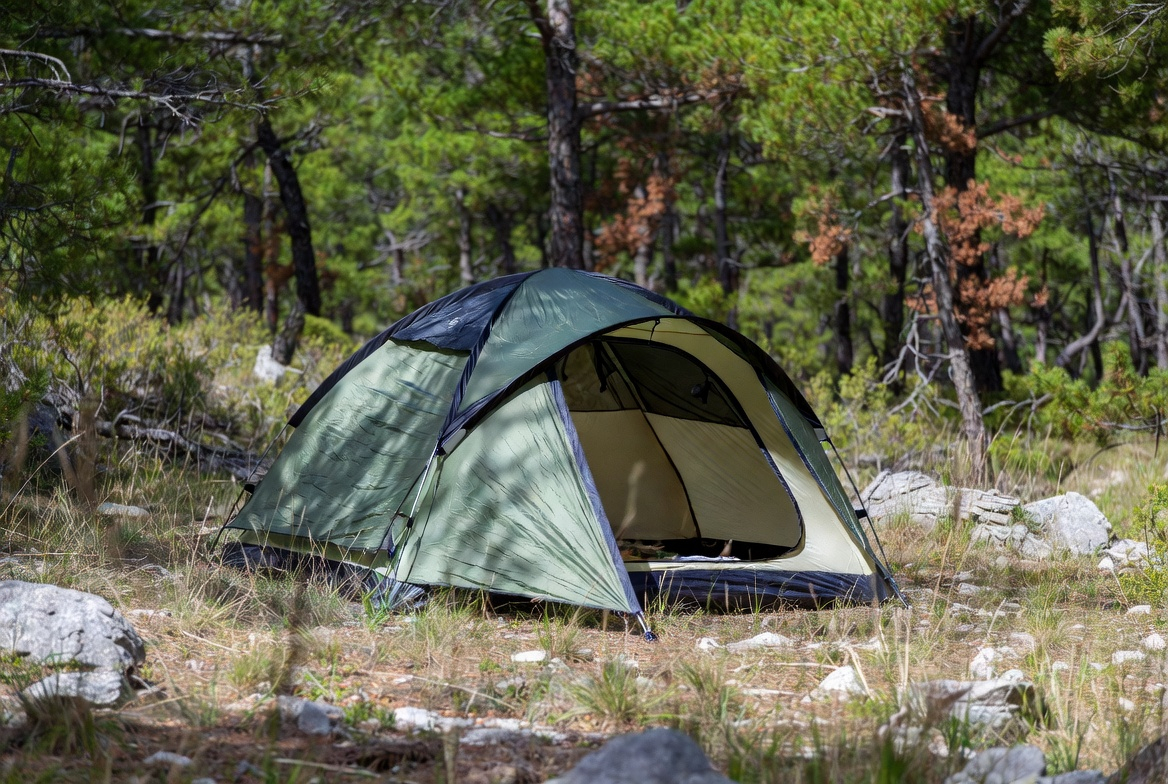
Let me start with what most of us grew up with—the classic pole tent. These tents use rigid poles, typically made from aluminum or fiberglass, that you manually insert through sleeves or attach to the fabric structure. Think of the poles as the skeleton of your tent; they hold everything up and create that iconic A-frame or dome shape you recognize instantly. The poles bend and flex, creating tension that keeps the tent fabric taut and stable.
I remember my first pole tent experience as a kid. My dad would lay out all the pieces on the ground like a puzzle, and within thirty minutes, we’d have a standing shelter. That’s the traditional approach most campers have relied on for decades.
The Modern Air Tent Revolution
Air tents, sometimes called inflatable tents, represent a relatively newer approach to tent design. Instead of rigid poles, these tents use inflatable air tubes that you pump up with an electric or manual pump. These air tubes create the structural support, much like how an air mattress stays firm when inflated. The concept is ingenious—the air pressure itself becomes the framework holding everything in place.
When I first saw an air tent being set up, I was skeptical. Could air really replace the proven reliability of metal poles? That question drove me to dig deeper into how these two systems actually compare.
Setup Time and Ease of Installation
Pole Tent Setup: The Traditional Method
Setting up a traditional pole tent typically takes between 15 to 45 minutes, depending on the model’s complexity. You’ll need to:
- Lay out the tent body
- Assemble poles if they come in separate sections
- Insert poles through sleeves or attach them to connectors
- Secure the tent with stakes and guy lines
- Adjust tension for proper shape
The process requires some coordination, especially if you’re alone or new to camping. I’ve watched experienced campers make it look effortless, but there’s definitely a learning curve. The good news is that once you’ve done it a few times, your muscle memory kicks in and the process becomes second nature.
Air Tent Setup: Speed and Simplicity
Here’s where air tents genuinely shine. Most air tent setups take between 5 to 15 minutes, including inflation time. The process is remarkably straightforward:
- Unfold the tent on your chosen spot
- Connect your pump to the inflation valve
- Inflate the tubes until properly pressurized
- Secure with stakes and guy lines
I’ve watched people set up air tents who’d never camped before, and they managed without any frustration. There’s something satisfying about watching those tubes inflate and seeing your shelter take shape in minutes. However, you absolutely need a pump—forgetting one makes an air tent almost impossible to set up manually.
Durability and Longevity: Which Lasts Longer?
Pole Tent Durability
Pole tents have been around long enough that we have decades of real-world data on their longevity. A quality pole tent, when properly maintained, can last 10 to 20 years or even longer. The poles themselves are incredibly durable—aluminum and fiberglass are resistant to corrosion and can withstand significant stress.
The fabric is where pole tents can falter. UV exposure, mold, and improper storage can degrade the material. I’ve seen 30-year-old pole tents still standing strong in backyards, and I’ve also seen five-year-old ones with irreparable tears. The difference usually comes down to how they were cared for.
Air Tent Durability Concerns
Air tents are newer, so we don’t have the same long-term track record. However, manufacturers report that quality air tubes can last 8 to 15 years under normal conditions. The concern here isn’t really the tubes themselves—they’re typically made from reinforced PVC or TPU that’s quite tough.
The real issue is the constant pressure cycling. Every time you inflate and deflate the tubes, there’s microscopic stress on the seams and material. Over years, this repeated inflation can eventually lead to weakened areas. Additionally, a single puncture to an air tube can render the tent unusable, whereas a pole can be quickly repaired or replaced with a splint.
Repair Complexity
Fixing a pole tent is usually easier. A broken pole can be splinted with a repair kit, or you can order a replacement pole. Fixing torn fabric is possible with patches. Air tents present a different challenge—repairing a punctured tube requires specialized repair kits and some skill. A major tear in an air tube might require the entire tube replacement, which can be costly.
Weight and Portability: How Easy Are They to Carry?
Pole Tent Weight Considerations
Pole tents vary considerably in weight. A basic three-season pole tent for two people might weigh 4 to 7 pounds, while larger family tents can exceed 20 pounds. The poles themselves account for a significant portion of this weight.
From a backpacking perspective, every ounce matters. Ultralight backpackers often choose minimal pole tents because they’ve optimized the design for weight. However, this usually means sacrificing space and weather protection.
Air Tent Weight Analysis
Here’s an interesting fact: air tents aren’t necessarily lighter than pole tents. The inflatable tubes add weight, and you also need to carry a pump. A two-person air tent plus pump often weighs 6 to 10 pounds, comparable to a lightweight pole tent.
However, the weight distribution is different. Air tents are often more compact when packed, making them easier to fit into backpacks even if they’re not lighter. The removed weight from not having rigid poles gets redistributed into the pump and thicker fabric walls.
Cost Comparison: Budget Considerations
Pole Tent Pricing
You can find basic pole tents for beginners starting around $100 to $150. Mid-range quality pole tents, suitable for regular camping, typically cost $300 to $800. Premium pole tents with advanced features and materials can run $1,000 to $2,500 or more.
The advantage here is the wide price range. You can match your budget to your camping frequency and needs pretty easily.
Air Tent Pricing
Air tents generally cost more upfront. Most decent quality air tents start around $400 and easily reach $1,500 or higher for premium models. You’re also buying a pump, which adds another $50 to $300 to your initial investment depending on the pump quality.
The higher initial cost reflects the newer technology and manufacturing complexity. However, some campers justify this by the time saved during setup and the modern convenience factor.
Long-term Value Assessment
If you camp frequently and value setup speed, an air tent might offer better value over time. If you camp occasionally and prefer lower upfront costs, a pole tent makes more financial sense. It’s not just about the sticker price; it’s about what you’re getting for your money.
Weather Performance and Stability in Harsh Conditions
Pole Tent Weather Resistance
Pole tents have proven their mettle in every conceivable weather condition. The rigid structure means they maintain their shape during wind, rain, and snow. The angles created by poles naturally shed water, and the tension in the fabric helps prevent water from pooling.
In my experience, a well-designed pole tent with proper guy lines secured can handle surprising wind speeds. The flex in the poles actually helps them withstand gusts rather than fighting against them.
Air Tent Weather Capabilities
Air tents perform remarkably well in most weather conditions. The pressurized structure actually makes them quite stable in wind—there’s no flex to create flutter or movement. Rain slides off the smooth surface efficiently.
However, there’s one scenario where air tents show vulnerability: extreme cold. In freezing temperatures, the air inside contracts, potentially losing pressure. Users report needing to top up inflation on cold mornings, which isn’t ideal when you’re trying to break camp quickly.
Snow Load and Wind Resistance
Pole tents handle snow loads well because the peaked design allows snow to slide off naturally. Air tents with their more rounded design might accumulate snow differently. Heavy, wet snow could potentially stress the air tubes more than traditional poles.
For extreme mountain camping in winter, pole tents with their proven track record might be the safer choice. For moderate three-season camping, both handle weather adequately.
Maintenance and Care Requirements
Maintaining Your Pole Tent
Pole tent maintenance is straightforward but essential. Key practices include:
- Always allow fabric to dry completely before storage to prevent mold
- Inspect poles for cracks or damage after each trip
- Clean fabric gently with mild soap and water
- Check zippers and repair any damage promptly
- Store in a cool, dry place away from direct sunlight
- Periodically check seams and reapply sealant if needed
The routine is similar to caring for any piece of outdoor gear. Neglect leads to problems, but consistent care extends the tent’s life significantly.
Maintaining Your Air Tent
Air tent maintenance involves slightly different concerns:
- Check valves regularly for leaks by applying soapy water and looking for bubbles
- Inspect tubes for any punctures or damage
- Clean the valve mechanisms to ensure they seal properly
- Store with tubes at partial inflation to maintain elasticity
- Check pump functionality before each trip
- Monitor air pressure during camping, especially in temperature changes
Air tents require more vigilant monitoring, and that pump needs to work reliably. A broken pump before a camping trip is more problematic than a broken pole, which you might improvise around.
Space and Comfort: Interior Experience
Pole Tent Interior Layout
Pole tents create distinctive interior spaces. The peaked design of A-frame tents means maximum headroom at the center and sloping walls toward the edges. This shapes how you arrange sleeping bags and gear. Dome-style pole tents offer more usable floor space and more consistent headroom throughout.
I’ve found that pole tents generally maximize usable interior space relative to their footprint. The rigid structure creates defined living areas.
Air Tent Interior Advantages
Air tents typically offer more internal space and straighter walls because the tubes run vertically. This means better usable floor space, especially around the tent’s perimeter. You can actually use the entire floor area without the sloping wall problem.
For family camping or couples who value moving around inside the tent, air tents provide a more spacious feeling. The straight walls also make interior organization easier.
Versatility and Design Options Available
Pole Tent Variety
The pole tent market offers incredible variety because the technology is mature and established. You’ll find:
- Classic A-frame designs
- Geodesic dome structures
- Bell tents and glamping styles
- Ultralight backpacking models
- Large family tents with multiple rooms
- Four-season mountaineering tents
No matter your specific camping style, there’s a pole tent designed for it. This variety has developed over decades of refinement.
Air Tent Design Evolution
Air tent designs are still evolving, but the options are expanding. Current designs include:
- Two-person lightweight air tents
- Family air tents with multiple rooms
- Tunnel-style air tents
- Hybrid models mixing air tubes with minimal poles
The market is still consolidating, and you’ll see fewer options than pole tents. However, innovative designs continue emerging as manufacturers explore air tube possibilities.
Safety and Reliability Concerns
Pole Tent Reliability Factors
Pole tents are reliable because they’re simple mechanical systems. There’s very little that can fail catastrophically. Poles might bend, fabric might tear, but the tent remains functional. Even with damage, you’re usually not stranded without shelter.
The proven technology means you know exactly how they’ll perform in various situations. There are no surprises with pole tents—you understand their limits.
Air Tent Reliability Concerns
The main safety concern with air tents is total structural failure from a major leak. If you develop a significant puncture and don’t have a repair kit, your tent loses structural integrity. You’re not just uncomfortable; your shelter is compromised.
Additionally, pump failure becomes a critical issue. If your pump breaks and you can’t inflate the tent, you’re in a difficult situation. This is why carrying a backup pump or manual pump option is essential for serious air tent users.
Environmental Impact and Sustainability
Pole Tent Environmental Considerations
Pole tents use aluminum and fabric materials. Aluminum is infinitely recyclable, which is positive. However, pole tent manufacturing requires significant energy for material processing and assembly. The fabric is typically synthetic polyester or nylon, which are petroleum-based.
On the positive side, pole tents’ longevity means less frequent replacement, reducing overall environmental impact. A tent lasting 15 years requires fewer resources than replacing one every 5 years.
Air Tent Environmental Impact
Air tents use PVC or

![7 Best Budget 4 Season Tent [2026]](https://leonardhomeoutdoor.com/wp-content/uploads/2026/08/7-best-budget-4-season-tent-2026-featured-768x432.jpg)
![7 Best Backpacking Tent For Appalachian Trail [2026]](https://leonardhomeoutdoor.com/wp-content/uploads/2026/07/7-best-backpacking-tent-for-appalachian-trail-2026-featured-768x432.jpg)
![7 Best Blackout Tents For Camping [2026]](https://leonardhomeoutdoor.com/wp-content/uploads/2026/08/7-best-blackout-tents-for-camping-2026-featured-768x432.jpg)