Pop Up Camper vs Tent Camping: Which Adventure Style Suits You Best?
There’s something magical about stepping away from the chaos of daily life and reconnecting with nature. But here’s the thing—when you’re planning your next outdoor getaway, you’re probably facing a familiar dilemma: should you go with a pop-up camper or stick with traditional tent camping? It’s a choice that can make or break your entire experience, and honestly, there’s no one-size-fits-all answer. Let me walk you through everything you need to know to make the right decision for your camping style.
Article Outline
- Understanding Pop-Up Campers: What Are They?
- The Classic Appeal of Tent Camping
- Comfort Comparison: Home Away From Home vs. Roughing It
- Cost Analysis: Initial Investment and Ongoing Expenses
- Setup Time and Convenience Factor
- Weather Protection and Durability
- Mobility and Flexibility on the Road
- Storage and Space Efficiency
- Environmental Impact Considerations
- Best Camping Destinations for Each Option
- Maintenance and Long-term Care
- Social Aspects of Your Camping Choice
- Safety Features and Security
- Making Your Final Decision
- Frequently Asked Questions
Understanding Pop-Up Campers: What Are They Really?
Let me start by demystifying pop-up campers for those who might not be entirely familiar with them. A pop-up camper, sometimes called a travel trailer or expandable camper, is essentially a compact mobile home that you tow behind your vehicle. Think of it as a hybrid between a traditional camper and a tent—it has the portability of a trailer but incorporates canvas or vinyl sides that expand when you set up.
These ingenious contraptions typically feature a hard roof, a frame that pops up when you arrive at your destination, and canvas walls that come down when you’re ready to leave. Inside, you’ll usually find sleeping quarters, a small kitchen area, storage compartments, and sometimes a bathroom. It’s like bringing your bedroom on wheels without sacrificing too much mobility.
Key Features of Modern Pop-Up Campers
- Lightweight construction for easier towing
- Quick setup and breakdown procedures
- Built-in bed frames and mattresses
- Protection from ground moisture and insects
- Weather-resistant canvas or vinyl materials
- Storage capacity for camping gear
- Optional heating and cooling systems
- Interior lighting and electrical connections
The Timeless Appeal of Tent Camping
Now, let’s talk about the classic approach to camping that’s been around for centuries—tent camping. There’s a reason this method has stood the test of time. When you’re pitching a tent under the stars, you’re engaging in one of humanity’s oldest traditions. You’re simplifying your life, stripping away the unnecessary, and getting back to basics.
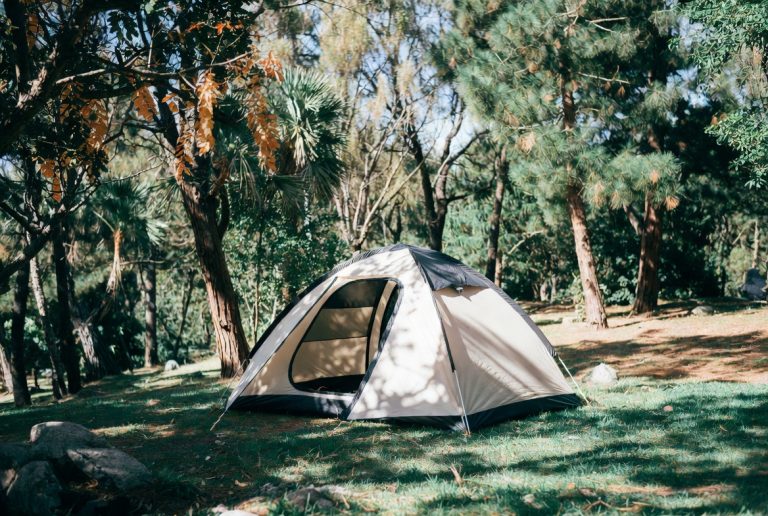
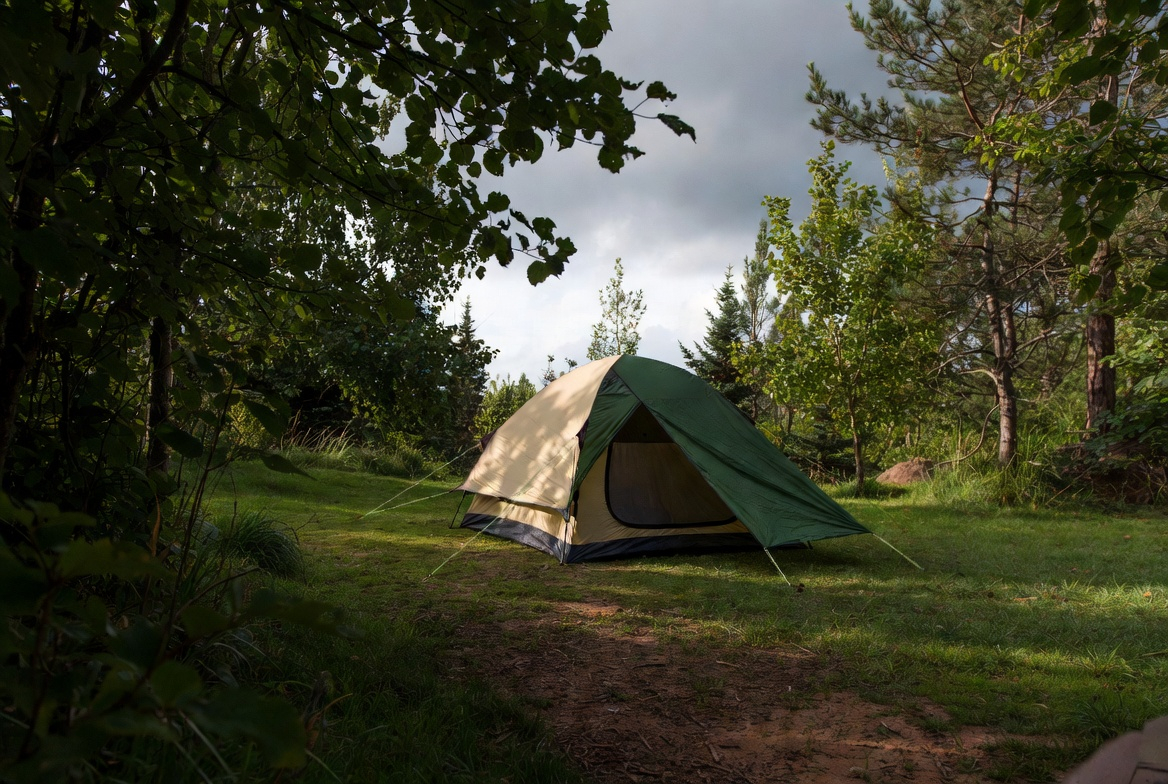
Tent camping is about more than just sleeping outdoors; it’s a mindset. It’s about embracing the elements, building campfires with your family, and truly disconnecting from the modern world. Whether you’re using a basic two-person dome tent or a luxurious bell tent, you’re participating in an authentic outdoor experience that countless generations have enjoyed.
Why People Love Tent Camping
- Direct connection with nature and natural surroundings
- Authentic outdoor experience without modern distractions
- Opportunity to wake up surrounded by fresh air and scenery
- Freedom to camp almost anywhere with fewer restrictions
- Participation in outdoor traditions and skills
- Enhanced sensory experience of the camping environment
Comfort Comparison: How Do These Options Really Stack Up?
Here’s where things get really interesting. When it comes to comfort, these two camping styles are practically worlds apart, and your tolerance for roughing it might be the deciding factor. Let me break down what you can realistically expect from each option.
Pop-Up Camper Comfort Amenities
A pop-up camper offers significantly more comfort than tent camping, which is the whole point for many people. You’re sleeping on an actual bed frame with a real mattress, not an air mattress that deflates in the middle of the night. You have protection from rain, wind, and those pesky insects that seem to find their way into every tent.
Many pop-up campers include heating systems for cool nights, which makes camping in spring or fall genuinely enjoyable rather than teeth-chattering uncomfortable. You have overhead storage, proper ventilation, and in some models, air conditioning. Some even feature small bathrooms with toilets and showers, though you’ll want to confirm this before purchasing.
Tent Camping Comfort Reality
Tent camping requires a different kind of comfort philosophy. You’re trading creature comforts for authenticity and simplicity. Yes, you’re sleeping on the ground (albeit with a sleeping pad and bag), and yes, you’ll hear every sound around you. But here’s what many tent campers will tell you: that’s exactly the point.
Modern camping gear has improved dramatically, though. Today’s sleeping bags are incredibly insulating, camping pads are ergonomic, and quality tents have excellent ventilation and weatherproofing. You might not have a warm shower in the morning, but you’ll have something more valuable—the invigorating experience of washing your face in cold stream water while surrounded by pine trees.
Cost Analysis: What’s Your Real Budget?
Money talks, and when it comes to choosing between these two camping styles, your budget might be the ultimate deciding factor. Let’s get real about the numbers.
Pop-Up Camper Costs
The initial investment for a pop-up camper can range anywhere from three thousand dollars for basic used models to fifteen thousand dollars or more for new, well-equipped units. But that’s just the beginning. Once you own one, you’re responsible for ongoing expenses that include annual maintenance, repairs, registration fees (in most states), insurance, and storage.
You’ll also need a vehicle capable of towing the camper’s weight, which might mean upgrading your current vehicle if it’s not rated for towing. Factor in fuel costs for both the tow vehicle and the extra weight you’re carrying. Over a five-year period, many camper owners report spending ten to twenty thousand dollars total between purchase, maintenance, fuel, and storage.
Tent Camping Costs
Here’s where tent camping shines from a financial perspective. A quality four-person tent runs between one hundred and four hundred dollars, depending on the brand and features. Add a couple of sleeping bags at fifty to two hundred dollars each, some sleeping pads at thirty to one hundred dollars per person, and you’re looking at a total initial investment of three to eight hundred dollars for a complete setup.
After that initial purchase, your main expenses are campground fees, which typically range from ten to forty dollars per night, depending on the location and amenities. A family of four can camp all summer for less than what a single pop-up camper payment costs monthly.
Setup Time and Convenience: Ready to Relax or Ready to Work?
After a long week at work, how much time do you want to spend setting up before you can actually start relaxing? This is a practical consideration that matters more than you might think.
Pop-Up Camper Setup Speed
With a pop-up camper, setup is genuinely quick. Most models can be fully operational in fifteen to thirty minutes. You drive to your spot, unhitch the camper, pop up the roof and sides, crank out the stabilizer jacks, and you’re essentially done. No hunting for level ground, no wrestling with tent poles, no worrying about proper orientation for ventilation.
This convenience is huge when you have kids or when you’re arriving at a campsite late in the afternoon. You can have dinner cooking in the built-in stove and be settled in for the evening before the sun sets.
Tent Camping Setup Reality
Tent camping setup takes longer, but it’s not as complicated as some people fear. A well-organized camping veteran can pitch a quality tent in ten to twenty minutes. However, that’s after you’ve selected the right location, cleared the ground of rocks and debris, and positioned your tent for optimal airflow and protection.
Breakdown is similarly time-consuming. You need to pack up all your gear, collapse the tent, and ensure everything is properly dried and stored to prevent mold. What takes fifteen minutes to pop up might take thirty minutes to properly close down and pack away.
Weather Protection and Durability: Can You Handle Mother Nature?
Weather is the great equalizer in camping. How well your shelter protects you from the elements can mean the difference between a memorable adventure and a miserable experience.
Pop-Up Camper Weather Resistance
Pop-up campers offer superior protection against bad weather. The hard roof protects you from rain, hail, and heavy snow. The canvas or vinyl sides are typically treated to be weather-resistant, though they’re not as tough as hard-sided campers. If you encounter a serious storm with high winds, the camper provides solid structure that won’t collapse like a tent might.
However, the canvas and vinyl materials do have a lifespan and eventually require replacement. UV exposure, constant expansion and contraction, and general wear can lead to deterioration over five to ten years depending on use and climate.
Tent Camping Weather Challenges
Modern quality tents are surprisingly capable in moderate weather conditions. A good three-season tent will handle rain, wind, and temperature fluctuations that would have challenged older tent models. However, there are limits. Extremely high winds can stress tent materials and zippers. Heavy, wet snow can collapse a tent if it accumulates too much weight on the roof.
The advantage of tents is that they’re replaceable. If a tent gets damaged or wears out, you’re replacing a two to four hundred dollar item rather than a multi-thousand dollar camper. This lower financial barrier to replacement makes tent camping more forgiving when equipment fails.
Mobility and Flexibility: How Free Do You Want to Be?
There’s a fundamental difference in how these two camping styles affect your freedom to explore. Consider how this impacts your overall camping philosophy.
Pop-Up Camper Mobility Limitations
Pop-up campers are tethered to your tow vehicle. You can only camp where you can drive your vehicle with a trailer attached. This eliminates backcountry camping, remote hiking trails, and many primitive camping areas. Many national parks and state forests have restrictions on trailer size and weight.
Once you’re parked, you’re somewhat committed to staying there. Moving to a different spot means hitching up, driving, and setting up again. This discourages spontaneous exploration and limits your ability to chase better weather or follow unexpected opportunities.
Tent Camping Freedom Factor
Tent camping offers unparalleled freedom. You can hike into backcountry areas where no vehicle can go. You can park at a remote trailhead and camp where few others venture. If you want to move to a different location, you simply pack your tent and walk to the next spot. This flexibility transforms camping from a destination activity into a journey-focused adventure.
You can also camp in places where trailers are prohibited, including many wilderness areas and protected landscapes. This opens up entirely different camping experiences that are simply impossible with a pop-up camper.
Storage and Space Efficiency: Can You Fit Everything In?
Every camping style has different storage realities. Let’s talk about what you can actually bring with you and how organized you need to be.
Pop-Up Camper Storage Capacity
Pop-up campers typically include built-in storage compartments under beds, overhead cabinets, and exterior bins. A good pop-up can hold quite a bit of gear—clothing, cooking equipment, camping tools, and recreational items. However, this storage space is finite and requires thoughtful organization.
You’ll also need to carry everything you want for the trip, which means you’re thinking ahead about what you need. The built-in kitchen and bathroom facilities mean you don’t need to pack separate cooking gear or bathroom supplies (though most people still bring duplicates).
Tent Camping Packing Strategy
Tent camping doesn’t include built-in storage, so you’re carrying everything in your vehicle. This actually gives you more flexibility because you can bring different gear for different trip lengths. A weekend trip requires just the essentials, while a two-week adventure might include more recreational equipment.
The tradeoff is that you need to be more intentional about packing. Your sleeping bag, tent, cooking gear, and food need to be organized so you can access what you need. Many tent campers develop systems for packing that maximize space in their vehicles.
Environmental Impact: Leave No Trace, But How?
If you care about the environment—and most campers do—you might wonder which option has a lighter ecological footprint.
Pop-Up Camper Environmental Considerations
Pop-up campers concentrate impact on developed campgrounds with established infrastructure. This actually protects wild areas because campers aren’t spreading out across undeveloped land. However, the manufacturing process for campers consumes resources, and operating a camper involves fuel consumption for towing and potentially running generators or furnaces.
The durability of a camper means you’re using the same equipment for many years, which amortizes the manufacturing impact over decades. If you camp frequently, the per-trip environmental cost is relatively low.
Tent Camping Environmental Impact
Tent camping can range from very low impact (camping on established campsites) to potentially higher impact (dispersed camping with less regulation). The advantage is that tents require no fuel to operate and no complex manufacturing processes. The disadvantage is that improper tent camping practices can damage vegetation and soil.
However, responsible tent campers practicing Leave No Trace principles can minimize their environmental footprint to nearly zero. You’re only impacting the specific ground where your tent sits, and with proper technique, that ground recovers quickly after you leave.
Best Camping Destinations for Each Option
Different locations suit different camping styles. Where you want to camp might naturally guide your decision.
Ideal Pop-Up Camper Destinations
- Established RV campgrounds with hookups and amenities
- State parks with designated campsites for trailers
- Private camping areas and resort properties
- Scenic byways with pull-off camping areas
- Beach camping areas accessible by vehicle
- National Forest developed campgrounds
- Seasonal camping sites in wine country or rural areas
Ideal Tent Camping Destinations
- Backcountry wilderness areas and national parks
- Remote trailheads and hiking destinations
- Primitive camping areas on public lands
- Mountain regions requiring hiking access
- Island camping accessible only by kayak or boat
- Dispersed camping on public lands
- Adventure-focused locations emphasizing outdoor skills
Maintenance and Long-term Care: What’s Your Responsibility?
Both camping styles require maintenance, but the nature and extent are quite different.
Pop
![7 Best Tent For Ac [2026]](https://leonardhomeoutdoor.com/wp-content/uploads/2026/09/7-best-tent-for-ac-2026-featured-768x432.jpg)
![7 Best Camping Tent Waterproof [2026]](https://leonardhomeoutdoor.com/wp-content/uploads/2026/08/7-best-camping-tent-waterproof-2026-featured-768x432.jpg)
![7 Best Affordable Backpacking Tents [2026]](https://leonardhomeoutdoor.com/wp-content/uploads/2026/08/7-best-affordable-backpacking-tents-2026-featured-768x432.jpg)