Pop Up Tent vs Dome Tent: Speed vs Stability in the Outdoors
When you’re planning your next camping adventure, one of the first decisions you’ll face is choosing the right tent. Should you go with a pop up tent that practically assembles itself, or should you opt for a dome tent that promises rock-solid stability? It’s not always an easy call, and honestly, the answer depends on what matters most to you. Let me walk you through everything you need to know to make an informed decision.
Outline of What We’ll Cover
- Understanding pop up tents and how they work
- Exploring dome tents and their design advantages
- Setup time comparison between the two
- Stability and durability factors
- Weather resistance capabilities
- Spaciousness and interior comfort
- Weight and portability considerations
- Cost differences and value for money
- Best use cases for each tent type
- Maintenance and care requirements
- Long-term durability and lifespan
- Final verdict and recommendations
What Exactly Is a Pop Up Tent?
A pop up tent is like having a magic trick in your backpack. You know that feeling when you open a present and something springs out? That’s essentially how a pop up tent works. These tents feature a pre-bent frame system that’s held under tension, allowing them to snap into shape the moment you remove them from their carrying bag.
The frame typically consists of fiberglass or flexible metal rods that are bent and held in their compressed state. When you release them, they naturally spring back to their intended shape, creating the tent’s structure almost instantaneously. It’s genuinely remarkable how quickly the whole thing comes together.
How Pop Up Tent Frames Function
The magic behind pop up tents lies in their frame engineering. The frame stays under constant tension, similar to how a stress ball returns to its original shape when you release your grip. This tension is what creates that instantaneous setup.
Most pop up tents use either an X-frame design or a tunnel-style frame. The X-frame creates an airy space underneath and above, while the tunnel style offers more headroom in certain areas. Both designs rely on that spring-back mechanism to achieve their shape without requiring assembly.
Common Materials in Pop Up Tent Construction
- Fiberglass rods with polyester coating
- Flexible metal alloy frames
- Polyester or nylon fabric outer shell
- Mesh interior panels for ventilation
- Waterproof floor material
Understanding Dome Tents and Their Design Philosophy
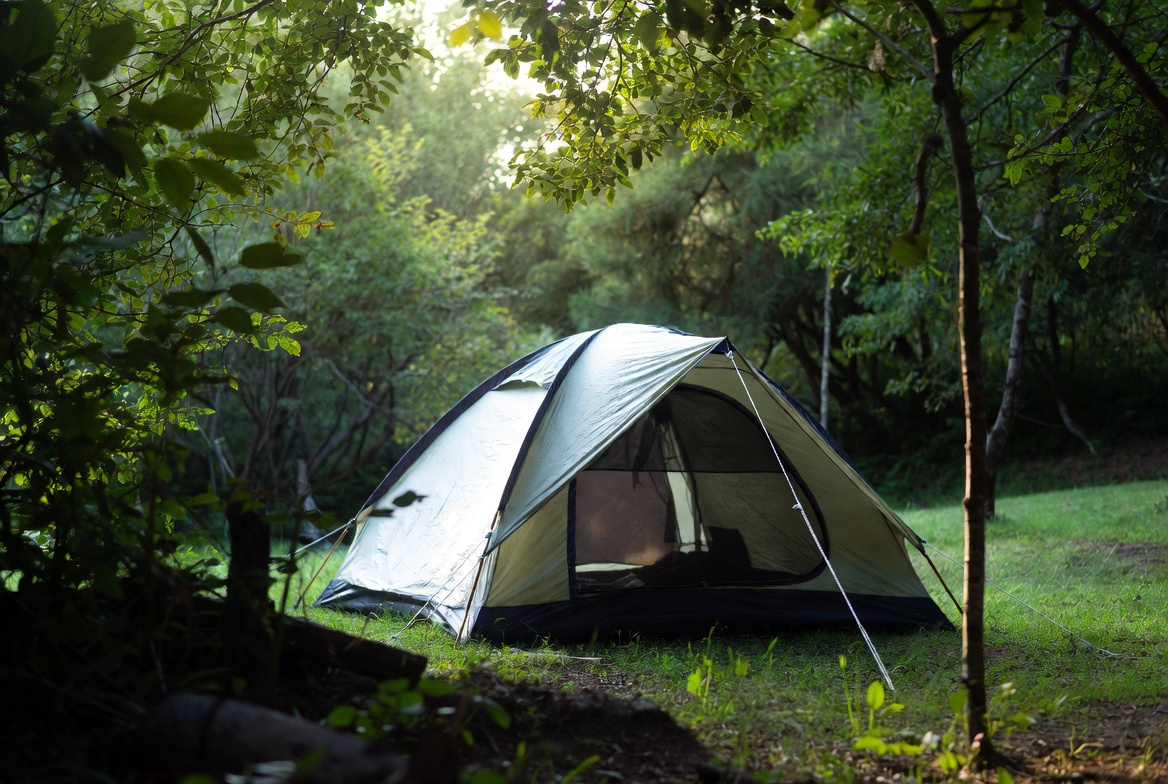
Now let’s talk about dome tents. These are the traditional designs you’ve probably seen at camping sites for decades. A dome tent features a curved, rounded top that gives it that characteristic mushroom-like silhouette. It’s a design that’s been refined over many years, and there’s good reason it remains incredibly popular.
Dome tents typically use a pole structure that you assemble manually. Usually, you’ll have one or two main poles that create the arch, and they’re either attached at the apex or positioned to cross each other. This traditional design philosophy prioritizes stability and weather resistance over quick setup.
Pole Configuration in Dome Tents
The pole system in a dome tent is its backbone. Most dome tents use either a two-pole or four-pole design. The two-pole system is more common in smaller dome tents, creating that classic arch shape. The four-pole design adds extra stability and creates more internal volume.
The poles slide into sleeves that are sewn onto the tent fabric, or they’re connected via clips. This connection method is crucial because it distributes the weight and wind pressure evenly across the tent’s structure. It’s like the difference between a bridge with multiple supports versus one with fewer supports—more points of contact means greater stability.
Dome Tent Materials and Durability
- Aluminum poles for lightweight strength
- High-denier polyester or nylon fabric
- Fiberglass poles in budget options
- Reinforced stitching at stress points
- Quality zippers and fastening systems
The Speed Factor: Setup Time Comparison
Let’s address the most obvious difference between these two tent types: setup speed. This is where pop up tents truly shine, and it’s not even a close competition.
With a pop up tent, you literally pull it out of the bag and it opens up like a flower blooming in time-lapse photography. Seriously, we’re talking about 5 to 10 seconds for the frame to fully expand. Adding the ground stakes and rain fly typically takes another minute or two, but you’re looking at a total setup time of around 5 minutes maximum.
Dome tents, on the other hand, require you to read the instructions (or at least understand the pole configuration), insert poles into sleeves, angle them correctly, and ensure everything is properly tensioned. For a beginner, this can take 15 to 30 minutes. Even experienced campers usually need 10 to 15 minutes to set up a dome tent properly.
Why Speed Matters in Camping Scenarios
You might be wondering why setup speed actually matters. After all, you’re only setting up a tent once per trip, right? True, but consider these situations: you arrive at your campsite just as darkness falls, you’re caught in unexpected weather and need shelter immediately, or you’re doing multiple camping trips in different locations every few days.
In these scenarios, a pop up tent’s quick setup becomes genuinely invaluable. There’s also something psychologically satisfying about having your shelter ready in seconds. It reduces camping stress and gives you more time to enjoy the outdoors rather than fussing with tent poles.
Stability and Wind Resistance: The Dome Tent Advantage
Now we flip the script. While pop up tents win on speed, dome tents typically dominate when it comes to stability. This is a critical consideration, especially if you’re camping in windy conditions or mountainous terrain.
The dome tent’s design distributes forces more evenly across its structure. When wind pushes against a dome tent, the force is spread across the curved surface, directing pressure downward and to the ground rather than creating pressure points that might strain the frame.
How Wind Pressure Affects Different Tent Shapes
Think about wind resistance like water flowing around an obstacle. A pop up tent’s frame can have vulnerable points where poles cross or connect. These connection points can become stress zones in high winds. The dome shape, however, is aerodynamically superior for wind resistance. The rounded surface allows wind to flow around it rather than pushing directly against flat surfaces.
Studies in wind tunnel testing have shown that dome tents maintain their integrity better under sustained high winds compared to many pop up designs. This is one reason dome tents remain the standard choice for mountaineering and serious backcountry camping.
Ground Stakes and Anchoring Systems
- Multiple anchor points distributed across the tent perimeter
- Low center of gravity in dome designs
- Flexible pole systems that bend rather than break
- Reinforced guyline attachment points
- Ability to stake out additional guy ropes for extreme conditions
Weather Resistance: Rain, Snow, and Everything In Between
Both tent types can handle rain effectively, but they approach weather protection differently. A pop up tent’s sealed fabric and integrated rain fly work well for moderate rain. However, if you’re dealing with heavy, sustained rainfall or snow load, the dome tent’s design becomes increasingly advantageous.
The dome tent’s peaked roof naturally sheds water and snow. Gravity does the work for you, pulling moisture down and away from the tent structure. Snow accumulation is also less likely to damage a dome tent’s framework because the angled surfaces don’t provide flat areas where snow can pile up.
Rain Fly Coverage and Water Shedding
Most quality pop up tents come with a rain fly, but these flies must be perfectly positioned to work effectively. If there’s any gap between the fly and the tent body, water can seep through. Dome tent rain flies are typically designed to complement the tent’s curved shape, creating a more seamless seal.
Additionally, the way water behaves on curved surfaces versus flatter surfaces matters. Water naturally wants to flow downward in the most direct path. Curved dome surfaces encourage this natural flow, while flat or gently sloping surfaces can cause water to pool or run sideways toward seams.
Interior Space and Comfort Considerations
Now let’s talk about something equally important as shelter: how comfortable you’ll actually be inside your tent. This is where the comparison gets interesting because the answer varies depending on the tent’s size category.
Headroom and Usable Space
Pop up tents often provide surprisingly good headroom relative to their size. The way the frame creates the structure sometimes allows for impressive interior volume. However, usable space can be compromised near the edges where the frame curves down to the ground.
Dome tents typically offer better headroom in the center where the two poles peak, but they also have the sloping side walls that reduce usable space along the edges. For tall people, neither option might be perfect, but many prefer dome tents because you can sit up straight in the middle of the tent.
Interior Layout and Organization
- Vestibule space for gear storage
- Interior pockets for personal items
- Ceiling hooks for hanging lights
- Number of compartments for multi-person tents
- Gear lofts and organization features
Weight and Portability: The Backpacker’s Dilemma
Weight matters tremendously if you’re hiking to your campsite. Pop up tents generally tend to be heavier than you’d expect, primarily because of all that spring tension in the frame. A two-person pop up tent often weighs between 3 to 5 pounds, which is actually comparable to or heavier than many two-person dome tents.
Here’s where people get surprised: dome tents aren’t necessarily lighter. What matters more is how well that weight is distributed and how compact the tent is when packed. A lightweight aluminum-pole dome tent can easily match a pop up tent’s weight while offering superior stability.
Packed Size and Backpack Compatibility
Pop up tents compact down into a circular or oval carrying bag, which is convenient but takes up considerable width. Dome tents typically pack into a more vertically oriented bag that fits easier along a backpack’s side or bottom. When you’re hiking with everything on your back, this difference in packing shape matters more than you’d think.
Cost Comparison: What You’ll Actually Spend
Budget is always a practical consideration. Pop up tents tend to be more expensive upfront, typically ranging from $80 to $300 depending on quality and size. The manufacturing process requires precision engineering for the spring-loaded frame system.
Dome tents offer a wide range of pricing. You can find basic dome tents for $40 to $100, while quality models from reputable brands might run $200 to $500 or more. This wider range means you have more options at various price points.
Value for Money Over Time
Initial cost isn’t the only financial consideration. What about durability and longevity? Pop up tent frames can develop fatigue over time. The constant tension in the frame gradually weakens the material, potentially affecting setup and stability after several years of use.
Dome tents, when properly maintained, can last for decades. The pole system is simpler and less prone to degradation. You might replace a pole or patch the fabric, but the fundamental structure remains solid.
Best Use Cases for Pop Up Tents
Pop up tents shine in specific situations where their strengths truly matter. If you’re car camping at a designated campsite, quick setup is genuinely valuable. You can pull into your spot and have shelter up before you’ve even unloaded everything else.
They’re also excellent for casual beach camping, backyard sleepovers, or festival camping where weather is likely to be mild and you don’t need maximum stability. Parents often prefer pop up tents for family camping because kids get excited about how quickly the tent magically appears.
Ideal Scenarios for Pop Up Tent Selection
- Car camping trips with ease of setup priority
- Beach and fair-weather camping
- Multi-location camping tours
- Family camping with children
- Camping trips where time is limited
Best Use Cases for Dome Tents
Dome tents are the choice for serious camping situations. If you’re backcountry camping, mountaineering, or expecting challenging weather, a dome tent is your ally. The stability and durability make them worth the extra setup time.
They’re also better for extended camping trips where you set up once and stay put for several days. If your campsite experiences strong winds or heavy rain, the dome tent’s performance becomes increasingly apparent.
Scenarios Favoring Dome Tent Selection
- Backcountry and wilderness camping
- Mountainous or exposed terrain
- Weather-uncertain trips
- Extended stays at one location
- High wind or heavy precipitation forecasts
- Serious hiking and backpacking expeditions
Maintenance and Care Requirements
Both tent types require regular maintenance to extend their lifespan. Pop up tents need special attention to the frame mechanism. You should never force them closed if something seems stuck—that’s how the spring tension gets damaged. Gently work the frame back into its compressed state, and store it in a cool, dry place where temperature extremes won’t affect the material.
Dome tents require pole inspection for bending or cracking. Apply silicone lubricant to the pole sleeve connections occasionally to prevent sticking. Both tent types benefit from occasional waterproofing treatment, usually done every couple of years depending on usage.
Regular Maintenance Checklist
- Clean the tent after every trip (let it dry completely first)
- Inspect for tears, holes, or damaged seams
- Check all zippers for smooth operation
- Verify that all stakes and guy ropes are intact
- Test the frame or poles for damage or weakness
- Reapply waterproofing coating annually
- Store in a cool, dry location away from direct sunlight
Long-Term Durability and Lifespan
A well-maintained dome tent can easily last 10 to 20 years, sometimes longer. The straightforward pole system means there’s simply less that can go wrong. If a pole breaks, you can usually replace just that pole rather than the entire structure.
Pop up tents typically have a lifespan of 5 to 10 years before the frame begins to show signs of fatigue. The spring mechanism gradually weakens, and the initial snappy setup might become sluggish. This doesn’t mean the tent becomes unusable immediately, but performance degrades over time.
Conclusion
So, which tent should you choose? The honest answer is that
![7 Best Baby Tent For Beach [2026]](https://leonardhomeoutdoor.com/wp-content/uploads/2026/08/7-best-baby-tent-for-beach-2026-featured-768x432.jpg)
![7 Man Family Tent [2026]](https://leonardhomeoutdoor.com/wp-content/uploads/2026/08/7-man-family-tent-2026-featured-768x432.jpg)

![7 Best Backpacking Tent For Dogs [2026]](https://leonardhomeoutdoor.com/wp-content/uploads/2026/06/7-best-backpacking-tent-for-dogs-2026-featured-768x432.jpg)