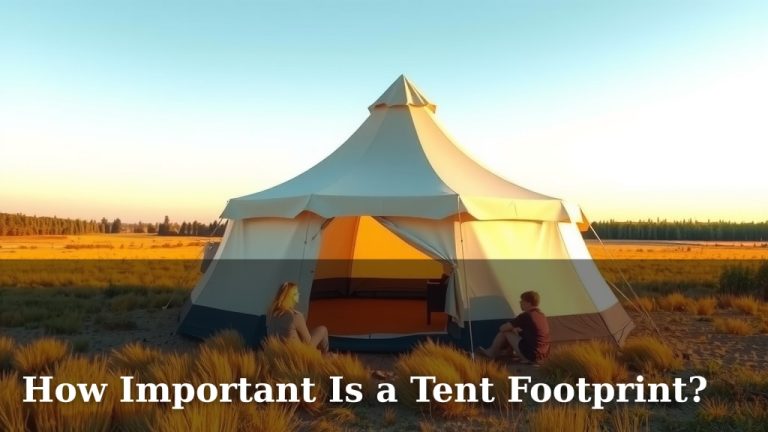
How Do SUV Tents Work?
SUV tents work by cleverly using your vehicle as a base for a larger living or sleeping space. They attach directly to your SUV’s cargo area, creating a spacious extension. This setup offers a convenient and comfortable way to camp without leaving your vehicle behind. You get more room to stretch out and enjoy the outdoors.
Think of it as adding a sturdy, weather-resistant room onto your car. These tents are designed to fit most SUV models with a rear hatch. Many feature mesh windows for ventilation and rainflys for protection. It’s a smart way to upgrade your camping experience. Your SUV becomes your campsite anchor.
- SUV tents attach to your vehicle’s cargo area.
- They create an extended living or sleeping space.
- Your SUV acts as the tent’s main support.
- Mesh windows and rainflys offer comfort and protection.
- Setup is generally straightforward for most models.
Let’s walk through exactly how these versatile camping companions function so you can decide if one is right for your next adventure.
Understanding Your SUV Tent’s Attachment System
SUV tents work by connecting to your vehicle’s cargo area. They essentially transform your SUV into a central anchor point. This creates a much larger, more comfortable living space. Think of it like adding a temporary room right onto the back of your car.
The primary connection point is usually the rear hatch or liftgate. This is where the tent fabric seals against your vehicle. It’s designed to create a snug fit. This prevents rain and bugs from getting into your camping setup.
How the Tent Interfaces with Your Vehicle
Most SUV tents use a sleeve or channel system. This sleeve is attached to the tent’s main body. You then slide your vehicle’s open liftgate into this sleeve. It’s a bit like putting a fitted sheet over your car’s rear.
This sleeve is often made of a durable, waterproof material. It needs to withstand outdoor conditions. The fit is designed to be snug, but not damaging to your vehicle’s paint. Many models include adjustable straps. These straps help to further secure the tent. They ensure a tight seal against the vehicle.
The Role of the Liftgate
Your SUV’s liftgate is a key component. When you open it, it supports a portion of the tent. This liftgate provides the initial structure. It creates the entryway into your new camping space. Some tents even have a flap. This flap covers the opening when the liftgate is closed.
The height of your liftgate is important. It determines the headroom inside the tent. Taller vehicles generally allow for more standing room. This makes moving around inside much easier. It adds to the overall comfort of your campsite.
The Tent Structure and Support
Once attached, the tent relies on poles for its shape. These poles are similar to those used in traditional camping tents. They are usually made of fiberglass or aluminum. These materials are lightweight yet strong.
The poles are inserted into sleeves or grommets on the tent fabric. This process erects the tent. It gives the tent its familiar dome or cabin shape. The vehicle provides the initial support. The poles then extend outwards to create the full structure.
Internal Pole Systems
Many SUV tents feature an internal pole system. This means the poles run inside the tent fabric. They are often color-coded. This makes assembly much simpler. You can match the poles to the corresponding sleeves.
These poles create the framework. They hold up the roof. They also define the walls of the tent. The tension from the poles keeps the fabric taut. This ensures the tent is stable and sheds water effectively.
External Pole Systems
Some designs might use an external pole system. The poles are attached to the outside of the tent. This can sometimes offer more interior space. It can also make for a quicker setup. You might clip the tent fabric to the poles.
Regardless of the system, the goal is the same. It’s to create a secure and spacious area. This area extends from your vehicle. It gives you room to sleep, relax, or store gear.
Key Features for Comfort and Protection
Beyond the basic structure, SUV tents come with features. These are designed to make your camping experience better. They focus on comfort and protection from the elements.
Ventilation and Airflow
Good ventilation is essential. SUV tents usually have large mesh windows. These windows allow for plenty of airflow. This helps to keep the tent cool. It also reduces condensation inside the tent.
Many also include mesh roof panels. These offer a view of the stars. They also contribute to airflow. Keeping the air circulating is important. It prevents that stuffy feeling. Research indicates good ventilation is key for a comfortable sleep (National Sleep Foundation).
Rain Protection
Most tents include a rainfly. This is a separate waterproof layer. It covers the main tent body. The rainfly is crucial for keeping water out. It’s designed to drape over the tent. This allows rain to run off easily.
The seams on the tent and rainfly are often taped. This seals any potential entry points for water. The material itself is usually water-resistant. It’s important to check the waterproof rating. Higher ratings mean better protection.
Insect Protection
The mesh windows and doors are fine enough. They keep out most insects. This means you can enjoy fresh air. You won’t have to worry about mosquitoes or flies. This is a major advantage over sleeping in an open vehicle.
The zipper systems are also designed to seal tightly. This prevents bugs from crawling in. It creates a safe haven. You can relax without constant buzzing.
Setting Up Your SUV Tent: A Checklist
Getting your SUV tent ready is usually straightforward. Here’s a quick look at the typical steps involved:
- Unpack all tent components.
- Identify the main tent body and poles.
- Open your SUV’s rear liftgate.
- Slide the liftgate into the tent’s sleeve.
- Assemble and insert the tent poles.
- Secure the tent with stakes and guy lines.
Following the manufacturer’s instructions is always best. They can provide specific details for your model. Most setups can be completed by one or two people. It doesn’t require special skills. You’ll be ready to relax in no time.
Conclusion
You’ve learned how SUV tents create a comfortable camping extension. They cleverly use your vehicle’s cargo area as a base. The liftgate provides structural support. Poles then shape the tent for your living space. Features like mesh windows and rainflys ensure comfort and protection. You can now confidently choose an SUV tent for your next trip. Your next adventure awaits with expanded living space right at your campsite!
Frequently Asked Questions
Will an SUV tent fit any vehicle?
Most SUV tents are designed to fit a wide range of SUVs with a rear liftgate. However, it’s always best to check the specific dimensions and compatibility list provided by the manufacturer. This ensures a snug fit for your vehicle model.
How do I ensure the tent won’t damage my SUV’s paint?
Reputable SUV tents use soft, durable materials for their sleeves and straps. These are designed to create a seal without scratching or harming your vehicle’s paint. Some manufacturers even recommend using a clear protective film where the tent makes contact.
Can I still access my SUV’s interior from the tent?
Yes, many SUV tents are designed with this in mind. Some feature a flap or zipper system that allows you to access your vehicle’s interior directly from the tent. This is convenient for grabbing gear or for shelter during bad weather.
How long does it typically take to set up an SUV tent?
For most models, setup can take anywhere from 15 to 30 minutes. The process is similar to setting up a traditional tent, with the added step of attaching the vehicle sleeve. Color-coded poles and clear instructions make it simpler.
Are SUV tents waterproof and suitable for rain?
Most SUV tents are made with water-resistant materials and feature rainflys for added protection. Taped seams also help prevent water leakage. While they can handle moderate rain, extreme downpours might require additional precautions.

![7 Best Tent Camping Washington [2026]](https://leonardhomeoutdoor.com/wp-content/uploads/2026/09/7-best-tent-camping-washington-2026-featured-768x432.jpg)