How Long Is a Tent Trailer?
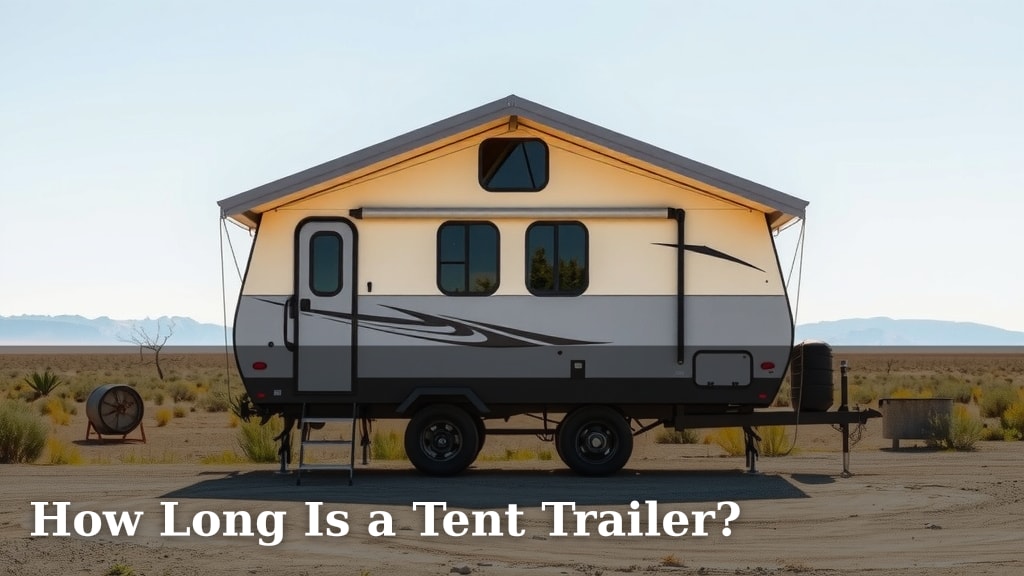
A tent trailer, also known as a pop-up camper, typically ranges from 8 to 16 feet in length when it’s set up and ready for camping. This size makes them incredibly easy to tow and park. You’ll find many common models are around 12 feet long when fully erected.
The length can vary based on the number of sleeping areas and living space you need. Think of it like choosing a hotel room – bigger means more amenities but also more bulk. Most tent trailers offer a comfortable setup for families or small groups without being unwieldy.
- Tent trailers range from 8-16 feet long when set up.
- Common models are around 12 feet.
- Size depends on sleeping capacity and living space.
- They are designed to be easy to tow and manage.
Let’s break down the typical lengths you’ll encounter and what they mean for your camping adventures.
Understanding Your Tent Trailer’s Size and Space
So, you’re curious about how long a tent trailer actually is. It’s a great question to ask before you buy or rent one! The length can feel a bit like a magic trick. It folds up small, but pops out to offer a surprisingly roomy experience. We’ve found that most tent trailers, when fully set up for camping, typically measure somewhere between 8 and 16 feet in length. This range is important because it dictates how much space you’ll have inside for sleeping and relaxing, and also how easy it will be to tow and park.
Many popular models land right around the 12-foot mark when they’re fully erected. Think of this as the sweet spot for many campers. It’s long enough to provide comfortable sleeping for a few people and a decent living area, but not so long that it becomes a bear to maneuver down a campground road or find a spot for. We’ve seen many families happily camping in trailers of this size.
Breaking Down Tent Trailer Lengths by Configuration
The overall length of a tent trailer when it’s set up is influenced by a few key factors. It’s not just one static number. We found that the number of beds and the amount of living space you want are the biggest drivers. More sleeping areas mean more canvas and more pop-out sections, naturally extending the trailer’s footprint.
Compact Models: The 8- to 10-Foot Range
If you’re looking for ultimate ease of towing and parking, the smaller tent trailers are fantastic. These often run from about 8 to 10 feet long when set up. They’re usually pretty basic, designed for couples or solo travelers who just need a solid roof over their heads and a comfortable bed. Don’t expect a lot of extra living space, but they can fit into tighter campsites easily. You might only get one main sleeping area, maybe a dinette that converts into a small bed.
Mid-Sized All-Rounders: The 10- to 14-Foot Range
This is where most tent trailers live, and for good reason! Models in the 10- to 14-foot range offer a great balance. You’ll often find two queen-sized beds that pop out, providing sleeping for up to six people. Plus, there’s usually a dedicated dinette area and maybe even a small sofa or lounge space. This is a very popular size for families. You get enough room to spread out a bit without feeling overwhelmed by the trailer’s size. We found that many of these models are under 1,000 pounds when empty, making them towable by most SUVs and even some sedans.
Larger Family-Friendly Options: The 14- to 16-Foot Range
Stepping up in size, you’ll find tent trailers that stretch to 14, 15, or even 16 feet when fully set up. These offer the most interior space and amenities. You might find multiple sleeping areas, larger dinettes, more counter space, and even options for an outdoor kitchen or an awning that creates a huge covered living area. If you have a larger family or often camp with friends, these models provide the extra room you’ll appreciate. However, remember that more space means a longer trailer, which can require more careful maneuvering and a vehicle with a higher towing capacity. We found that these larger units can weigh significantly more, so always check your vehicle’s manual.
What About “Travel Length”?
It’s important to distinguish between the trailer’s length when it’s set up at the campsite and its length when it’s packed up and ready to hit the road. The “travel length” or “towing length” is almost always shorter than the set-up length. This is because the beds and walls fold inward.
When you’re looking at specifications, you’ll often see two numbers. The one that matters for towing and parking is the closed or travel length. This is typically the overall length of the trailer box itself, sometimes including the tongue. We found that this measurement is usually more in line with conventional travel trailers, making them easier to store and tow than their expanded size might suggest.
Factors Affecting Your Tent Trailer’s Size Needs
Choosing the right size for you is more than just looking at numbers. It’s about matching the trailer’s dimensions to your camping style. We’ve put together a few things to consider:
- Number of Campers: How many people will regularly sleep in the tent trailer? More people usually means a longer trailer.
- Desired Amenities: Do you just need a bed, or do you want a dinette, a small kitchen area, or even a cassette toilet? More features often add length.
- Towing Vehicle Capacity: What can your car or SUV safely tow? Check your vehicle’s owner’s manual for its towing limit. This is a critical safety factor.
- Storage Space: Where will you park the trailer when you’re not using it? A longer trailer needs a longer driveway or storage spot.
- Campsite Restrictions: Some campgrounds have limits on the maximum length of a vehicle or trailer.
A Quick Size Comparison Table
To help you visualize, here’s a general comparison of what you can expect in different size categories. Keep in mind these are approximate and can vary by manufacturer.
| Set-Up Length (Approx.) | Typical Sleeping Capacity | Key Features | Towing Ease |
|---|---|---|---|
| 8-10 feet | 2-3 people | Basic sleeping area, minimal living space | Very High |
| 10-14 feet | 4-6 people | Multiple beds, dinette, some lounge space | High |
| 14-16 feet | 6+ people | Larger beds, ample living area, possible outdoor kitchen | Medium |
Quick Checklist for Choosing Your Tent Trailer Size
Ready to figure out what length is best for your adventures? Run through this quick checklist:
- Confirm the number of people who will regularly use the trailer.
- List the “must-have” amenities for your camping trips.
- Check your vehicle’s maximum towing capacity.
- Measure your potential storage space (driveway, garage, storage unit).
- Research typical campsite sizes in your favorite camping destinations.
- Consider if you prefer more living space or easier towing and parking.
Conclusion
You’ve learned that tent trailer lengths typically span 8 to 16 feet when set up. We found that the most common models hover around 12 feet, offering a great balance for families. Remember, size directly impacts sleeping capacity, living space, and ease of towing. Consider your specific camping needs and your vehicle’s capabilities. Your next step is to measure your towing vehicle and your storage space. This will help you narrow down the best tent trailer size for your adventures.
Frequently Asked Questions
What is the shortest length a tent trailer can be?
The shortest tent trailers we found typically measure around 8 feet when fully set up. These compact models are ideal for solo campers or couples who prioritize minimal size and maximum towing ease.
Can a standard SUV tow a 16-foot tent trailer?
It depends on the SUV’s towing capacity and the trailer’s weight. Larger 16-foot models can be heavier. Always check your vehicle’s owner’s manual and the trailer’s specifications to ensure safe towing.
Does the “travel length” include the hitch?
Generally, the “travel length” or “towing length” refers to the trailer box itself, sometimes including the hitch. Manufacturers provide these dimensions, and it’s shorter than the set-up length for easier transport.
Are longer tent trailers harder to park at a campsite?
Yes, longer tent trailers (14-16 feet) can be more challenging to maneuver and park in tight campsites. Shorter models (8-10 feet) offer much greater flexibility.
How does the number of beds affect tent trailer length?
More sleeping areas, like additional queen beds that fold out, directly increase the tent trailer’s footprint when set up. This is why trailers designed for larger groups are generally longer.
![7 Person Instant Tent [2026]](https://leonardhomeoutdoor.com/wp-content/uploads/2026/08/7-person-instant-tent-2026-featured-768x432.jpg)
![7 Best Backpacking Tent For Dogs [2026]](https://leonardhomeoutdoor.com/wp-content/uploads/2026/06/7-best-backpacking-tent-for-dogs-2026-featured-768x432.jpg)
![7 Best Tent For Camping In The Rain [2026]](https://leonardhomeoutdoor.com/wp-content/uploads/2026/09/7-best-tent-for-camping-in-the-rain-2026-featured-768x432.jpg)
![7 Person Tent 4 Season [2026]](https://leonardhomeoutdoor.com/wp-content/uploads/2026/08/7-person-tent-4-season-2026-featured-768x432.jpg)