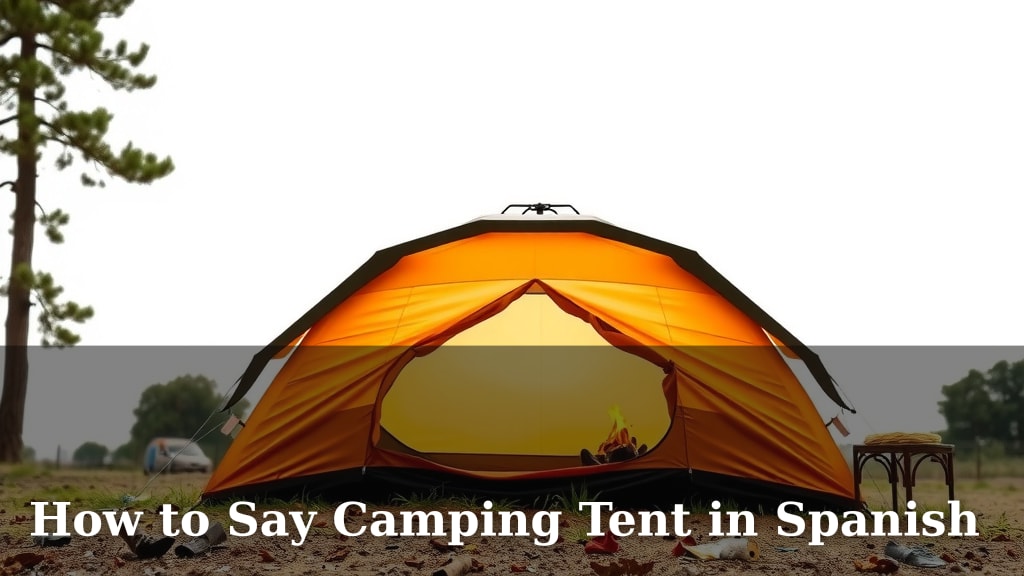
How to Say Camping Tent in Spanish
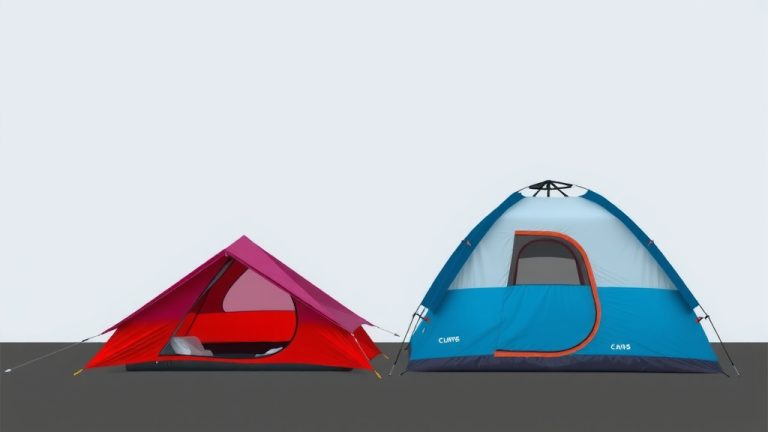
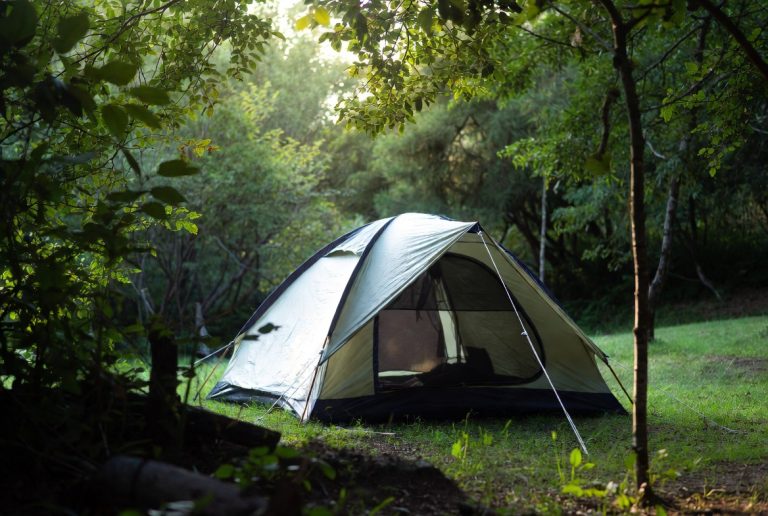
Planning a trip and want to talk about camping gear in Spanish? You’ll want to know the word for “tent.” The most common way to say camping tent in Spanish is la tienda de campaña. You can also use la carpa, especially in Latin America. Both terms are widely understood by Spanish speakers. Knowing these words makes camping conversations much easier.
Understanding these terms helps you with more than just buying a tent. It allows you to ask for directions to a campsite or discuss sleeping arrangements. Many Spanish-speaking countries have beautiful national parks. Being able to ask about a tienda de campaña or carpa can enhance your travel experience. It shows you’re making an effort to connect.
- The main Spanish word for camping tent is la tienda de campaña.
- Another common word, especially in Latin America, is la carpa.
- Both are easy to remember and use.
- Knowing these words is helpful for travelers.
Let’s look at the different ways you can use these words and some related terms you might find useful on your next adventure.
Talking About Tents in Spanish: Key Phrases
So, you’ve got the Spanish word for camping tent down: la tienda de campaña and la carpa. That’s fantastic! But what if you need to ask a question or describe your tent? We found that knowing a few extra phrases can really boost your confidence on your trip.
Understanding the Basics: Gender and Articles
In Spanish, every noun has a gender: masculine or feminine. This affects the article you use before it (like “a” or “the”). Both tienda and carpa are feminine nouns. That’s why we say la tienda or la carpa.
Think of it like in English where we say “a car” or “the car.” Spanish is similar, but it always has a gender. For tents, you’ll always use la, which is the feminine definite article. This little detail helps you sound more natural.
“La Tienda de Campaña”: The Most Common Choice
La tienda de campaña is your go-to phrase for a camping tent. It literally translates to “tent of campaign” or “tent of the field.” It’s universally understood across the Spanish-speaking world. You can use it in Spain, Mexico, Argentina, or anywhere else. We found this phrase to be the most widely recognized.
Using “La Tienda de Campaña” in Sentences
Let’s practice putting it into sentences. If you’re asking someone where to buy a tent, you might say:
¿Dónde puedo comprar una tienda de campaña? (Where can I buy a tent?)
Or, if you’re describing your own tent:
Mi tienda de campaña es azul. (My tent is blue.)
Remember to use una (a) when talking about any tent. Use la (the) when talking about a specific tent.
“La Carpa”: A Popular Alternative
La carpa is another very common word, especially in many parts of Latin America. You’ll hear it frequently in countries like Mexico, Peru, and Chile. While la tienda de campaña is always safe, knowing la carpa will help you connect with locals more easily.
Many travelers we’ve spoken with mentioned using la carpa frequently when visiting South America. It’s a shorter, punchier word. It’s just as correct as la tienda de campaña. It’s important to know both!
“La Carpa” in Action
Here’s how you might use la carpa in a sentence:
Necesito una carpa para acampar. (I need a tent for camping.)
If you’re setting up camp and someone asks about your gear:
Voy a poner mi carpa aquí. (I’m going to set up my tent here.)
Just like with tienda, you use la for “the” and una for “a.” The gender stays feminine.
Regional Differences: It’s Good to Know Both!
While both terms are widely understood, you might notice a preference in different regions. Think of it like how Americans say “sneakers” and Brits say “trainers.” Both mean the same thing.
We found that la tienda de campaña is generally considered the more formal or standard term. La carpa is often more colloquial. However, this isn’t a strict rule. Many experts say that context and the specific country you’re in play the biggest role (Instituto Cervantes).
For example, if you’re in Spain, tienda de campaña might be heard more often. If you’re in Mexico, carpa is very common. But don’t worry too much! If you say la carpa in Spain, people will understand you mean a tent. If you say tienda de campaña in Mexico, it will also be clear.
Beyond the Tent: Related Camping Vocabulary
Knowing how to say “tent” is a great start. But what else might you need when you’re talking about camping in Spanish? Here are a few more useful words we found:
- Acampar: To camp. This is the verb form.
- El camping: The campsite. This is where you’ll set up your tent.
- Dormir: To sleep. Essential for tent life!
- La mochila: Backpack. You’ll likely carry your tent in one.
- El saco de dormir: Sleeping bag. Cozy for sleeping inside your tent.
These words will help you describe your plans and your gear more fully. Imagine asking:
¿Hay un buen lugar para acampar cerca? (Is there a good place to camp nearby?)
Or telling a friend:
Voy a dormir en mi tienda de campaña. (I’m going to sleep in my tent.)
Choosing the Right Term for Your Trip
So, which word should you use? Our research suggests that using la tienda de campaña is always a safe bet. It’s the most formal and widely understood term. However, if you’re in a region where la carpa is common, using it can help you sound more natural and connect with locals.
Think of it this way: you can never go wrong with the direct translation, but knowing the local flavor is a bonus! It shows you’ve done your homework. Plus, it’s fun to learn linguistic differences.
Quick Checklist for Your Spanish Camping Vocabulary
Here’s a little reminder to help you remember the key terms:
- Remember la tienda de campaña is your main word.
- Know that la carpa is also very common, especially in Latin America.
- Both are feminine, so always use la or una.
- Practice saying the phrases out loud.
- Don’t be afraid to use either word; most people will understand.
- Adding related words like acampar will help you converse more.
| Term | Common Usage | Meaning |
|---|---|---|
| La tienda de campaña | Universal (especially Spain) | Camping tent (formal/standard) |
| La carpa | Latin America (common) | Tent (colloquial/common) |
This table shows the main difference, but remember, overlap is huge. Many experts agree that the intent behind your words matters most (Real Academia Española).
Conclusion
You’ve learned the two primary ways to say “camping tent” in Spanish: la tienda de campaña and la carpa. Remember that la tienda de campaña is your universally understood, go-to phrase. Meanwhile, la carpa is a fantastic, common alternative, especially in Latin America. Both are feminine nouns, so you’ll always use la or una. Being aware of these terms will make your camping trips and conversations much smoother. Now, practice these words and get ready for your next adventure!
Frequently Asked Questions
Which Spanish word for tent is more common?
La tienda de campaña is the most widely understood term across all Spanish-speaking regions. However, la carpa is very frequently used and often preferred in many Latin American countries. You can confidently use either, but knowing both helps you sound more natural.
Do I need to worry about masculine vs. feminine for these tent words?
No, you don’t need to worry too much! Both tienda and carpa are feminine nouns. This means you will always use the feminine article la (the) or una (a) before them when speaking about a tent.
Can I use “tienda de campaña” in Mexico?
Yes, absolutely! While la carpa is very common in Mexico, people will fully understand you if you use la tienda de campaña. Spanish speakers are generally accustomed to regional variations in vocabulary.
Is “la carpa” only used for camping tents?
While la carpa is commonly used for camping tents, especially in Latin America, it can also refer to other types of tents, like a circus tent or a larger event tent. However, in the context of camping, it’s understood to mean a camping tent.
What’s the best way to practice these Spanish tent words?
The best way to practice is to say them out loud! Try forming simple sentences like “Necesito una tienda de campaña” or “Vamos a poner la carpa.” You can also try describing your tent in Spanish using colors or sizes to reinforce the vocabulary.