
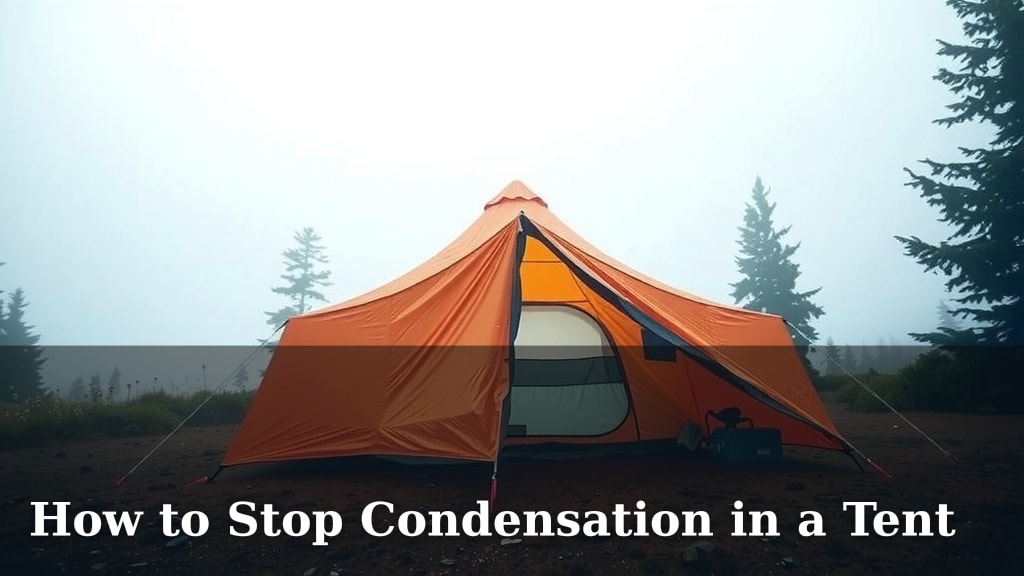
How to Stop Condensation in a Tent
You can stop condensation in your tent by **improving ventilation** and **managing moisture inside**. This means opening vents, using a rainfly, and being mindful of what you bring inside. Properly preparing your tent makes a huge difference for a dry and comfortable camping trip.
Condensation happens when warm, moist air inside your tent meets cooler outside air. This creates water droplets on your tent walls. Understanding the causes helps you **prevent that soggy feeling** and enjoy the outdoors more. We’ve found several easy ways to combat this common camping issue.
- Open tent vents!
- Use your rainfly properly.
- Wipe down wet gear.
- Consider a small towel for the floor.
- Avoid cooking inside.
Let’s walk through the best strategies to keep your tent dry and cozy, no matter the weather outside. We’ll cover everything from setup to simple habits that make a big impact.
Keeping Your Tent Dry: Tackling Tent Condensation
Condensation can turn a cozy camping trip into a damp disaster. Luckily, you can significantly reduce or eliminate tent condensation. It’s all about understanding why it happens and taking a few smart steps before and during your trip. Let’s get your tent feeling like a dry sanctuary.
Understanding the Science of Tent Sweat
Ever wondered why your tent feels like a mini-sauna on the inside? It’s basic science! Your breath, any cooking you do, and even moisture from your gear all add water vapor to the air inside your tent. When this warm, moist air touches the cooler fabric of your tent, especially at night when temperatures drop, it cools down. This cooling causes the water vapor to turn back into liquid water – condensation.
Think of a cold glass of iced tea on a warm day. The outside of the glass gets wet, right? Your tent fabric acts much the same way. The cooler outside air chills your tent walls. Inside, the warmer, humid air then condenses onto these cooler surfaces. Many campers find this happens most often in the spring and fall when the temperature difference between day and night is more extreme (CDC).
Common Culprits Behind Condensation
Several things contribute to that clammy feeling inside your tent. Your own body is a major source of moisture. We exhale water vapor continuously, and campers collectively add a lot of moisture to a tent overnight. If you’re camping with a partner or even two, that’s double the breath!
Other activities add to the moisture load. Cooking inside your tent, even with a small stove, releases steam. Drying wet clothes or gear inside also contributes. Even seemingly dry items can release residual moisture. The more moisture you introduce, the more condensation you’re likely to face.
Boosting Ventilation: Your First Line of Defense
The simplest and most effective way to fight condensation is to improve airflow. Think of your tent like a greenhouse; without ventilation, heat and moisture build up. Keeping air moving helps to vent that moist air out and bring drier air in.
Smart Use of Tent Vents
Most modern tents come with built-in vents, often on the roof or near the top of the walls. These are your best friends in the battle against condensation. Make sure you open all available vents before you zip up for the night.
Don’t be shy about using them, even if it’s a little chilly. A bit of cool air moving through is far better than a tent full of water droplets. We found that even just opening the rainfly’s vent flaps can make a noticeable difference. Some tents have adjustable vents, so you can tweak them based on the outside temperature and wind.
The Crucial Role of Your Rainfly
Your rainfly isn’t just for keeping rain out; it plays a vital role in ventilation. Many rainflies are designed to create a small air gap between themselves and the inner tent body. This gap is essential for airflow.
Ensure your rainfly is pitched correctly, with good tension, and that it doesn’t sag or touch the inner tent. When the rainfly is tight and well-ventilated, it allows moisture to escape from the inner tent and be carried away by the wind. Many experts recommend keeping the rainfly’s own vents open as well (NPS).
Managing Moisture Inside Your Tent
Beyond ventilation, actively managing moisture within your tent is key. This involves being mindful of what enters your tent and how you handle wet items.
Dealing with Wet Gear
It’s tempting to toss your wet hiking boots or damp jacket inside your tent after a rainy day. Resist this urge! Wet gear is a prime source of moisture. Keep as much wet gear as possible outside your tent, ideally under a tarp or in a vestibule if your tent has one.
If you absolutely must bring something damp inside, try to wipe off excess water first. A small towel can be very useful for this. Even a quick wipe-down can reduce the amount of moisture released into the tent air.
Wiping Down Interior Surfaces
Despite your best efforts, some condensation might still form. If you notice droplets forming on the tent walls, a small, quick-drying towel can be a lifesaver. Keep one handy to wipe down the inside surfaces of your tent before bed or first thing in the morning.
This simple act removes collected water, preventing it from dripping on you or your sleeping bag. It also reduces the overall humidity inside. Many campers swear by a dedicated microfiber towel for this purpose.
Flooring and Small Towels
The tent floor can also collect moisture, especially if you’re camping on damp ground. While most tent floors are waterproof, condensation can still form on them. Placing a small, absorbent towel on the tent floor can help soak up stray drips and moisture, keeping your sleeping area drier.
The “No Cooking Inside” Rule
We know it’s convenient, but cooking inside your tent is a major contributor to condensation. The steam and heat generated by cooking significantly increase the humidity. Plus, it’s a serious fire hazard. Always try to cook in a well-ventilated area outside your tent.
Quick Checklist for a Drier Tent
Here’s a quick rundown to help you remember the essentials:
- Open all tent vents before bedtime.
- Ensure your rainfly is pitched properly and not touching the inner tent.
- Keep wet gear outside your tent or in the vestibule.
- Wipe down any interior condensation you see.
- Avoid cooking or drying clothes inside.
- Consider a small towel for interior drips.
Conclusion
You’ve learned that tent condensation is a common problem, but it’s definitely manageable. By focusing on ventilation and moisture control, you can transform your camping experience from damp to delightful. Remember to always open those vents, properly pitch your rainfly, and keep wet gear outside. Small habits like wiping down your tent and avoiding cooking inside make a huge difference. Don’t let a little moisture ruin your adventure; take these simple steps to ensure a dry and comfortable night’s sleep under the stars.
Frequently Asked Questions
How can I prevent condensation if it’s cold outside?
Even in cold weather, ventilation is key. Open your tent vents as much as possible, even if it’s just a crack. This allows the moist air from your breath to escape, preventing it from condensing on the cold tent fabric.
Does the type of tent material affect condensation?
Yes, some materials are more breathable than others. Tents made with more breathable fabrics can help reduce condensation buildup by allowing moisture to escape more easily. However, proper ventilation techniques are still the most important factor.
What’s the best way to deal with condensation if I forgot to open my vents?
If you wake up to condensation, grab a quick-drying towel. Wipe down the interior walls and ceiling of your tent to remove the water droplets. This prevents them from dripping on you and helps reduce humidity for the rest of the day.
Can a fan help reduce condensation in my tent?
A small, battery-powered fan can help circulate air within your tent, aiding ventilation. While not a replacement for opening vents, it can boost airflow and help move moist air away from tent surfaces, especially in larger tents.
Should I leave my tent door open at night for ventilation?
Leaving your tent door completely open might compromise security and privacy, and could let in bugs. It’s generally better to rely on your tent’s built-in vents and rainfly adjustments for airflow. If your tent has a mesh inner door, you can zip that shut and leave the outer rainfly door partially or fully open for ventilation, weather permitting.
![7 Best Backpacking Tent For Couples [2026]](https://leonardhomeoutdoor.com/wp-content/uploads/2026/06/7-best-backpacking-tent-for-couples-2026-featured-768x432.jpg)
![7 Season Tents For Camping [2026]](https://leonardhomeoutdoor.com/wp-content/uploads/2026/08/7-season-tents-for-camping-2026-featured-768x432.jpg)
![7 Best Cot Tent 2p Kakadu [2026]](https://leonardhomeoutdoor.com/wp-content/uploads/2026/08/7-best-cot-tent-2p-kakadu-2026-featured-768x432.jpg)