Quarter Dome vs Half Dome Tent: Which Geometry Wins for Backpacking?
When you’re standing in a gear shop staring at rows of tents, you might notice something interesting: they come in all sorts of shapes. Some look like igloos, others resemble sleek spaceships, and then there are those peculiar dome-shaped designs that make you wonder what the difference really is. Today, we’re diving deep into two specific tent geometries that confuse a lot of backpackers: the quarter dome and the half dome. If you’ve ever asked yourself which one is actually better for your next outdoor adventure, you’re in the right place.
Understanding Tent Geometry Basics
Before we jump into the specifics, let’s talk about why tent shape matters at all. Think of tent geometry like the foundation of a house—it influences everything from how stable the structure is to how much usable space you get inside. Different shapes handle wind differently, provide varying amounts of headroom, and affect how weight is distributed across your backpack.
The dome family of tents is popular because curved surfaces naturally shed weather and distribute stress evenly. But when we start slicing up that dome shape, we get different variations, and that’s where our quarter dome and half dome friends come in. Let me explain what makes each one unique.
What Exactly Is a Half Dome Tent?
A half dome tent is exactly what the name suggests: imagine taking a sphere and cutting it in half along the center. What you’re left with is a tent that looks like a dome when viewed from the side, but it has a completely flat back wall where that cut would be. This flat back wall typically gets set up against a rock wall, tree, or some other natural feature in your camping spot.
The Design Philosophy Behind Half Domes
The half dome design emerged from a practical need to save weight without completely sacrificing protection. Climbers and mountaineers loved these tents because they could shave off pounds by eliminating one entire half of the dome structure. If you’re hauling gear up a vertical cliff face, those extra ounces matter tremendously.
Half Dome Advantages
- Significantly lighter than full domes—we’re talking 20 to 30 percent weight savings
- Lower profile, making them more wind-resistant in exposed areas
- Lower packed size, freeing up backpack space for other essentials
- Generally more affordable than comparable full dome models
- The open back design can provide excellent ventilation on mild nights
Half Dome Disadvantages
- Requires a suitable backing surface—you can’t just pitch it anywhere
- Limited weather protection if there’s wind from the back
- Less privacy since one side is essentially open
- Interior space feels cramped compared to full domes of similar length
- Condensation management can be trickier without proper airflow
What Is a Quarter Dome Tent?
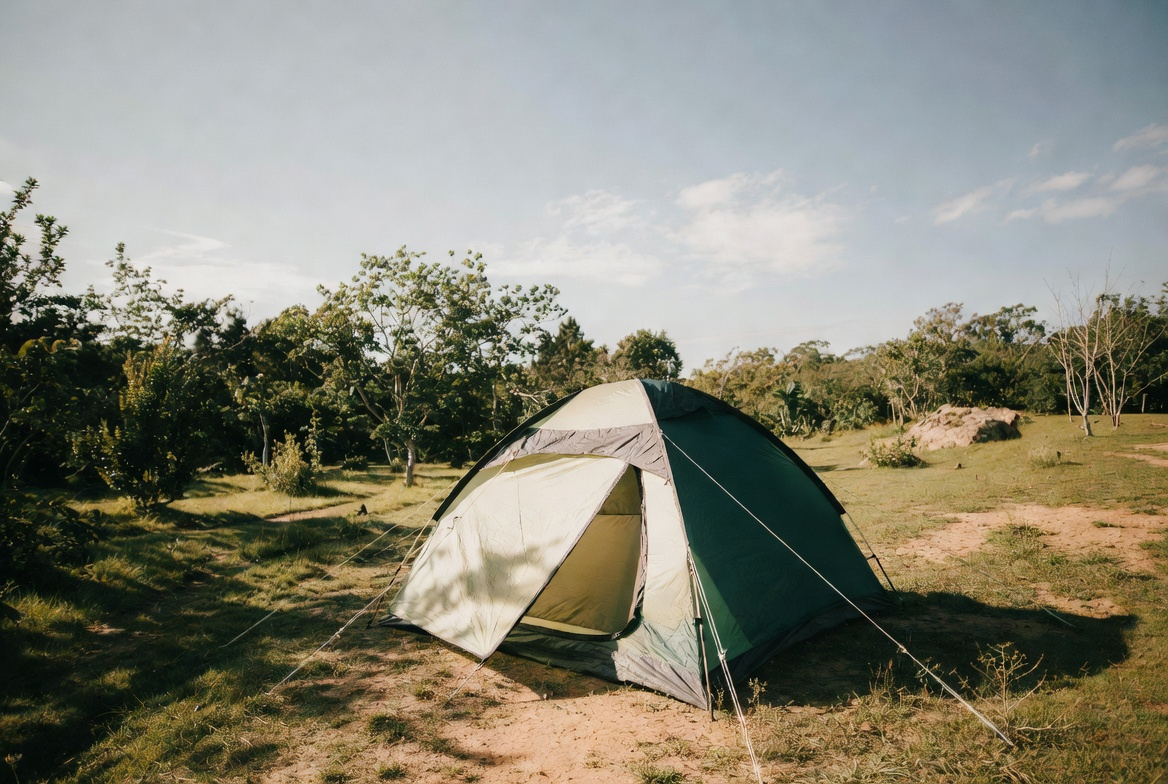
Now, a quarter dome takes this concept one step further. Instead of cutting the dome in half, imagine cutting it into quarters. You’re left with a tent that has even less structural material, resulting in something that looks more like a curved wedge when you view it from above. It’s somewhere between a traditional tent and that half dome we just discussed.
The Evolution of Quarter Dome Design
Quarter domes represent the evolution of ultralight backpacking. They emerged as designers kept pushing the boundaries of how minimal you could go while still maintaining a functional shelter. Brands like Big Agnes brought this design into the mainstream, and hikers obsessed with keeping pack weight low took notice immediately.
Quarter Dome Advantages
- Extreme weight savings—these are among the lightest tent options available
- Minimal packed size—perfect for minimalist backpackers
- Adequate weather protection with proper pitching technique
- More affordable entry point for ultralight camping
- Easier to pitch in variable terrain because they don’t require a backing surface
- Surprisingly spacious interior considering how little material is used
Quarter Dome Disadvantages
- Requires precise pitching—sloppy setup compromises protection
- Lower headroom in certain areas due to sloped walls
- Can feel claustrophobic for taller individuals or those with gear inside
- Wind from certain angles might create flapping issues
- Condensation can accumulate on interior fabric if ventilation isn’t optimized
Direct Comparison: Head-to-Head Analysis
Weight Considerations
This is where quarter domes really shine. A quality quarter dome might weigh as little as 2 to 2.5 pounds for a two-person model, while a comparable half dome could be 2.8 to 3.2 pounds. That might not sound like much, but when you’re walking 10 miles through mountainous terrain, every ounce counts. If you’re a weekend car camper, this difference probably won’t matter to you. But if you’re thru-hiking the Appalachian Trail, you’ll feel the difference in your knees and feet by day three.
Weather Protection and Durability
Here’s where things get interesting. Half domes, with their more substantial structure and larger footprint, actually provide better all-around weather protection. They handle wind from multiple directions more gracefully, and they shed rain more effectively. Quarter domes, being more minimalist, require you to pitch them more carefully to achieve the same level of protection. Think of it like this: half domes are the reliable sedan, while quarter domes are the sports car—they’re capable in the right hands, but they demand more skill from the driver.
Interior Space and Comfort
Half domes win this category without question. Because they maintain a domed shape across the entire roof, you get more usable headroom and a more spacious feeling interior. Quarter domes sacrifice some of this comfort for weight savings. You’ll have adequate space, but you might find yourself sitting at an angle or moving around in that slightly hunched position that comes with minimalist shelter designs.
Versatility and Site Selection
Quarter domes are more versatile. You don’t need a convenient rock wall, fallen log, or natural windbreak to set up camp. Half domes essentially require you to find a suitable backing feature, which limits where you can camp. If you’re hiking in areas with dense forest coverage, this might not be an issue. But if you’re exploring alpine terrain or wide-open meadows, the quarter dome’s ability to work anywhere becomes a real advantage.
Seasonal Performance Comparison
Summer and Three-Season Use
Both designs work beautifully during warmer months. Quarter domes actually have an edge here because their minimal design means less interior volume to heat up in mild weather, and the open construction provides excellent ventilation. Half domes work fine too, but you might find yourself dealing with more condensation if you don’t manage airflow properly.
Winter and Four-Season Camping
If you’re planning serious winter camping, half domes become the safer choice. Their more enclosed structure and greater interior volume make it easier to manage snow loads and create a more habitable space during extended cold weather. Quarter domes can handle winter conditions, but you’re working with less margin for error.
Cost Analysis
Quarter domes generally cost less than half domes because they use less material. A quality quarter dome might run you $250 to $400, while half domes typically range from $300 to $500. This price difference isn’t enormous, but it’s worth considering if you’re on a budget. That said, you might find better long-term value in a half dome if you plan to use the tent in varied conditions—you’ll spend less time troubleshooting and more time enjoying your hike.
Real-World Scenarios: When to Choose Which
Pick a Quarter Dome If:
- You’re hiking the Pacific Crest Trail or another long-distance backpacking route where every ounce matters
- You value minimalism and don’t mind the learning curve of precise tent setup
- Your hiking typically occurs in three-season conditions during mild weather
- You frequently camp in areas without natural windbreaks or backing features
- You’re a solo backpacker who doesn’t need much interior space
- Budget is a concern and you want ultralight performance on a smaller investment
Pick a Half Dome If:
- You want a tent that performs well in variable conditions with less setup finesse required
- You tend to camp in areas with natural windbreaks and backing features like rock walls or dense trees
- Interior comfort and headroom matter more to you than shaving ounces
- You’re planning winter camping or four-season expeditions
- You prefer a more spacious interior for longer camping trips where you’ll spend significant time inside
- You value a lower learning curve and more forgiving setup process
The Ventilation Factor
Both designs handle ventilation differently, and this matters more than you might think. Quarter domes, with their minimal wall structure, naturally allow air circulation that prevents condensation buildup. Half domes have more interior volume, which means moisture can accumulate if you’re not careful about airflow management. That said, modern half domes include vents and mesh panels that make condensation management easier. Neither design is inherently superior in this regard—they’re just different approaches to the same problem.
Pitching Technique and Setup Time
Quarter domes require more precision during setup. You need to tension the fabric correctly to achieve proper structural integrity and weather protection. Half domes are more forgiving—their shape is stable even if you’re not perfectly precise with your pitching. If you’re exhausted after a long day of hiking, the half dome’s more forgiving setup might appeal to you. If you enjoy the ritual of careful tent setup and don’t mind taking a few extra minutes, the quarter dome won’t bother you.
Long-Term Value and Durability
Both designs, if purchased from reputable manufacturers, will last many years of regular use. Quarter domes might require slightly more vigilant maintenance since the thin fabric is more susceptible to punctures from sharp sticks or rocks. Half domes, with their more substantial construction, are slightly more forgiving of rough treatment. Neither is dramatically more durable than the other—proper care matters more than the design itself.
Making Your Final Decision
Choosing between a quarter dome and a half dome ultimately comes down to your hiking style, your local camping conditions, and what you value most in a shelter. Ask yourself these questions: How far do I typically hike? What’s the terrain like where I camp? How important is weight to me? Do I have adequate skills and patience for precise tent setup? Would I rather spend time optimizing my setup or just want something reliable and straightforward?
There’s no objectively “better” tent here—only the tent that’s better for you. A quarter dome in the hands of someone who doesn’t want to learn proper pitching technique will frustrate them constantly. A half dome for someone who’s obsessed with minimizing weight might feel like dead weight dragging them down. Match the tent to your goals, not the other way around.
Conclusion
The quarter dome versus half dome debate doesn’t have a universal answer because backpacking isn’t one-size-fits-all. Quarter domes represent the pinnacle of ultralight design philosophy—they strip away everything unnecessary and force you to get good at the fundamentals of tent camping. They’re lighter, cheaper, and more versatile in terms of site selection. Half domes acknowledge that comfort and reliability matter, offering a more spacious interior, better weather protection, and a more forgiving setup process that doesn’t require extensive practice.
If you’re starting your backpacking journey, a half dome might serve you better as you’re learning the ropes. If you’re an experienced backpacker trying to optimize your setup or embark on a long-distance trek, a quarter dome could be exactly what you need. The best tent is the one you’ll actually use, enjoy sleeping in, and feel confident pitching in challenging conditions. Consider your specific situation carefully, and you won’t go wrong with either choice.
Frequently Asked Questions
Can I use a quarter dome tent without any ground support or backing feature?
Yes, absolutely. This is one of the quarter dome’s biggest advantages. Unlike half domes, which typically need a rock wall or tree to lean against, quarter domes are freestanding designs that work anywhere you can find relatively flat ground. You’ll get better weather protection if you position the tent entrance away from prevailing winds, but you don’t need any external support structure to make the tent functional and stable.
How much weight difference is there really between quarter dome and half dome tents?
On average, you’re looking at 0.5 to 1 pound of difference for a two-person tent, with quarter domes being lighter. That translates to roughly 10 to 20 percent weight savings. Whether that’s meaningful depends on your total pack weight. If you’re carrying a 20-pound base weight, saving a pound is significant. If you’re already at 40 pounds, the difference matters less but still contributes to overall comfort on the trail.
Are quarter dome tents suitable for winter camping?
Quarter dome tents can handle winter conditions, but they’re not ideal for extreme cold weather or heavy snow. They work better in shoulder-season winter camping where temperatures drop but snow isn’t abundant. For serious mountaineering or extended winter trips with heavy snow loading, a four-season dome tent with more structural mass and interior volume is a safer choice that provides better protection and more space for winter gear management.
Do half dome tents require special camping techniques to prevent rain from entering the open back?
Half dome tents should be positioned with their open back facing away from wind direction and away from the direction rain is likely to approach from. If you’re camping on a slope, point the opening downhill. In calm conditions, this isn’t critical, but in stormy weather, positioning matters. Many half dome users also pitch a separate rain fly to cover the back opening for added protection during heavy downpours, though this adds weight and complexity to the setup.
Which tent style is better for backpackers who value comfort over ultralight performance?
Half dome tents are the better choice for comfort-focused backpackers. They offer more interior space, better headroom, and don’t require as much careful attention to setup and pitching technique. If you’d rather spend your camping evenings relaxing and reading instead of worrying about whether your tent is tensioned correctly, a half dome’s straightforward design and forgiving nature will make your trips more enjoyable and less stressful.
“`
![7 Person Ultralight Tent [2026]](https://leonardhomeoutdoor.com/wp-content/uploads/2026/08/7-person-ultralight-tent-2026-featured-768x432.jpg)