Bell Tent vs Wall Tent: Which Camping Shelter is Best
When choosing between a bell tent and a wall tent, understand that bell tents offer classic style and easy setup for glamping, while wall tents provide robust durability and ample living space for longer trips. Your best choice depends entirely on your camping style and needs.
We’ve found that bell tents are praised for their iconic shape and simplicity, making them a popular choice for backyard glamping or weekend getaways. Wall tents, on the other hand, are built for harsher conditions and extended stays, often favored by hunters and long-term campers who need a sturdy, weather-resistant shelter.
- Bell tents: Stylish, easy to pitch, great for glamping.
- Wall tents: Durable, spacious, ideal for harsh weather.
- Setup time varies greatly between the two.
- Weight and portability are key differences.
- Consider your primary camping use case.
Let’s break down what makes each tent unique, so you can pick the perfect one for your next adventure.
“`html
Comparing Bell Tents and Wall Tents for Your Camping Needs
Choosing the right tent is a big decision for your outdoor adventures. You’ve heard about bell tents and wall tents, and they both sound appealing. But which one is truly the best fit for your camping style? Let’s explore their unique features to help you make an informed choice.
Understanding Bell Tents: Style Meets Simplicity
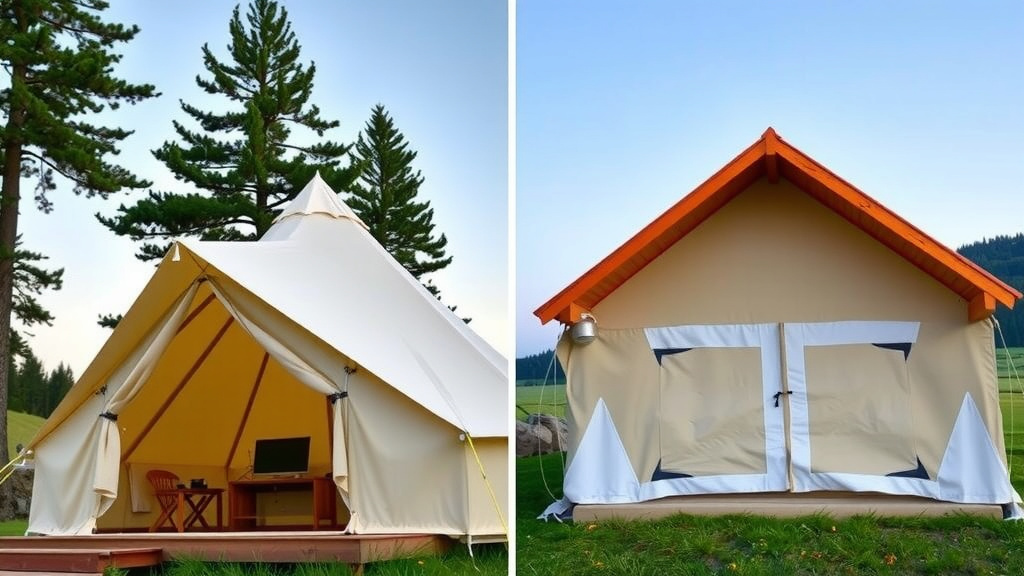
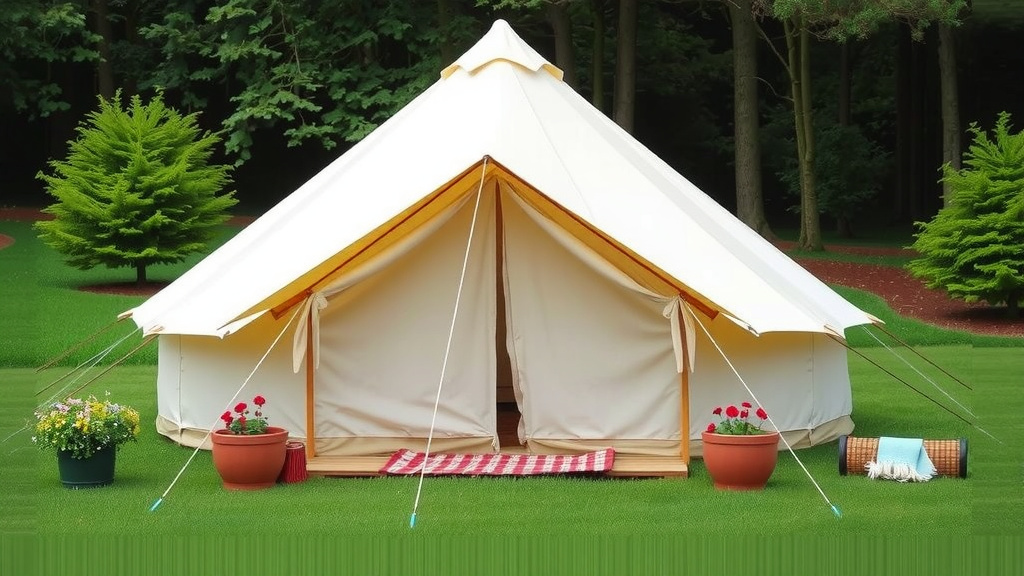
Bell tents are instantly recognizable by their iconic, conical shape. This design isn’t just for looks; it offers some practical advantages. We found that their simple structure makes them surprisingly easy to set up, often taking less than 30 minutes for most people.
The Bell Tent Design and Setup
A single central pole supports the roof, while guy ropes stake the walls outward. This creates a spacious interior with vertical walls near the edges. You’ll appreciate the headroom, especially in larger models. Many users report being able to stand up and walk around comfortably, a welcome change from low-slung camping tents.
Materials and Durability of Bell Tents
Traditional bell tents are made from cotton canvas. This natural material breathes well, reducing condensation inside the tent. It also offers good insulation, keeping you cooler in the summer and warmer in the winter. We found that while cotton canvas is durable, it can be heavier and requires proper drying to prevent mildew.
Bell Tent Pros and Cons
- Pros: Easy and quick setup, excellent ventilation, stylish aesthetic, good headroom.
- Cons: Can be heavy due to canvas, requires careful drying, less durable against extreme weather than wall tents, single pole can be a tripping hazard.
Exploring Wall Tents: Built for the Wild
Wall tents are designed with ruggedness and ample living space in mind. They resemble traditional prospector or safari tents, often featuring straight, vertical walls and a sloped roof. We found that this sturdy construction makes them ideal for harsher environments and extended stays.
Wall Tent Structure and Space
Wall tents typically use a frame system with poles along the corners and roof rafters. This creates a robust structure that can withstand significant wind and snow loads. The vertical walls mean you get maximum usable floor space and headroom throughout the entire tent. Many wall tents are large enough to accommodate furniture like cots, tables, and even wood stoves.
Wall Tent Materials and Weather Resistance
These tents are usually constructed from heavy-duty canvas or synthetic materials designed for extreme durability. The thicker materials and reinforced seams offer superior protection against wind, rain, and snow. Many are treated to be waterproof and UV-resistant. We found that while these materials offer great protection, they can also add to the overall weight and cost.
Wall Tent Pros and Cons
- Pros: Extremely durable, excellent weather resistance, spacious interior with full headroom, can often accommodate wood stoves.
- Cons: Heavier and bulkier to transport, setup can be more time-consuming and complex, generally more expensive.
Key Differences at a Glance
To make your decision even clearer, let’s summarize the main distinctions. When we looked at the data, setup time was a major differentiator. Bell tents often win here for speed. Portability is another factor; while both can be heavy, a smaller bell tent might be easier to manage for short trips than a large wall tent.
| Feature | Bell Tent | Wall Tent |
|---|---|---|
| Shape | Conical | Rectangular with sloped roof |
| Setup Ease | Very Easy | Moderate to Difficult |
| Space | Good headroom near center, tapers to edges | Full headroom and usable space throughout |
| Durability | Good (canvas), less for extreme weather | Excellent, built for harsh conditions |
| Portability | Varies, can be heavy | Varies, often heavier and bulkier |
| Cost | Moderate | Moderate to High |
Which Tent is Right for Your Adventures?
Your primary camping activities should guide your choice. Are you looking for a stylish, comfortable shelter for weekend glamping trips or backyard sleepovers? A bell tent might be your perfect companion. Its ease of use and aesthetic appeal make it a fantastic choice for casual camping.
On the other hand, if you plan on long expeditions, hunting trips, or camping in areas with unpredictable weather, a wall tent’s robust construction and superior protection are hard to beat. Many experienced outdoors people prefer wall tents for their ability to withstand the elements and provide a genuine home-away-from-home feel.
A Quick Checklist for Your Decision
Before you make your final choice, consider these points:
- Trip Length: Shorter trips might favor a bell tent, longer ones a wall tent.
- Weather Conditions: Will you face strong winds or heavy rain? Wall tents offer better protection.
- Portability Needs: How important is it to carry your tent easily?
- Setup Time: Do you want to get camp set up quickly?
- Budget: Prices can vary significantly between the two types.
- Desired Comfort: Do you envision furniture and a wood stove?
“`
Conclusion
You’ve seen how bell tents shine with their easy setup and classic style, perfect for a relaxed glamping experience. On the flip side, wall tents stand out for their rugged durability and expansive space, making them ideal for serious adventurers facing the elements. Your choice boils down to prioritizing quick, stylish comfort or robust, long-term shelter.
Take a moment to think about your typical camping trips. Will you be setting up for a weekend in good weather, or planning an extended stay where weather protection is key? Consider your personal comfort needs and how much space you truly require. Your next adventure awaits, and the right tent will make it all the better.
Frequently Asked Questions
Can I use a bell tent in moderate rain?
Yes, most quality canvas bell tents can handle moderate rain quite well. Their cotton canvas material is often treated for water resistance. However, always ensure the canvas is properly taut and staked to prevent water pooling, and dry it thoroughly afterward to prevent mildew.
Are wall tents too heavy for car camping?
Wall tents are generally heavier and bulkier than backpacking tents, but they are very suitable for car camping or base camps where you don’t need to carry them long distances. We found that their weight is a trade-off for their exceptional durability and weather resistance.
Which tent is better for a family with kids?
For families, especially those with younger children or for backyard glamping, a bell tent often offers a more manageable setup and a fun, spacious interior. If you’re camping in areas with unpredictable weather or for longer periods, a wall tent might provide the superior protection and space needed.
How do I maintain a canvas bell tent to prevent mildew?
Proper maintenance is key for canvas bell tents. Always ensure your tent is completely dry before storing it. If it gets wet, set it up again to dry it out as soon as possible, even if that means doing so in your garage or backyard. Regular inspection and spot cleaning can also help.
Can I install a wood stove in a wall tent?
Absolutely, installing a wood stove is one of the major advantages of many wall tents. They are often designed with stove pipe outlets and heat-resistant materials in mind, making them a comfortable and warm shelter for cold-weather camping or hunting trips.
![7 Season Tents For Camping [2026]](https://leonardhomeoutdoor.com/wp-content/uploads/2026/08/7-season-tents-for-camping-2026-featured-768x432.jpg)