
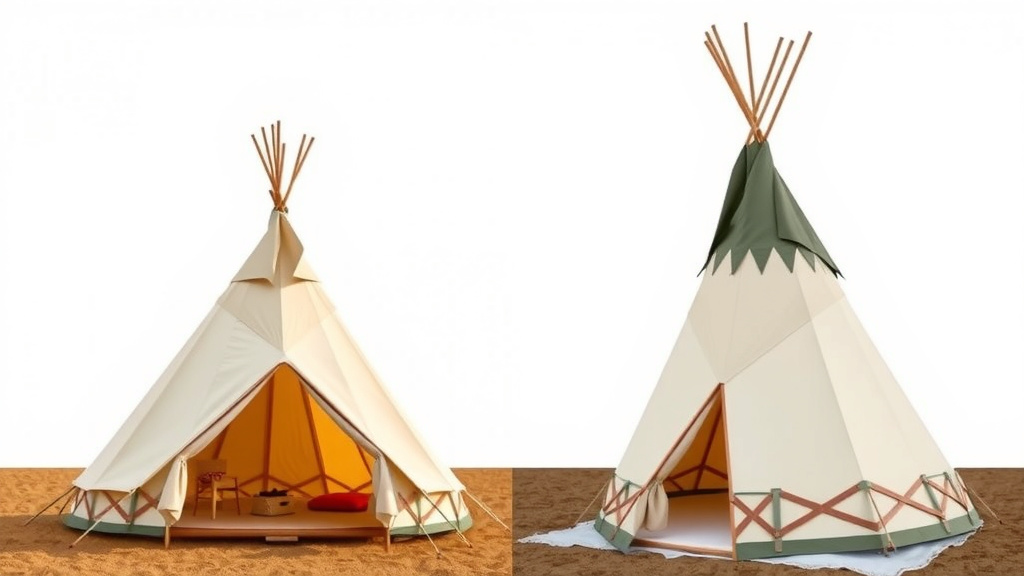
Bell Tent vs Teepee: Which Camping Shelter is Best
When choosing between a bell tent and a teepee for your camping adventures, the bell tent often wins for its superior stability and weather resistance. While both offer unique charm, bell tents typically provide a more versatile and forgiving setup, making them a popular choice for glamping and family trips. You’ll find they stand up better to wind and rain.
Both styles evoke a sense of nostalgic camping and offer ample headspace. However, their construction and setup differ significantly. We found that understanding these differences helps you pick the perfect shelter for your outdoor needs. Your choice impacts ease of setup and overall comfort.
- Bell tents offer better wind and rain protection.
- Teepees can be simpler to pitch for some.
- Bell tents often feel more spacious inside.
- Consider your typical camping weather and location.
Let’s break down the key differences to help you decide which canvas abode is right for you. We’ll look at setup, durability, and overall camping experience.
Bell Tent vs. Teepee: Which Canvas Shelter is Right for Your Adventures?
Deciding between a bell tent and a teepee can feel like choosing between a cozy cottage and a charming tipi. Both offer a unique canvas camping experience. But they do have distinct personalities and practical differences. We found that understanding these differences helps you pick the perfect shelter for your outdoor needs. Your choice impacts ease of setup and overall comfort.
Understanding Bell Tent Construction and Setup
Bell tents are known for their distinctive shape. They feature a central pole and guy ropes that anchor them to the ground. This design creates a stable, conical structure. It’s like a sturdy, spacious circus tent, but scaled down for camping.
The Bell Tent’s Signature Pole System
At the heart of a bell tent is its central support pole. This pole holds up the roof. A smaller A-frame pole often supports the door. This straightforward system is key to its stability. It also allows for incredible interior headroom.
Pitching a Bell Tent: What to Expect
Setting up a bell tent is often a two-person job. You’ll need to unroll the tent, insert the poles, and stake it out securely. Hammering in the stakes and tightening the guy ropes is essential. We found that a little practice makes this process much smoother. Many find the process quite satisfying once mastered. It’s a bit like assembling a giant, stylish puzzle. The result is a tent that stands tall and proud.
Stability and Weather Resistance
Bell tents offer excellent stability. Their design naturally sheds rain and snow. The guy ropes pull the canvas taut, preventing flapping in the wind. Many campers report they hold up well against strong gusts. This makes them a great choice for areas with unpredictable weather. Research from outdoor gear reviewers often highlights their wind resistance.
Exploring the Teepee Tent Design
Teepees, or tipis, are inspired by the traditional dwellings of Native American plains tribes. They have a conical shape too. However, their structure relies on a series of poles that lean together. This creates a tent that’s both iconic and functional.
Teepee Pole Configuration
Unlike the single central pole of a bell tent, a teepee uses multiple poles. These poles are typically tied together at the top. They then spread outwards to form the tent’s frame. Some modern teepee tents might have a central pole for added support. But the classic design relies on the lean-to structure.
The Teepee Setup Process
Pitching a teepee can be surprisingly quick and easy. Once you have your poles sorted, you often just spread them out and drape the canvas over. Securing the base with stakes and ropes follows. For some, this is even faster than setting up a bell tent. It’s a design that prioritizes simplicity. You might find yourself with more time for campfire stories.
Teepee Durability and Performance
Teepees can be quite sturdy. Their design allows wind to pass over them easily. However, their stability can depend on how well the poles are secured. In very high winds, a teepee might require more diligent staking. We found that older, traditional designs often had more poles for added strength. Modern versions are often optimized for lighter weight and quicker setup.
| Feature | Bell Tent | Teepee Tent |
|---|---|---|
| Primary Structure | Central pole, guy ropes | Multiple poles leaning together |
| Setup Speed | Moderate, often needs two people | Potentially faster, can be one person |
| Wind Resistance | Generally very good, stable | Good, design allows wind to flow |
| Interior Space | Excellent headroom, open feel | Good headroom, classic cone shape |
| Portability | Can be heavier due to thicker poles | Often lighter, especially simpler models |
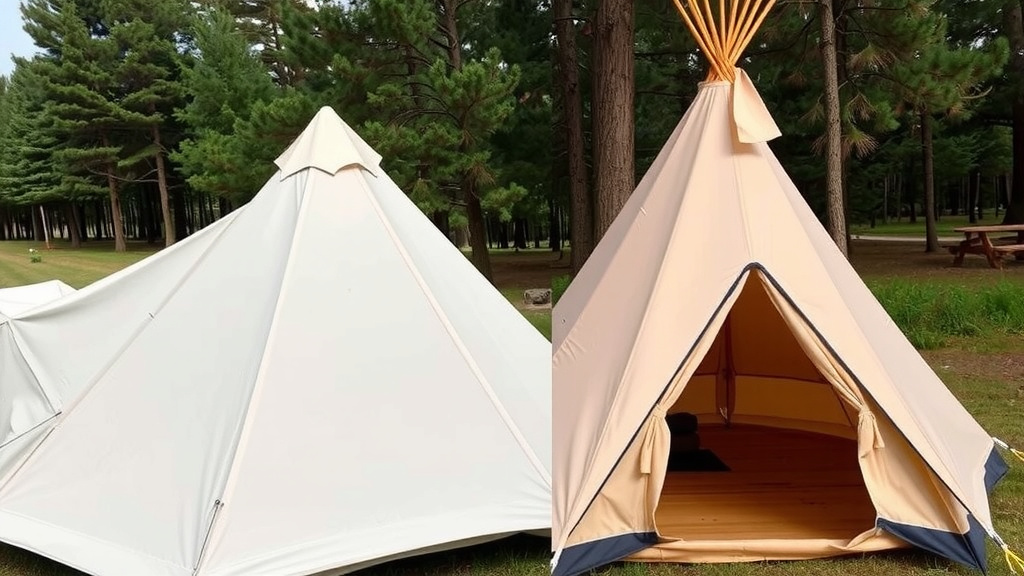
Comparing Interior Space and Comfort
When you’re inside, the feeling of space is important. Bell tents often win here. The straight, vertical walls create a feeling of spaciousness. You can easily stand up and walk around. This is especially true in larger bell tents. It feels less like a tent and more like a small room.
Headroom and Usable Floor Space
Bell tents provide consistent headroom from wall to wall. This means you can use almost all of the floor space effectively. You aren’t constantly ducking or bumping your head. This is fantastic for families or groups who want to spread out. Many people enjoy having space for furniture like chairs and small tables.
Teepee Interior Experience
Teepees offer excellent headroom at the center. However, the usable space decreases as you move towards the edges. The sloping walls mean you’ll be crouching or sitting in the outer areas. It’s still a comfortable space. Many find the conical shape very cozy and intimate. It’s a different kind of spaciousness than a bell tent.
Choosing Your Canvas Shelter: A Quick Checklist
To help you make the final decision, consider these points:
- Do you prioritize ease of setup above all else?
- How important is interior headroom and usable floor space?
- What kind of weather do you typically camp in?
- How many people will be using the tent regularly?
- Are you looking for a more modern glamping feel or a traditional aesthetic?
Thinking through these questions should point you in the right direction. Both bell tents and teepees offer a wonderful outdoor experience. The best choice depends on your personal camping style and needs.
Conclusion
You’ve now seen how bell tents and teepees offer distinct camping experiences. Bell tents excel in stability and usable interior space, making them ideal for varied weather and larger groups. Teepees, on the other hand, can offer quicker setup and a unique, cozy atmosphere. We found that your personal priorities, like weather preparedness or ease of pitching, will guide your choice. Think about where you camp most often and how much space you truly need. Ready to make your decision? Consider the checklist points to pick the canvas shelter that best fits your next adventure.
Frequently Asked Questions
Which tent is easier to set up for a beginner?
Many find teepees are quicker to pitch once you get the hang of the pole system. Bell tents can require a bit more coordination, especially with securing the guy ropes. Practice makes perfect for both, but a teepee might get you to campfire stories sooner.
Are bell tents truly better in wind than teepees?
Generally, bell tents are designed for superior wind resistance due to their stable pole structure and taut canvas. While teepees allow wind to flow over them, their stability can be more dependent on how well the poles are anchored. Research often points to bell tents having a slight edge in severe wind conditions.
Can I fit furniture inside a teepee?
You can fit furniture in a teepee, but you’ll need to be mindful of the sloping walls. Low seating or small tables work well near the edges. Bell tents offer more consistent headroom, making it easier to place standard camping chairs or small tables without feeling cramped.
Are teepee tents heavier or lighter than bell tents?
Teepee tents are often lighter, especially simpler models that rely on fewer or lighter poles. Bell tents, with their robust central pole and thicker canvas, can be heavier. This is something to consider if portability is a major concern for your trips.
Which tent style feels more spacious inside?
Bell tents generally feel more spacious due to their straight, vertical walls and consistent headroom. This design maximizes usable floor space where you can stand and move freely. Teepees offer great central height, but the sloped walls reduce the usable area towards the tent’s perimeter.
![7 Best Camo Tent [2026]](https://leonardhomeoutdoor.com/wp-content/uploads/2026/08/7-best-camo-tent-2026-featured-768x432.jpg)
![7 Best Tent For Dogs [2026]](https://leonardhomeoutdoor.com/wp-content/uploads/2026/09/7-best-tent-for-dogs-2026-featured-768x432.jpg)