Bivy Shelter vs Tent: Which is Right for Your Adventure
When choosing between a bivy shelter and a tent, the main difference boils down to weight and simplicity versus space and comfort. A bivy is essentially a waterproof cover for your sleeping bag, offering minimal protection and a tiny footprint. A tent, on the other hand, provides a more enclosed and spacious living area. Your best choice depends entirely on your priorities for your outdoor adventure.
Many backpackers and solo hikers lean towards bivvies for their unbeatable weight savings. They are perfect for ultralight trips where every ounce counts. Tents offer more livability, better bug protection, and protection from the elements, making them a favorite for longer trips or when sharing space with a partner. We found that understanding your typical trip style is key to making the right decision.
- Bivy shelters are super light and simple, great for fast-and-light trips.
- Tents offer more space, protection, and comfort for longer adventures.
- Consider your priorities: weight vs. space.
- Think about your typical trip: solo ultralight or group camping?
Let’s dive deeper into the pros and cons of each to help you decide which shelters will better serve your needs on the trail.
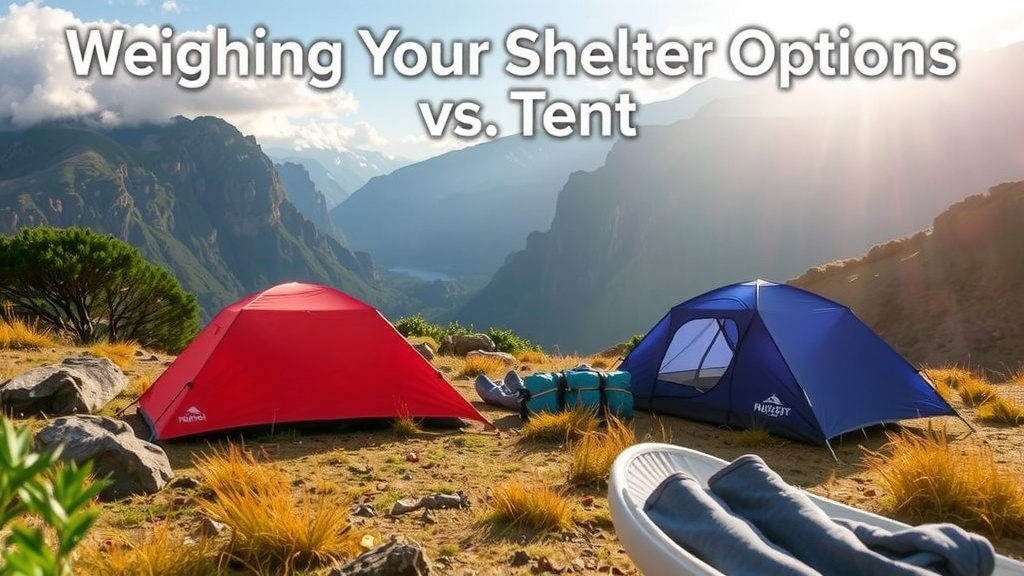
Weighing Your Shelter Options: Bivy vs. Tent
Deciding between a bivy sack and a tent is a common question for anyone heading outdoors. Both offer shelter, but they do so in very different ways. Your choice really hinges on what you value most for your trip. Think about it: do you want to shave off every possible ounce, or do you need a bit more room to stretch out and organize your gear?
We’ve found that understanding your typical trip is the best way to make this decision. Are you a solo hiker aiming for mountain summits? Or are you more of a car camper who enjoys leisurely weekends by the lake?
Understanding the Bivy Shelter: A Minimalist’s Dream
A bivy sack is, at its core, a waterproof and breathable cover for your sleeping bag. It’s like a minimalist cocoon that shields you from the elements. You essentially zip yourself into your sleeping bag inside the bivy. This setup is incredibly simple and offers very little extra space.
The Bivy’s Strengths: Where It Shines
The biggest advantage of a bivy is its minimal weight and small packed size. This makes it a favorite for ultralight backpackers, thru-hikers, and fast-and-light adventurers. If every ounce matters in your pack, a bivy is hard to beat. They are also incredibly easy to set up. You can be sheltered in just a minute or two, which is fantastic if you’re caught in a sudden downpour.
Many users report that bivvies offer a very connected-to-nature feel. You can often hear the rain hitting the fabric just inches from your face and see the stars through a mesh opening. This immersive experience is something many campers crave.
The Bivy’s Limitations: Where It Falls Short
However, bivvies come with trade-offs. The lack of space is the most significant drawback. You have no room to sit up, change clothes comfortably, or organize your gear inside. Everything needs to stay in your pack, often stowed outside the bivy. This can be inconvenient, especially in wet or buggy weather.
Ventilation can also be an issue. While many bivvies have breathable fabrics, some condensation can build up inside, especially in humid conditions. You need to be diligent about managing the opening to allow for airflow without letting rain in. This can sometimes feel like a juggling act.
Bug protection is another area where bivvies are less ideal. While the fabric offers a barrier, if there’s mesh, it’s your primary defense against insects. If bugs are a major concern for you, a bivy might feel a bit exposed.
Exploring the Tent: Your Portable Camp Home
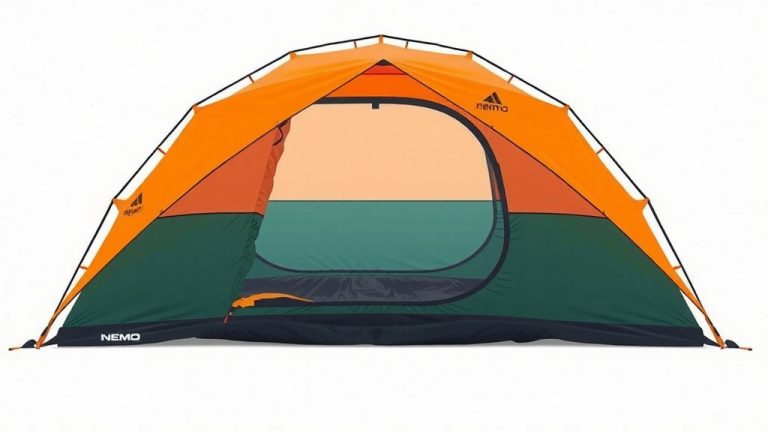
A tent provides a more structured and enclosed living space. It typically consists of poles that create a frame, fabric walls, and a rainfly. Tents offer significant headroom and interior volume compared to bivvies.
The Tent’s Advantages: Comfort and Versatility
Tents offer a more comfortable and livable experience. You can sit up, change clothes easily, play cards, or even read a book inside without feeling cramped. Many tents have vestibules—covered areas outside the main sleeping space—where you can store your wet gear or cook. This keeps your sleeping area clean and dry.
Bug protection is generally excellent with most tents. The mesh inner walls create a barrier, keeping insects out so you can sleep soundly. This is a huge plus for camping in buggy areas or during warmer months. Tents also provide superior protection from wind and rain, creating a more secure shelter in challenging weather.
When you’re sharing space, tents are the clear winner. They provide separate sleeping areas and common space, making them ideal for couples or small groups. The added privacy and room to move around contribute to a more enjoyable group camping experience.
The Tent’s Disadvantages: Weight and Complexity
The primary downside of a tent is its weight and bulk. Even lightweight backpacking tents are significantly heavier and larger than bivy sacks. Setting up a tent can also take a bit longer, especially if it’s your first time using it or if you’re dealing with tricky ground conditions.
The cost can also be a factor. Good quality tents, especially those designed for backpacking, can be a considerable investment. While bivvies are generally less expensive, the overall value depends on how you plan to use them.
Key Differences at a Glance
To help you visualize the distinctions, here’s a quick comparison:
| Feature | Bivy Shelter | Tent |
|---|---|---|
| Weight | Very Light (often under 1 lb) | Lightweight to Heavy (2-6+ lbs) |
| Packed Size | Extremely Small | Compact to Bulky |
| Interior Space | Minimal (sleeping bag only) | Ample (sit up, gear storage) |
| Setup Time | Very Fast (1-2 minutes) | Moderate (5-10 minutes) |
| Bug Protection | Limited (mesh panel) | Excellent (mesh walls) |
| Weather Protection | Good (waterproof fabric) | Excellent (rainfly, structure) |
| Ideal For | Ultralight hikers, fast-and-light trips, minimalists | Backpacking, car camping, families, longer trips, comfort seekers |
Making Your Choice: What’s Your Camping Style?
Your decision should align with your personal backpacking philosophy and the types of trips you most frequently take. Think about these questions:
Consider Your Priorities
- How much does weight matter on your average trip?
- Do you need room to sit up and organize gear inside your shelter?
- What are the typical weather conditions you encounter?
- How important is bug protection for your comfort?
- Are you usually camping solo or with others?
A Quick Checklist for Your Decision
Before you head out to make a purchase, run through this quick checklist:
- Confirm your typical trip length. Short overnights versus multi-day treks might lean you one way or the other.
- Evaluate your tolerance for discomfort. Can you manage tight quarters or is a bit of space essential for a good night’s sleep?
- Assess your budget. Both options have varying price points, but generally, lighter and more advanced bivvies can be pricey, as can high-quality tents.
- Think about your pack size. Will a rolled-up tent fit easily, or would a compact bivy be a game-changer for your loadout?
- Consider the terrain. Will you be pitching on smooth ground, or do you need a shelter that can handle a bit more variety?
Conclusion
Ultimately, your choice between a bivy shelter and a tent boils down to your personal adventure style. If you’re all about shedding weight and embracing simplicity for quick trips, a bivy is likely your best bet. You’ll enjoy a super-light pack and a direct connection to the outdoors. On the other hand, if comfort, gear organization, and solid protection from bugs and weather are key for your longer excursions or trips with others, a tent offers that much-needed space and security. Before you buy, honestly assess your typical trip, your tolerance for tight spaces, and what elements you want protection from. Your next great outdoor experience starts with the right shelter!
Frequently Asked Questions
Can you really use a bivy in the rain?
Yes, you can. A bivy shelter’s waterproof fabric is designed to keep you dry in rainy conditions. Just ensure you properly close the opening to prevent water from getting inside, and manage ventilation to reduce condensation.
Are tents always too heavy for backpacking?
Not necessarily. Many tents are specifically designed for backpacking, offering lightweight materials and compact designs. While generally heavier than bivvies, you can find excellent backpacking tents that won’t weigh you down excessively.
Is a bivy good for tall people?
A bivy might be less ideal for very tall individuals. Since you sleep inside your sleeping bag within the bivy, you can feel restricted in legroom and the ability to stretch out fully. Tents generally offer more interior space for taller campers.
Can you cook inside a tent?
Cooking inside a tent is generally not recommended due to the risk of fire and carbon monoxide poisoning from stoves. However, most tents have vestibules, which are covered outdoor spaces perfect for preparing simple meals or storing gear safely.
When is a bivy shelter a better choice than a tent?
A bivy is a better choice when your absolute top priority is minimizing weight and packed size, such as for ultralight thru-hiking or fast-and-light alpine ascents. They’re also great for minimalist campers who don’t mind a more exposed sleeping experience and are confident in fair weather.
![7 Best Canopy Tent For Camping [2026]](https://leonardhomeoutdoor.com/wp-content/uploads/2026/08/7-best-canopy-tent-for-camping-2026-featured-768x432.jpg)