15D vs 20D Tent Fabric: Which Is Right For You
When choosing between a 15D and 20D tent, the key difference lies in their durability and weight. A 15D tent is lighter and more packable, ideal for ultralight backpackers prioritizing minimal weight. A 20D tent offers better resilience against tears and abrasions, making it a more robust choice for challenging conditions or frequent use.
Understanding these denier (D) ratings helps you match your tent to your specific needs. Whether you’re on a thru-hike or car camping, the fabric’s strength-to-weight ratio is a vital consideration. We found that choosing the right denier directly impacts your comfort and the longevity of your gear.
- 15D tents are ultralight, best for minimalist hikers.
- 20D tents are more durable and tear-resistant.
- Consider your trip type and expected wear and tear.
- Weight vs. durability is the main trade-off.
Below, we’ll break down the specifics of 15D and 20D tent fabrics so you can make the best choice for your adventures.
Understanding Tent Fabric Denier Ratings
When you’re looking at tents, you’ll often see numbers like 15D or 20D. What do these mean for you? They refer to the denier rating of the fabric. Denier measures the thickness and weight of a single thread of yarn. A higher denier number means a thicker, heavier thread.
Think of it like comparing a fine silk scarf to a sturdy canvas tarp. The silk is lightweight and delicate. The canvas is much heavier and more robust. This is the core difference you’re looking at with your tent fabric.
The Weight vs. Strength Trade-off in Tents
Choosing a tent often boils down to a simple trade-off. Do you need it to be as light as possible, or do you need it to stand up to some serious abuse? This is where the denier rating really comes into play for your adventures.
The Appeal of Ultralight: 15D Tent Fabrics
A 15D tent fabric is all about shaving off every possible ounce. We found that manufacturers use very fine, lightweight threads for these tents. This makes them incredibly easy to pack and carry, especially on long backpacking trips.
If you’re a thru-hiker or someone who counts grams, a 15D tent might be your dream come true. It means less strain on your back and shoulders. You can cover more ground with less effort.
However, there’s a catch. Because the threads are thinner, 15D fabric is generally less resistant to tears and punctures. You need to be a bit more careful with your 15D tent.
Building Durability: 20D Tent Fabrics
On the other hand, a 20D tent fabric uses slightly thicker threads. This gives it a noticeable bump in strength and durability. We found that this added thickness makes the fabric more resistant to abrasion and sharp objects.
If you tend to camp in rougher terrain, or if your gear gets tossed around a bit, a 20D tent offers better peace of mind. It’s like choosing a sturdy backpack over a flimsy tote bag. It’s built to last.
While not as ultralight as 15D, 20D fabrics are still considered quite lightweight for most backpackers. The extra few ounces are often a worthwhile sacrifice for the increased toughness.
Key Differences at a Glance
Let’s break down the primary distinctions you’ll encounter. Understanding these points will help you decide which is the right fit for your needs.
Weight and Packability
This is where 15D shines. The lighter fabric means your tent will weigh less. It will also pack down smaller. This is a huge advantage if you have limited space in your backpack. Many experts agree that weight is a primary concern for long-distance hikers (American Hiking Society).
Durability and Tear Resistance
Here, 20D typically wins. The thicker threads make it harder to snag or rip the fabric. This means it can better withstand the rigors of the trail. It’s less likely to get damaged by branches or sharp rocks.
Cost Considerations
Generally, 15D fabrics can sometimes be more expensive. This is due to the specialized, finer threads and manufacturing processes involved in creating ultralight materials. However, we found that the price difference isn’t always drastic, and many brands offer 20D tents at competitive price points.
Intended Use Cases
For ultralight backpacking, thru-hiking, or minimalist trips, 15D is often preferred. For general backpacking, car camping, or when durability is a higher priority, 20D is a solid choice. If you’re a beginner or just want a reliable all-around tent, 20D is a safe bet.
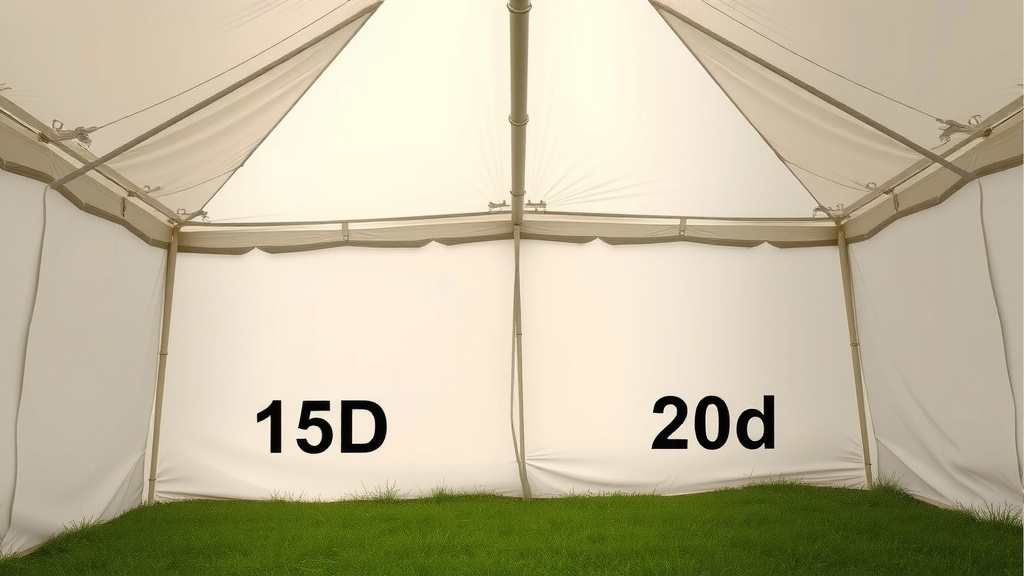
Comparing 15D and 20D Tent Fabrics
To help visualize the differences, consider this comparison. It highlights the main areas where you’ll see a distinction.
| Feature | 15D Tent Fabric | 20D Tent Fabric |
|---|---|---|
| Weight | Ultralight, very light | Lightweight, slightly heavier |
| Durability | Good, but less tear/puncture resistant | Very good, more resistant to tears and abrasion |
| Packability | Excellent, packs down very small | Good, packs down smaller than heavier fabrics |
| Ideal User | Ultralight backpackers, thru-hikers | General backpackers, frequent campers |
| Cost | Can be higher due to specialized materials | Often more budget-friendly or mid-range |
Making the Right Choice for Your Adventures
So, how do you decide which one is best for you? It really depends on your personal backpacking style and the types of trips you take. Ask yourself these questions:
- How much weight am I willing to carry?
- What kind of terrain will I be camping in?
- How careful am I with my gear?
- What is my budget?
If your absolute priority is saving every possible ounce and you’re meticulous about how you set up and pack your tent, 15D is a strong contender. You’ll barely notice it in your pack.
However, if you want a tent that feels a bit more robust, can handle a bit more wear and tear, and you don’t mind a few extra ounces, 20D is likely the better option. Many reviewers suggest that for most recreational backpackers, the balance offered by 20D is ideal (Backpacking Light Magazine).
A Quick Checklist for Your Decision
Here’s a simple checklist to help you narrow down your choice:
- Prioritize weight above all else? Go 15D.
- Need maximum durability for rough trips? Consider 20D.
- Going on a thru-hike? 15D is common.
- Just starting out or car camping? 20D is a safe bet.
- Worried about tears from pets or kids? Lean towards 20D.
- On a tight budget? Compare specific models, but 20D often offers good value.
Conclusion
Deciding between a 15D and 20D tent boils down to your personal backpacking priorities. If shedding every ounce for ultralight adventures is your main goal, 15D offers incredible packability. However, if you’re looking for a more robust shelter that can withstand rougher trails and frequent use, the slightly heavier 20D fabric provides superior durability. We’ve found that understanding this simple denier difference helps you make a choice that aligns perfectly with your travel style and gear needs. Your next step is to consider your upcoming trips and choose the tent fabric that will best support them.
Frequently Asked Questions
Is 15D fabric strong enough for everyday backpacking?
For most casual backpacking, 15D fabric can be sufficient if you are careful. You’ll want to avoid abrasive surfaces and sharp objects. If you tend to be rough with your gear or camp in challenging environments, a 20D tent might offer better peace of mind.
Will a 20D tent add a lot of extra weight to my pack?
A 20D tent is only slightly heavier than a comparable 15D model. The difference is usually measured in ounces, which most backpackers find to be a worthwhile trade-off for increased durability. You might not even notice the extra weight on your back.
Can I use a 15D tent if I have a dog that might scratch it?
We generally advise against using a 15D tent if pets might come into contact with the fabric. The thinner threads are more susceptible to punctures and tears from claws. A 20D tent would be a much safer and more resilient choice in this situation.
Which denier is better for car camping or casual use?
For car camping or situations where weight isn’t a primary concern, a 20D tent is often the preferred choice. It provides excellent durability and can handle more general wear and tear. You can set it up and pack it away with less worry about damaging the fabric.
Does the denier rating affect how well my tent repels water?
The denier rating itself primarily measures fabric thickness and weight, not its waterproofing capabilities. Both 15D and 20D fabrics are typically coated with waterproof treatments like PU or silicone. You should always check the specific waterproof ratings and seam sealing of any tent, regardless of its denier.
![7 Best 1p Backpacking Tent [2026]](https://leonardhomeoutdoor.com/wp-content/uploads/2026/08/7-best-1p-backpacking-tent-2026-featured-768x432.jpg)
![7 Best Backpacking Tent For Family Of Four [2026]](https://leonardhomeoutdoor.com/wp-content/uploads/2026/06/7-best-backpacking-tent-for-family-of-four-2026-featured-768x432.jpg)
![7 Best Backpacking Tent For Cold Weather [2026]](https://leonardhomeoutdoor.com/wp-content/uploads/2026/07/7-best-backpacking-tent-for-cold-weather-2026-featured-768x432.jpg)