Bell Tent vs Yurt: Which Glamping Shelter is Right for You
When choosing between a bell tent and a yurt for your glamping adventure, the bell tent offers a more classic canvas camping experience, while a yurt provides a sturdier, more permanent structure. Your best choice depends on your desired level of comfort and the climate you’ll be camping in. Bell tents are known for their iconic A-frame design and ease of setup, perfect for warmer weather. Yurts, on the other hand, are more robust, often featuring rigid walls and a dome roof, making them suitable for a wider range of conditions.
Both structures offer a step up from traditional camping. Bell tents provide a spacious interior that feels open and airy. Yurts, with their typically circular footprint and robust construction, often feel more like a small cabin. Many people find that each offers a unique way to connect with nature while enjoying increased comfort and protection from the elements compared to a basic tent.
- Bell tents: classic canvas, easy setup, best for fair weather.
- Yurts: sturdy, permanent structure, good for various climates.
- Bell tents offer an open, airy feel.
- Yurts provide a cabin-like experience.
- Your choice depends on comfort needs and climate.
Let’s dive into the specifics of each to help you decide which is the perfect home away from home for your next outdoor escape.
Bell Tent vs. Yurt: What’s the Real Difference?
You’re dreaming of a cozy outdoor escape. Maybe it’s a glamping trip or a more permanent backyard setup. Two popular choices often come up: the bell tent and the yurt. But what truly sets them apart? Let’s break it down so you can pick the perfect canvas or solid shelter for your needs.
Understanding the Bell Tent: Classic Canvas Comfort
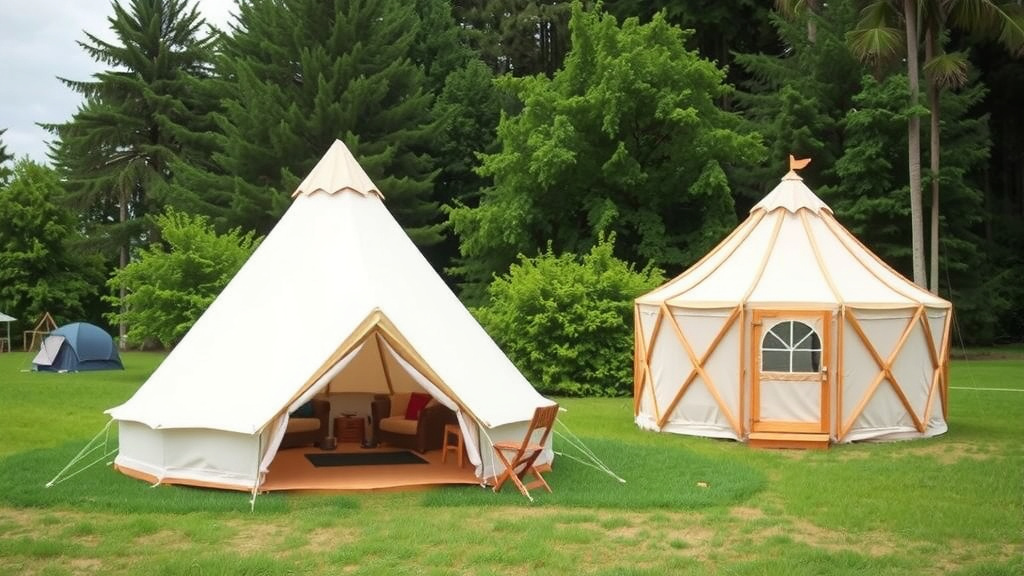
Think of a bell tent as the elegant older sibling of the camping world. It’s all about that iconic, conical shape and breathable canvas. They’re designed to feel open and airy, making them fantastic for fair-weather adventures.
The Bell Tent Design Explained
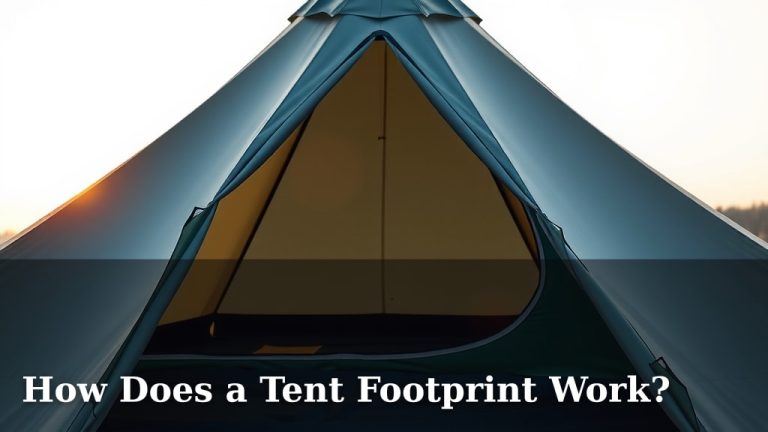
Bell tents typically feature a single central pole and guy ropes that pull the canvas outwards. This creates a stable, A-frame-like structure. The result is a spacious interior with plenty of headroom, especially in the center. It feels quite grand for a tent!
Materials and Weather Suitability
Most bell tents are made from heavy-duty cotton canvas. This material is breathable and water-resistant. Canvas allows air to circulate, reducing condensation inside. We found that while they can handle light rain, they aren’t built for harsh winds or heavy snow. They’re best for summer camping or places with milder climates.
Ease of Setup and Portability
Setting up a bell tent can take a bit of practice. You’ll need to stake out the base and then position the center pole. It usually takes two people about 30-45 minutes. They are generally portable, rolling up into a manageable package for transport. This makes them great for weekend getaways.
Pros and Cons of Bell Tents
The biggest draw is their aesthetic appeal and airy feel. They offer a wonderful connection to nature. However, they require more maintenance than synthetic tents. You need to dry them completely before packing to prevent mildew. We also noted they can be a bit heavy to carry compared to modern ultralight tents.
Exploring the Yurt: A Sturdy, Circular Dwelling
Now, let’s talk about yurts. If you’re picturing something more substantial, you’re on the right track. Yurts are traditional nomadic dwellings known for their strength and circular design.
Yurt Construction and Features
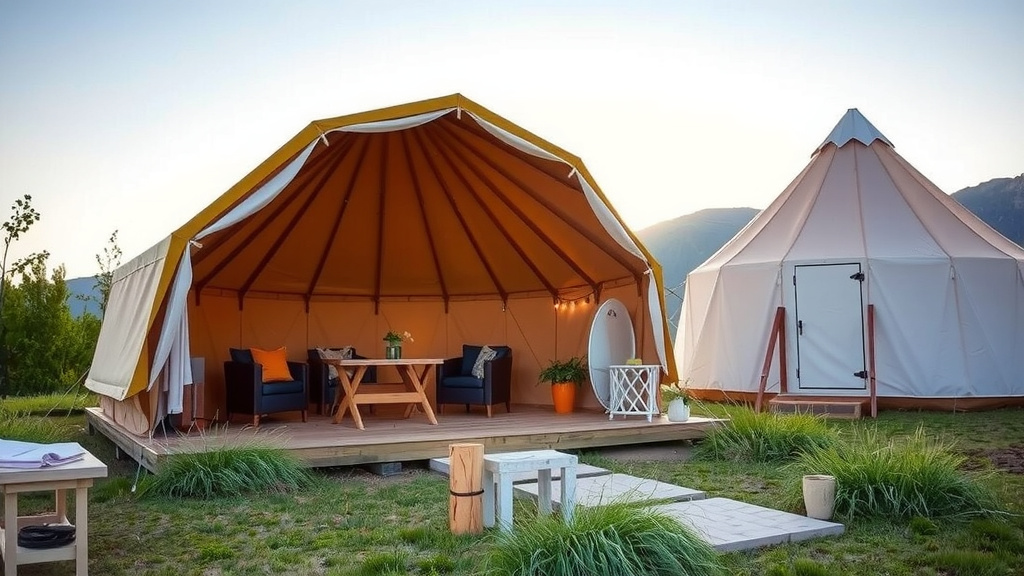
A yurt typically has a lattice wall structure that forms a circle. This is topped by roof poles that meet at a central compression ring. Many modern yurts have solid wood doors and even windows. Some can be quite sophisticated, feeling more like a small cabin than a tent. Their sturdy construction offers excellent protection.
Materials and Climate Resilience
Yurts are often built with wood frames and covered in durable, waterproof fabrics like vinyl or canvas. Some designs incorporate insulation, making them suitable for colder weather. We found that many yurts are designed to withstand significant wind and snow loads, which is a big advantage over a bell tent for year-round use.
Setup and Permanence
Setting up a yurt is a more involved process. It’s definitely not a weekend camping setup. Yurts are often considered semi-permanent structures. They require a level foundation and can take several days to assemble. Once up, they are meant to stay put. This makes them ideal for glamping sites or backyard offices.
Pros and Cons of Yurts
The major advantage of a yurt is its durability and stability. You get a much more insulated and weather-resistant space. They can feel very secure. On the downside, they are not portable. They are also a significant investment and require more space for setup. You won’t be packing this up for a spontaneous camping trip.
Key Differences at a Glance
Let’s quickly summarize the main distinctions to help you visualize your choice. Think about what you need most for your outdoor experience.
| Feature | Bell Tent | Yurt |
|---|---|---|
| Structure | Conical canvas shape with a central pole. | Circular lattice walls with a domed roof. |
| Portability | Portable, good for travel. | Semi-permanent, not designed for moving. |
| Weather Suitability | Best for mild, fair weather. | Can withstand various climates, including cold. |
| Setup Time | 30-45 minutes for two people. | Several days, requires foundation. |
| Interior Feel | Spacious, airy, open. | Solid, cabin-like, secure. |
| Cost | Generally more affordable. | Significant investment. |
Making Your Final Decision: A Quick Checklist
To help you nail down the perfect structure, consider these points:
- How often will you move your shelter?
- What kind of weather do you expect?
- What’s your budget?
- How much setup effort are you willing to put in?
- Do you prioritize portability or permanence?
- What level of comfort and insulation do you desire?
Conclusion
Choosing between a bell tent and a yurt comes down to your camping style and needs. A bell tent offers that classic canvas charm and portability for fair-weather adventures. It’s your go-to for a light, airy feel and easy setup on trips. Yurts, on the other hand, provide a much sturdier, semi-permanent dwelling. They are built for durability and offer more protection, making them suitable for various climates and longer stays. Consider your budget, desired comfort, and how often you plan to move your shelter. Weigh these factors to pick the perfect outdoor home for you.
Frequently Asked Questions
Can I use a bell tent in the rain?
Bell tents are made from canvas, which is water-resistant. They can handle light rain, but prolonged heavy downpours might require additional waterproofing. You’ll want to ensure it’s completely dry before packing it away to prevent mildew.
Are yurts difficult to move once set up?
Yurts are generally considered semi-permanent structures. While they can technically be disassembled and moved, it’s a labor-intensive process. They are designed to be set up on a foundation and remain in one location for extended periods.
Which option is better for cold weather camping?
Yurts are typically better suited for colder weather. Many are built with insulation options and more robust framing that can better withstand winter conditions. Bell tents are best for milder climates due to their breathability and less substantial structure.
What kind of maintenance do bell tents require?
You’ll need to be diligent about drying your bell tent completely after use, especially if it rained. Regular canvas treatments can help maintain its water resistance. Folding it carefully will also prolong its life.
Can I live in a yurt year-round?
Yes, many people use yurts as primary residences or guest houses year-round. With proper insulation, heating, and a solid foundation, they can be very comfortable in all seasons. This permanence is a key difference from the portability of a bell tent.
![7 Best Tent For Backyard Camping [2026]](https://leonardhomeoutdoor.com/wp-content/uploads/2026/09/7-best-tent-for-backyard-camping-2026-featured-768x432.jpg)