
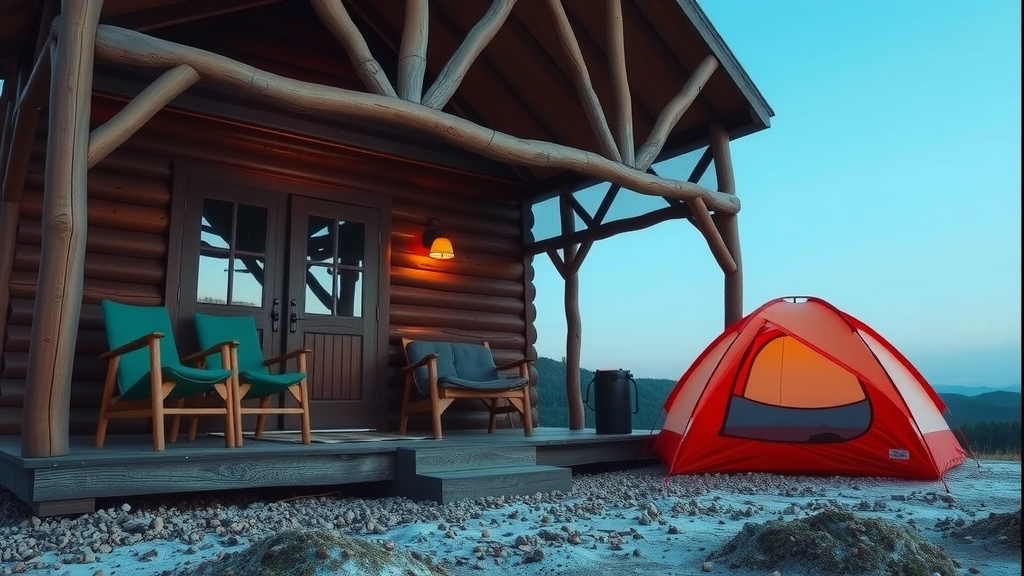
Cabin vs Tent: Which Camping Style is Right for You
When deciding between a cabin and a tent for your next outdoor adventure, the key difference is comfort and amenities. A cabin offers a cozy shelter with solid walls and a roof, often including beds and basic furnishings, while a tent provides a more primitive, close-to-nature experience with simpler protection from the elements.
Your choice really depends on what kind of trip you’re planning. Are you looking for a rustic escape where you can truly disconnect, or do you prefer a comfortable basecamp with modern conveniences? We’ve researched both options to help you figure out which fits your camping style best.
- Cabin: More comfort, amenities, solid structure.
- Tent: More basic, closer to nature, portable.
- Consider your desired comfort level.
- Think about the weather and your gear.
Below, we’ll break down what you need to know about choosing between a cabin and a tent for your next getaway.
Deciding between a cabin and a tent for your outdoor escape is a big first step. It really boils down to what kind of experience you’re after. Do you want to rough it a bit, or are you dreaming of a cozy retreat? We’ve dug into the details to help you weigh your options.
Cabin vs. Tent: What’s Your Camping Vibe?
Choosing between a cabin and a tent sets the tone for your entire trip. A cabin offers more than just shelter; it’s a comfortable base. A tent, on the other hand, brings you closer to the elements and the raw beauty of nature.
Your choice really depends on your personal preferences and the kind of adventure you envision. Think about who you’re traveling with, too. Families might lean towards cabins, while solo adventurers or couples might prefer the simplicity of a tent.
The Case for the Cozy Cabin
Cabins offer a step up in comfort and convenience. Imagine solid walls, a sturdy roof, and protection from unexpected downpours or chilly nights. They often come with beds, furniture, and sometimes even basic kitchens and bathrooms. This means less gear to haul and more time to relax.
Key Cabin Advantages
- Solid Shelter: Provides robust protection from weather.
- Comfortable Sleeping: Beds mean a better night’s sleep.
- Amenities: Often includes electricity, running water, and even heating/cooling.
- Less Gear: You don’t need to pack as much camping equipment.
- Year-Round Use: Many cabins are suitable for use in various seasons.
When a Cabin Might Be Your Best Bet
If you’re planning a family vacation, a cabin is often a great choice. Kids can have a safe space to play, and parents can enjoy amenities like a kitchen and bathroom. It’s also ideal for those who aren’t seasoned campers but still want to enjoy the outdoors. Think of it as glamping without the fancy setup. Many parks and campgrounds offer cabin rentals, making them an accessible option.
We found that cabins are perfect for longer stays where you want a home-away-from-home feel. They reduce the stress of setup and teardown, letting you focus on enjoying the scenery and activities. Plus, having a dry, warm place to retreat to after a day of hiking is pretty appealing, right?
Embracing the Simplicity of a Tent
Tents offer a more traditional camping experience. You’ll be sleeping closer to the ground, feeling the breeze, and hearing the sounds of nature all around you. While simpler, tents provide essential protection from the elements and can be incredibly rewarding.
What a Tent Experience Offers
- Closer to Nature: You feel more connected to your surroundings.
- Portability: Easy to pack and set up in various locations.
- Affordability: Tents and gear are generally less expensive than cabin rentals.
- Flexibility: You can camp in more remote or backcountry areas.
- Sense of Accomplishment: Setting up your own camp can be very satisfying.
Why Choose a Tent for Your Trip?
Tents are fantastic for those who want to immerse themselves in the outdoors. They are the classic choice for backpackers, hikers, and anyone who enjoys the minimalist approach. If your goal is to disconnect, simplify, and truly experience the wilderness, a tent is probably your best friend. You’ll need to bring sleeping bags, pads, and potentially cooking gear, but that’s part of the adventure!
Many experts suggest that tent camping can be a great way to build self-reliance. You learn to manage your gear, adapt to weather, and live more simply. We’ve seen that even experienced campers find joy in the straightforward nature of tent camping. It’s about embracing the elements and relying on your own preparedness.
Factors to Consider When Deciding
Before you book or pack, let’s look at a few key things that might tip the scales in favor of a cabin or a tent.
Weather and Seasonality
The weather is a major player in your decision. If you’re camping in the shoulder seasons or winter, a cabin offers superior warmth and protection. Cold, rain, or snow can make tent camping uncomfortable or even unsafe if you’re not properly prepared. For summer trips, tent camping can be perfectly delightful.
We found that many first-time campers opt for cabins during cooler months to ensure a more comfortable introduction to the outdoors. If you’re going somewhere with unpredictable weather, a cabin provides peace of mind. However, if you have the right gear (a four-season tent, warm sleeping bag, etc.), tent camping can still be very enjoyable, even in less-than-ideal conditions.
Your Gear and Packing Style
What you plan to bring will influence your choice. A cabin means you can leave a lot of bulky gear at home. You might only need personal items and food. A tent, however, requires a more comprehensive packing list. You’ll need the tent itself, sleeping bags, pads, cooking equipment, and possibly a stove.
Think about how much you enjoy packing and organizing gear. Some people love the process; others find it a chore. If you’re aiming for a light and easy trip, a cabin wins. If you have a lot of camping gear already and enjoy using it, a tent might be more appealing. Remember, packing for tent camping often involves making sure everything fits in your vehicle or backpack.
Budget and Cost
Generally, tent camping is more budget-friendly than renting a cabin. The initial cost of a tent and basic gear can be an investment, but it pays off if you camp frequently. Campsite fees for tents are usually lower than nightly rates for cabins.
Cabin rentals can range from quite affordable to very expensive, depending on the location and amenities. If you’re on a tight budget, or if you plan to go camping many times a year, investing in tent camping gear makes more financial sense. We found that even budget cabins can add up quickly if you plan multiple trips.
Trip Goals and Companions
What do you want to get out of this trip? Are you looking for solitude and a challenge, or a relaxing getaway with modern conveniences? Who are you traveling with? A cabin might be better for:
- Young children
- Elderly relatives
- Group trips with varying comfort levels
- Those seeking maximum relaxation
A tent might be ideal for:
- Solo travelers
- Experienced campers
- Backpackers
- Those on a strict budget
- Anyone prioritizing a raw nature experience
Your companions’ preferences are also key. A compromise might be necessary if you have mixed desires within your group. Sometimes, finding a campground that offers both tent sites and cabins can be a great solution, allowing people to choose their own adventure within the same location.
Ease of Setup and Convenience
Let’s be honest: setting up a tent takes time and effort. You need to find a flat spot, pitch the tent, stake it down, and arrange your sleeping area. Cabins are usually much simpler – you unlock the door and move in.
If you arrive late, or if you have limited mobility, a cabin is a clear winner for convenience. For those who love the process of setting up camp, pitching a tent can be a satisfying part of the experience. We’ve learned that convenience is often a deciding factor for families with young children, where getting settled quickly is a priority.
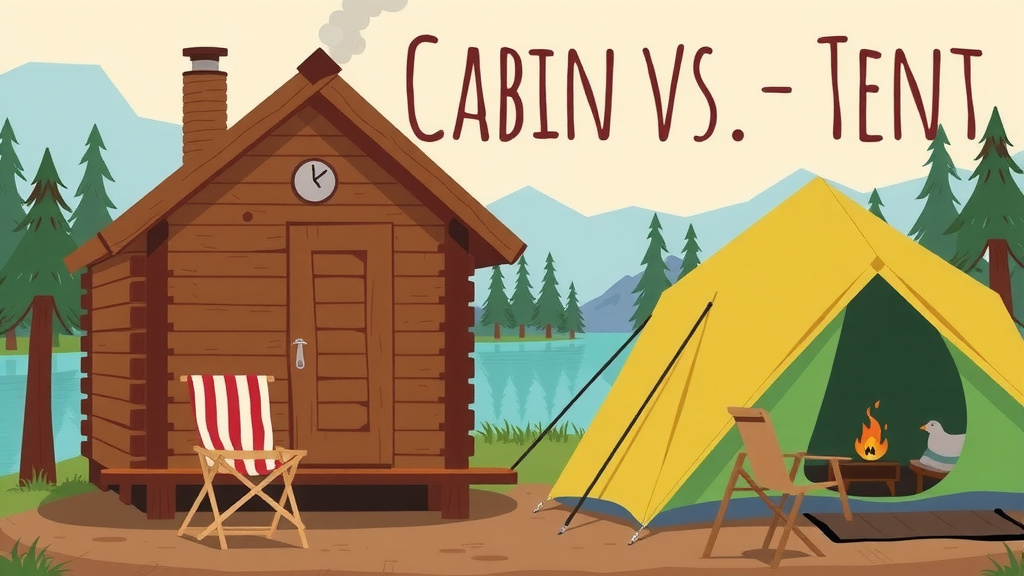
Your Quick Checklist: Cabin or Tent?
Here’s a quick way to think about your choice:
- Comfort Level: Do you crave beds and walls, or are you happy with sleeping bags and a rainfly?
- Weather Forecast: Is sunshine guaranteed, or are storms brewing?
- Trip Duration: A weekend car camping trip might be fine in a tent, while a week-long adventure might call for a cabin.
- Travel Companions: Who are you bringing along, and what are their needs?
- Gear Situation: Do you have the right tent, or will you need to rent/buy?
- Desired Experience: Are you seeking rustic immersion or cozy relaxation?
Conclusion
Choosing between a cabin and a tent boils down to your personal adventure style. A cabin offers a cozy, comfortable base with many amenities, perfect for families or those prioritizing relaxation. A tent provides a more primitive, nature-immersed experience, ideal for budget-conscious travelers or serious outdoors enthusiasts. We found that considering the weather, your gear, budget, and travel companions will guide you to the right choice. Ready to plan your trip? Your next great outdoor experience awaits, no matter which shelter you choose!
Frequently Asked Questions
Are cabins always more expensive than tents?
Generally, yes. Cabin rentals typically come with a nightly fee that’s higher than a tent campsite fee. While the initial investment in tent gear can be substantial, repeated camping trips in a tent often prove more budget-friendly in the long run compared to frequent cabin rentals.
Can you really connect with nature in a cabin?
Absolutely! While you’re not sleeping under the stars, a cabin still places you directly in a natural setting. You can enjoy the sounds of the forest from your porch, hike right outside your door, and experience the peace of the outdoors without the exposure to elements that tent camping brings.
What kind of gear do you need for tent camping?
For tent camping, you’ll need your tent, a sleeping bag appropriate for the expected temperatures, a sleeping pad for comfort and insulation, and potentially a pillow. You’ll also need cooking gear, a headlamp or lantern, and appropriate clothing for the weather.
Is a cabin a good option for a first-time camper?
Yes, a cabin can be an excellent choice for first-time campers. It provides a comfortable and secure environment, often with amenities like bathrooms and beds, which can make the transition into outdoor living much easier and more enjoyable without sacrificing the outdoor experience.
When is tent camping a better choice than a cabin?
Tent camping is often better when your goal is a deep immersion in nature, backpacking in remote areas, or if you’re on a very strict budget. It’s also ideal if you enjoy the self-reliance and satisfaction that comes with setting up your own camp and being more exposed to the natural world.
![7 Best Backpacking Tent For Appalachian Trail [2026]](https://leonardhomeoutdoor.com/wp-content/uploads/2026/07/7-best-backpacking-tent-for-appalachian-trail-2026-featured-768x432.jpg)
![7 Best Mattress For Tent Camping [2026]](https://leonardhomeoutdoor.com/wp-content/uploads/2026/08/7-best-mattress-for-tent-camping-2026-featured-768x432.jpg)
One Comment