
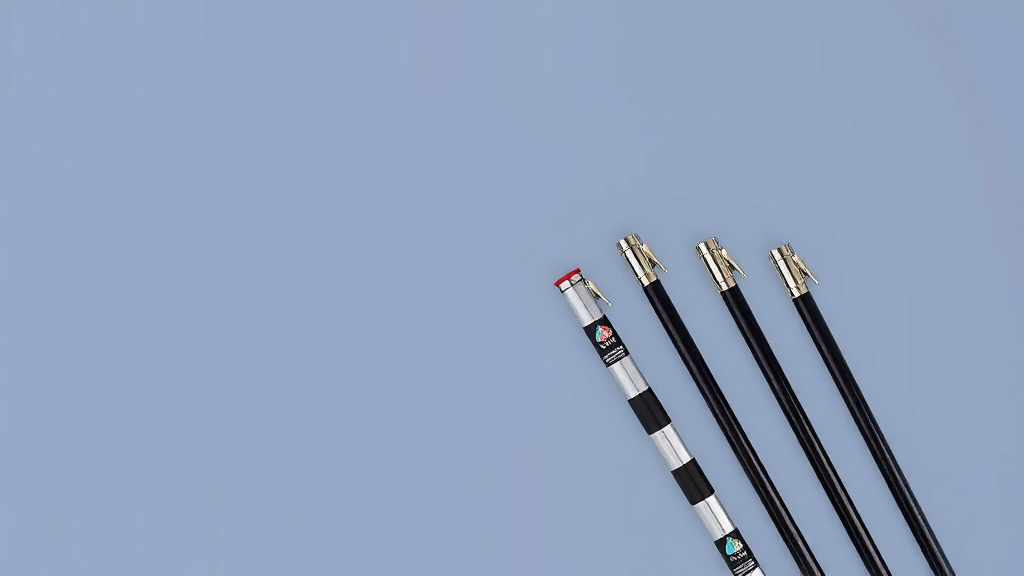
Carbon vs Aluminum Tent Poles: Which Is Best
When choosing tent poles, When choosing tent poles, aluminum poles offer a great balance of strength, weight, and affordability.aluminum poles offer a great balance of strength, weight, and affordability for most campers. Carbon fiber poles are generally lighter and stronger but come at a higher price point. Your choice really depends on your priorities for weight savings and budget.
Think of your tent poles as the skeleton of your shelter. They need to be sturdy enough to withstand wind and weather, but also light enough not to be a burden on your back. Many campers find aluminum to be the sweet spot, while serious backpackers might lean towards carbon fiber for that extra edge in weight reduction. We’ve looked at the data, and there are clear trade-offs for each.
- Aluminum: Durable, affordable, good all-around choice.
- Carbon Fiber: Lighter, stronger, more expensive.
- Consider your camping style and budget.
- Weight savings are key for backpackers.
Below, we’ll break down the key differences between carbon and aluminum tent poles to help you make the best decision for your next adventure.
Exploring the Differences: Carbon Fiber vs. Aluminum Tent Poles
When you’re outfitting your camping gear, the poles that hold up your tent are more important than you might think. They’re not just sticks; they’re the structural backbone. We’ve looked into the main materials used for these poles: aluminum and carbon fiber. Each has its own set of pros and cons that can really impact your camping experience. Let’s break them down.
Aluminum Tent Poles: The Reliable Workhorse
Aluminum has been a go-to material for tent poles for a long time. It’s known for being a solid all-around performer. Think of it like a dependable old truck; it might not be the flashiest, but it gets the job done without much fuss. It strikes a good balance between being strong enough for most conditions and being affordable.
Strength and Durability of Aluminum
Aluminum poles are generally quite strong and can handle decent wind and stress. They are less likely to snap under pressure compared to some other materials. While they can bend, they often bend back into shape. This makes them a forgiving choice, especially if you’re not always gentle with your gear. We found that many standard camping tents use aluminum for this reason.
Weight Considerations for Aluminum
Aluminum poles are heavier than their carbon fiber counterparts. For car camping or short hikes where weight isn’t a huge concern, this isn’t a big deal. You’re likely not carrying your tent on your back for miles. However, if you’re planning a long backpacking trip, every ounce counts. The extra weight of aluminum poles can add up quickly, making your pack feel heavier.
Cost-Effectiveness of Aluminum
One of the biggest draws of aluminum poles is their price. They are significantly more affordable than carbon fiber. This makes them an excellent option for casual campers or those on a tighter budget. You can get a reliable set of aluminum poles without breaking the bank. This cost savings can allow you to put more money towards other essential camping gear.
Repair and Maintenance of Aluminum
If an aluminum pole gets damaged, it’s often repairable. You can sometimes straighten out a bent section or replace individual pole segments. This can extend the life of your poles. Many camping gear shops can help with repairs, or you can find DIY kits. This ease of repair adds to their overall value.
Carbon Fiber Tent Poles: The Lightweight Champion
Carbon fiber poles are the high-performance option. They are incredibly light and strong, often favored by serious backpackers and ultralight enthusiasts. If you’re looking to shave every possible ounce off your gear, carbon fiber is where you’ll find it. They feel almost feather-light in your hands.
Superior Strength-to-Weight Ratio
Carbon fiber offers an exceptional strength-to-weight ratio. This means you get impressive strength for very little weight. These poles can withstand significant force without breaking. They are incredibly stiff, which helps maintain the shape of your tent in windy conditions. Many ultralight tent manufacturers use carbon fiber to meet their weight targets.
The Weight Advantage of Carbon Fiber
The primary benefit of carbon fiber is its lightness. These poles can be up to 30-50% lighter than aluminum poles of similar strength. For backpackers, this weight saving is a major advantage. It can mean the difference between a comfortable hike and a grueling one. Every bit of weight saved on your pack contributes to your overall enjoyment and endurance.
The Price Tag on Carbon Fiber
The downside of carbon fiber’s performance is its cost. Carbon fiber poles are considerably more expensive than aluminum ones. The manufacturing process is more complex and costly. This higher price point means they are often found on higher-end tents or as aftermarket upgrades. You’re paying a premium for that advanced material technology.
Durability and Vulnerability of Carbon Fiber
While strong, carbon fiber can be more brittle than aluminum. It can be susceptible to impact damage or sharp blows. If a carbon fiber pole takes a hard hit, it might crack or shatter. This means you need to be a bit more careful with them. They require a gentler touch and proper storage to prevent damage. We found that specialized carrying cases can help protect them.
Repairing Carbon Fiber Poles
Repairing carbon fiber poles can be trickier and more expensive than fixing aluminum. While individual sections can sometimes be replaced, a crack or break might mean replacing the entire pole. Some specialized repair kits are available, but they often require careful application. This is something to consider if you anticipate rough handling of your gear.
Making Your Choice: What Works for You?
Deciding between carbon fiber and aluminum comes down to your priorities. Consider your typical camping style and what matters most to you.
For the Budget-Conscious or Casual Camper
If you’re new to camping or only head out a few times a year, aluminum poles are likely your best bet. They offer great performance for the price. You won’t have to worry about damaging expensive gear, and they’re robust enough for most everyday camping scenarios. Your wallet will thank you!
For the Serious Backpacker or Ultralight Enthusiast
If you’re logging serious miles or focused on shedding every possible ounce, carbon fiber is hard to beat. The weight savings can make a huge difference on long treks. You’ll be carrying less weight, which means more energy for enjoying the journey. Just be prepared for the higher initial investment and handle them with care.
When Does Weight Really Matter?
Weight is king for backpackers. Studies show that reducing pack weight can significantly decrease fatigue and improve hiking speed (US National Park Service). For those carrying their shelter on their back, even a few ounces saved on poles can be critical. Car campers, on the other hand, can often afford to carry the slightly heavier aluminum poles.
Considering the Overall Tent Value
Often, the type of poles a tent comes with reflects its overall design and price point. Ultralight tents typically use carbon fiber poles to match their lightweight fabrics. More budget-friendly or standard tents usually come with aluminum poles. Think about the tent’s intended use when considering the poles.
Here’s a quick checklist to help you decide:
- How often do you camp?
- What kind of trips do you take (car camping vs. backpacking)?
- How much are you willing to spend?
- Is saving weight a top priority?
- How carefully do you handle your gear?
- Do you prefer easier repairs or top performance?
Ultimately, both aluminum and carbon fiber tent poles can serve you well. The right choice depends on your personal needs and preferences. It’s about finding the sweet spot between performance, durability, and cost for your adventures.
Conclusion
You’ve learned that aluminum tent poles offer a reliable, budget-friendly choice for most campers. They’re durable and forgiving, making them a solid all-around performer for various trips. On the other hand, carbon fiber poles are your top pick if you’re a serious backpacker focused on shaving every ounce. While they come with a higher price tag and require a bit more care, their incredible lightness and strength can be a game-changer for long treks. Ultimately, the best pole material for you hinges on your camping style, your budget, and how much weight you’re willing to carry. Consider your typical adventures and choose the poles that will best support your journey.
Frequently Asked Questions
Can I repair a broken carbon fiber tent pole?
Repairing carbon fiber poles can be challenging. Sometimes, individual sections can be replaced with a repair sleeve. If the damage is a crack or shatter, you might need to replace the entire pole. Specialized kits are available, but they require careful application.
How much heavier are aluminum poles compared to carbon fiber?
Aluminum poles are generally 30-50% heavier than carbon fiber poles of comparable strength. For car camping, this difference might not be noticeable. However, for long backpacking trips, this weight adds up significantly in your pack.
Are aluminum tent poles strong enough for windy conditions?
Yes, aluminum poles are quite strong and can handle moderate wind. They are less prone to snapping than some materials and can often bend and return to shape. For extreme conditions, some heavier-duty aluminum or reinforced carbon fiber might be preferred.
Is carbon fiber worth the extra cost for casual campers?
For casual campers who don’t prioritize weight savings, carbon fiber might not be worth the extra cost. Aluminum poles offer excellent performance at a much lower price point. You’ll get a durable and functional pole without the premium expense.
Will my carbon fiber poles break if I drop them?
Carbon fiber can be more brittle than aluminum, especially on impact. While strong, a hard drop or sharp blow could potentially cause a crack or break. It’s wise to handle them with a bit more care and consider a protective case when transporting them.
![7 Best Camo Tent [2026]](https://leonardhomeoutdoor.com/wp-content/uploads/2026/08/7-best-camo-tent-2026-featured-768x432.jpg)
![7 Best Glamping Tents 2024 [2026]](https://leonardhomeoutdoor.com/wp-content/uploads/2026/08/7-best-glamping-tents-2024-2026-featured-768x432.jpg)