Canvas Tent vs Polyester: Which Camping Material Wins
When choosing between a canvas tent and a polyester model, canvas generally wins for durability and breathability, especially for longer camping trips. While polyester tents are lighter and often cheaper, canvas offers a superior camping experience in many conditions.
We found that the choice really depends on your camping style and priorities. Polyester is great for weekend warriors who value low cost and easy transport. But if you’re seeking a tent that feels more like a home away from home, offering better temperature control and noise reduction, canvas is a strong contender.
- Canvas: More durable, breathable, and quieter. Better for longer trips and varied weather.
- Polyester: Lighter, more affordable, and quicker to dry. Great for casual camping.
- Canvas can be heavier and requires more care, but offers a premium feel.
- Polyester is prone to UV damage and can be noisy in wind and rain.
Let’s dive deeper into the pros and cons of each material to help you make the best decision for your next adventure.
“`htmlCanvas vs. Polyester Tents: Which Material Reigns Supreme?
When you’re planning your next camping trip, the tent is your home away from home. The material it’s made from plays a huge role in your comfort. We’ve researched the two main contenders: canvas and polyester. Each offers unique benefits depending on your camping style. Let’s break down what makes each one special.
Understanding Canvas Tents: The Classic Choice
Canvas tents are made from heavy-duty cotton or poly-cotton blends. They have a distinct, natural feel. Many campers love their durability and how they perform in different weather. Think of them as the sturdy, reliable old truck of the tent world. They might be heavier, but they get the job done right.
The Pros of Going Canvas
Canvas offers some truly fantastic advantages. Its natural fibers are incredibly breathable. This means less condensation inside your tent. You won’t wake up feeling clammy or damp, even after a humid night. This breathability also helps regulate temperature. Canvas tents tend to stay cooler in the heat and warmer in the cold.
We found that canvas is also remarkably quiet. When rain or wind hits a polyester tent, it can sound like a drum solo. Canvas, however, absorbs much of the sound. This means a more peaceful night’s sleep for you. Plus, canvas is known for its durability. It can withstand rougher conditions and last for many years with proper care. It’s a long-term investment for the serious camper.
The Cons of Canvas
Canvas tents aren’t without their drawbacks. The biggest one is weight. They are significantly heavier than polyester tents. This can make them more difficult to transport, especially if you’re backpacking or car camping where every pound counts. Setting them up can also take a bit more effort and time.
Another factor is cost. Canvas tents are typically much more expensive upfront than polyester models. They also require specific care. You need to ensure they are completely dry before storing them to prevent mildew. If they do get mildew, it can be tough to remove and can damage the fabric. They also aren’t as quick to dry as synthetic materials. Proper care for canvas tents is essential for longevity, and our guide on how long tents last in storage offers valuable tips.
Exploring Polyester Tents: The Modern Lightweight
Polyester tents are made from synthetic fabrics. They’ve become incredibly popular for good reason. They are lightweight, easy to pack, and generally more affordable. If you’re a weekend camper or just getting started, polyester is often the go-to choice. It’s like the nimble, sporty compact car.
The Advantages of Polyester
The primary benefit of polyester is its lightweight nature. This makes it ideal for anyone who needs to carry their gear a distance. Backpackers and hikers rejoice! Polyester tents are also generally cheaper. This makes camping accessible to more people. You can get a decent polyester tent without breaking the bank.
Polyester is also very water-resistant and dries quickly. Spilled water or morning dew won’t linger for long. This is a big plus for keeping your gear dry and preventing mildew. Many modern polyester tents come with rainflies and good waterproofing treatments. They are also easy to clean and maintain. Just a quick wipe down usually does the trick.
The Downsides of Polyester
While convenient, polyester tents have some significant drawbacks. One major concern is UV degradation. Prolonged exposure to sunlight can weaken the fabric over time, leading to tears and reduced lifespan. Many experts suggest that polyester tents might not last as long as canvas if used frequently in sunny conditions (REI).
As mentioned before, polyester tents can be noisy in windy or rainy weather. The thin fabric can flap and rustle, which can be quite disruptive to sleep. They also tend to have more condensation issues than canvas. Because they are less breathable, moisture can build up inside, making the interior feel damp. While they dry fast, they trap more moisture initially.
Direct Comparison: Canvas vs. Polyester at a Glance
To help you visualize the differences, here’s a quick rundown. We’ve put together a table to make the comparison easy.
| Feature | Canvas Tent | Polyester Tent |
|---|---|---|
| Durability | High (long-lasting) | Moderate (can degrade with UV) |
| Weight | Heavy | Light |
| Breathability | Excellent (less condensation) | Moderate (can get steamy) |
| Noise Level | Quiet | Noisy (in wind/rain) |
| Cost | High upfront | Low upfront |
| Water Resistance | Good (when treated), can soak if not maintained | Very Good (quick drying) |
| Maintenance | Requires careful drying/storage | Easier to clean and dry |
Which Tent is Right for You? Consider Your Camping Style
So, how do you choose? It really comes down to your priorities and how you plan to use your tent. Ask yourself a few questions:
- How often do you camp?
- Where do you typically camp (mountains, desert, forest)?
- What’s your budget?
- How important is weight and portability to you?
- How much noise can you tolerate?
The Weekend Warrior’s Choice: Polyester
If you’re someone who enjoys occasional camping trips, maybe a few weekends a year, and values ease of use and affordability, polyester is likely your best bet. It’s simple to set up, pack, and maintain. Plus, the lower cost means you can invest in other gear.
The Dedicated Camper’s Investment: Canvas
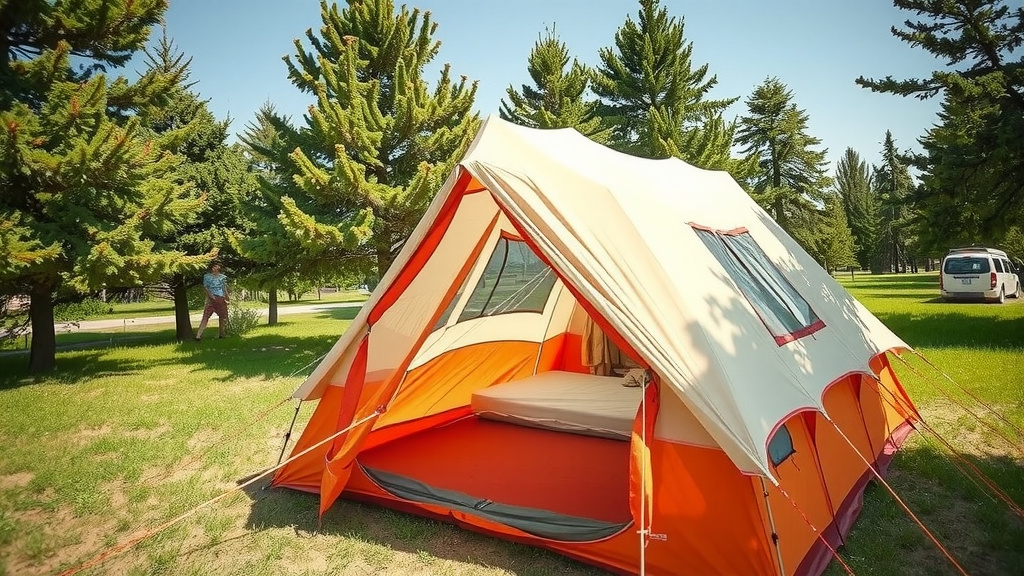
For those who spend extended periods outdoors, go camping multiple times a year, or are serious about their comfort, canvas is a fantastic choice. Its superior breathability, noise reduction, and durability make for a much more pleasant and robust camping experience, especially in varied conditions.
Tips for Maximizing Your Tent’s Lifespan
No matter which material you choose, proper care extends its life. Here’s a quick checklist:
- Always dry your tent completely before storing it. This is critical for both canvas and polyester.
- Clean your tent regularly. Wipe down dirt and debris after each trip.
- Avoid storing your tent in direct sunlight when not in use.
- Use a footprint or ground tarp to protect the tent floor.
- Repair any small tears or holes promptly to prevent them from getting bigger.
- When setting up, avoid staking too tightly or pitching in extremely high winds if avoidable.
Conclusion
You’ve seen the strengths of both canvas and polyester tents. Canvas offers a breathable, quiet, and durable shelter, making it a fantastic investment for serious campers. Polyester, on the other hand, excels in its lightweight design and affordability, perfect for casual trips. Your choice hinges on your camping frequency, budget, and desire for comfort versus portability. Consider your typical adventures and priorities carefully. Ready to gear up? Now that you understand the materials, you can confidently choose the tent that will serve you best on your next outdoor escape.
Frequently Asked Questions
Are canvas tents really worth the extra cost?
For many dedicated campers, yes. We found that while the upfront cost is higher, a well-maintained canvas tent can last for decades. Its superior breathability and noise reduction contribute to a more comfortable camping experience, which can be well worth the investment for those who spend a lot of time outdoors.
How do I prevent mildew on my canvas tent?
The key is to ensure your canvas tent is completely dry before you store it. After camping, set it up at home to air out. If it gets wet, let it dry fully, even if it takes a few days. Promptly clean off any dirt or debris.
Can polyester tents be used in heavy rain?
Yes, most modern polyester tents are designed to be highly water-resistant. They often come with waterproof coatings and well-designed rainflies. While they might be noisy in a downpour, they will generally keep you dry, especially with proper seam sealing and maintenance.
Is canvas too heavy for car camping?
Canvas tents are heavier, but for car camping, this is usually not a major issue. You’re not carrying the tent long distances. The ease of setting up a comfortable, spacious canvas tent often outweighs the extra weight when you can simply unload it from your vehicle.
Which tent material is better for hot weather camping?
Canvas typically performs better in hot weather due to its natural breathability. This allows moisture to escape, reducing condensation and making the interior feel cooler and less stuffy than a less breathable polyester tent.
![7 Best Hot Tent Stove For Backpacking [2026]](https://leonardhomeoutdoor.com/wp-content/uploads/2026/08/7-best-hot-tent-stove-for-backpacking-2026-featured-768x432.jpg)