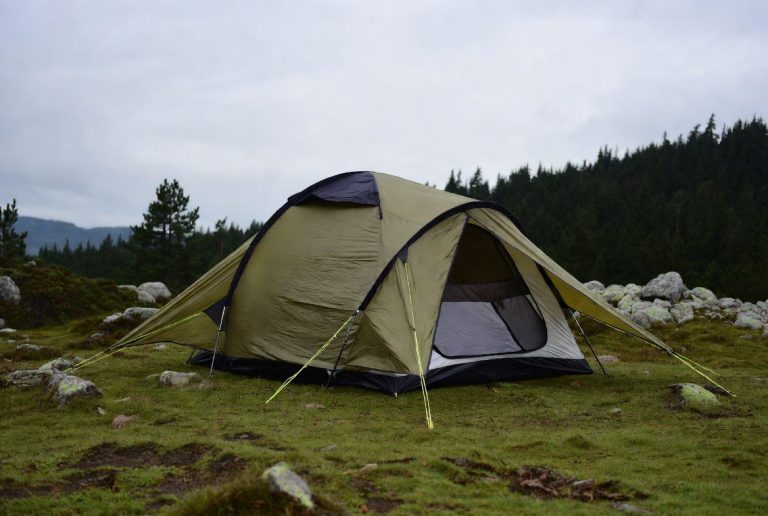
Rooftop Tent vs Trailer: Which is Best for Your Adventure
Choosing between a rooftop tent and a trailer tent really depends on your adventure style and priorities. Rooftop tents offer quick setup and keep your vehicle accessible, making them great for frequent moves. Trailer tents provide more living space and amenities but require more setup time and towing.
Both options get you closer to nature, but they do it differently. We’ve researched what makes each unique, looking at factors like setup speed, comfort, and off-road capability. Understanding these differences will help you pick the perfect outdoor home.
- Rooftop tents are quick to set up and keep your vehicle free.
- Trailer tents offer more room and amenities but take longer to deploy.
- Consider your travel frequency and need for space.
- Think about your vehicle’s towing capacity and off-road needs.
Let’s break down the pros and cons of rooftop tents versus trailer tents so you can make the best choice for your next camping trip.
Comparing Your Camping Shelter: Rooftop Tent vs. Trailer Tent
Deciding between a rooftop tent and a trailer tent is like choosing between a speedy sports car and a comfortable RV. Both get you to your adventure destination. But they offer very different experiences along the way. We’ve looked at what makes each a great camping choice. Let’s see which one fits your camping dreams best.
The Case for the Rooftop Tent
Think of a rooftop tent as your mobile treehouse. It sits right on top of your vehicle. This means you can park and get your sleeping space ready in minutes. Many find this speed a huge advantage. It’s especially great if you plan to move camp often.
Quick Setup: Your Campsite in Minutes
One of the biggest draws of a rooftop tent is its speedy setup. Most models pop open in under five minutes. You simply release a few latches and help it unfold. Then, you add a ladder, and your bed is ready. This is a lifesaver after a long day of driving or hiking.
Vehicle Access and Mobility
With a rooftop tent, your vehicle remains usable. You can still get into your car to grab snacks from the cooler or even go for a quick drive. This is a major plus for travelers who like to explore their surroundings without packing up their entire camp. Plus, they are generally more off-road friendly than trailers, fitting down narrower trails.
Comfort and Features
Don’t let their compact look fool you. Rooftop tents offer a surprisingly comfortable sleeping area. Most come with a thick foam mattress. You’re also elevated off the ground. This means you’re safe from creepy crawlies and enjoy a better view. Some higher-end models even offer annex rooms for extra space.
Types of Rooftop Tents
You’ll find two main styles. Softshell tents often fold open like a book. They usually include an attached rainfly and vestibule. Hardshell tents look like a sleek box when closed. They pop open quickly, often with gas struts. Hardshells are generally more durable and better in windy conditions.
The Advantages of a Trailer Tent
A trailer tent, sometimes called a camper trailer, is like a camper’s best friend. It’s a trailer that unfolds into a spacious tent. Think of it as bringing your living room to the campsite. These offer more room to spread out and often come with more amenities.
More Space to Live and Relax
This is where trailer tents really shine. They offer significantly more living space than rooftop tents. You get separate sleeping areas, a common area for dining or lounging, and often a full awning. This is ideal for families or groups who need extra room to stretch out. You can even stand up inside many trailer tents!
Amenities and Creature Comforts
Many trailer tents come equipped with features that make camping feel less rugged. Some have built-in kitchens with sinks and stoves. Others can be fitted with propane tanks for cooking. You can also easily add accessories like portable refrigerators or even small bathrooms. It’s camping with a side of home comfort.
Setup and Packing Considerations
The setup for a trailer tent takes longer. You’ll typically need to level the trailer. Then, you unfold the tent sections and set up poles and the awning. Packing it back up is also a multi-step process. It can take anywhere from 30 minutes to over an hour. This makes them less ideal for frequent moves.
Towing Requirements
You’ll need a vehicle with sufficient towing capacity. Smaller trailer tents might be towable by most SUVs. Larger ones may require a truck. You also need to be comfortable towing a trailer. This adds a layer of complexity to driving and parking.
Making Your Choice: Key Factors to Consider
So, how do you pick the right one for your adventures? Let’s break down the deciding factors. Think about how you like to travel and what’s most important to you.
Your Travel Style and Frequency
If you love chasing sunsets and moving your campsite every night, a rooftop tent is likely your winner. Its quick setup means less time packing and more time exploring. If you prefer setting up a comfortable base camp and staying put for several days, a trailer tent might be a better fit. You’ll have more room to relax and enjoy your surroundings.
Vehicle Capabilities and Terrain
Consider your vehicle’s towing capacity and ground clearance. A rooftop tent adds weight to your vehicle but doesn’t affect its maneuverability much off-road. Trailer tents require towing. Their setup can also limit access to very rough or narrow trails. Many experts suggest pairing a trailer tent with a capable tow vehicle for backcountry trips.
Budget and Long-Term Value
Both options have a range of prices. Rooftop tents can be more affordable initially than some high-end trailer tents. However, trailer tents often offer more integrated features for the price. Think about what you’ll need to buy separately for each option. Sometimes, the trailer tent includes more, saving you money in the long run.
Quick Checklist for Your Decision
To help you decide, ask yourself these questions:
- How often will you camp each year?
- Do you usually travel solo, as a couple, or with a family?
- How important is quick setup time after a long drive?
- Does your vehicle have a good towing capacity?
- Do you prefer more living space or easy mobility?
- What’s your overall budget for camping gear?
| Feature | Rooftop Tent | Trailer Tent |
|---|---|---|
| Setup Speed | Very Fast (under 5 min) | Slower (30 min – 1+ hr) |
| Living Space | Compact, good for sleeping | Spacious, with room to relax |
| Vehicle Access | Vehicle remains fully usable | Vehicle needed for towing only |
| Off-Road Capability | Generally high; minimal impact | Depends on trailer; can be limited |
| Amenities | Basic (mattress); add-ons possible | Can include kitchens, storage, etc. |
| Towing Required | No | Yes |
Conclusion
You’ve seen how a rooftop tent and a trailer tent cater to different adventure styles. Rooftop tents are your go-to for quick setups and easy mobility, perfect for explorers on the move. Trailer tents offer a more spacious and amenity-rich experience, ideal for families or longer stays at a base camp. Consider your travel frequency, vehicle’s towing power, and desired comfort level. Your next adventure awaits, so make the choice that best aligns with your personal journey and start planning!
Frequently Asked Questions
Can I use a rooftop tent if I have a small car?
Generally, rooftop tents require crossbars strong enough to support them, plus the weight of occupants. Many smaller cars can support lighter rooftop tents with the right rack system. Always check the weight limits for both your vehicle’s roof and your crossbars before purchasing.
How much extra weight does a trailer tent add to my vehicle when towing?
The weight of a trailer tent can vary significantly. Lightweight models might weigh around 500-700 pounds, while larger, more equipped ones can reach 1500-2000 pounds or more. You must ensure your vehicle’s towing capacity comfortably exceeds the trailer’s loaded weight.
Are rooftop tents safe from wildlife?
Yes, rooftop tents offer a good measure of safety from ground-dwelling wildlife. You are elevated off the ground, making it difficult for animals like raccoons, snakes, or insects to access your sleeping area. This elevation also provides a better vantage point.
How difficult is it to set up a trailer tent in bad weather?
Setting up a trailer tent in bad weather can be challenging. The longer setup process means more exposure to rain or wind. Some trailer tents have options for quicker setup or enclosed awnings that can help shield you during deployment.
What happens if I want to drive somewhere after setting up my rooftop tent?
A major advantage of rooftop tents is that your vehicle remains fully accessible. You can simply pack up the ladder, close the tent, and drive away. This makes spontaneous explorations or quick grocery runs very convenient without dismantling your entire sleeping setup.
![7 Person Tents [2026]](https://leonardhomeoutdoor.com/wp-content/uploads/2026/08/7-person-tents-2026-featured-768x432.jpg)