Tent Camping vs Car Camping: Which Is Right For You
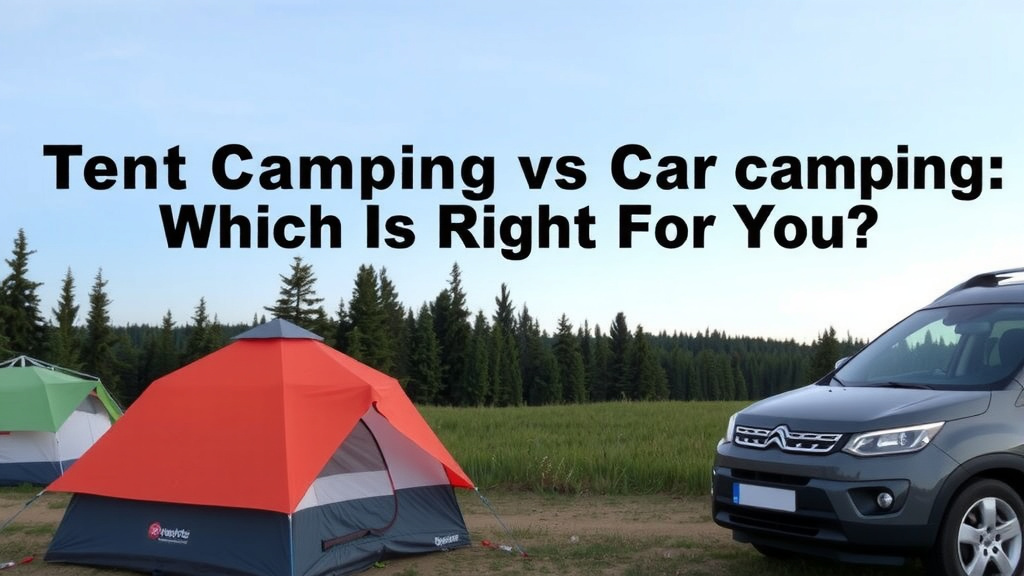
Deciding between tent camping and car camping really depends on your adventure style. Tent camping offers a more traditional, immersive outdoor experience, while car camping provides greater comfort and convenience by allowing you to park your vehicle right at your campsite.
We found that both methods offer unique ways to enjoy nature. Tent camping often means carrying your gear further, leading to a deeper connection with the wild. Car camping, on the other hand, lets you bring more creature comforts and makes setting up camp much simpler.
- Tent camping: Closer to nature, requires more hiking with gear.
- Car camping: More convenience, easier setup, more comfort items.
- Both offer great ways to enjoy the outdoors.
- Your choice depends on your priorities for the trip.
Let’s break down the key differences between tent camping and car camping to help you pick the perfect trip.
Choosing Your Campsite Adventure: Tent vs. Car Camping
The biggest difference between tent camping and car camping is proximity to your vehicle. This one factor impacts everything from how much gear you can bring to where you can set up camp. We’ve found that understanding this core distinction helps immensely in planning your perfect outdoor escape.
The Heart of Tent Camping: Simplicity and Immersion
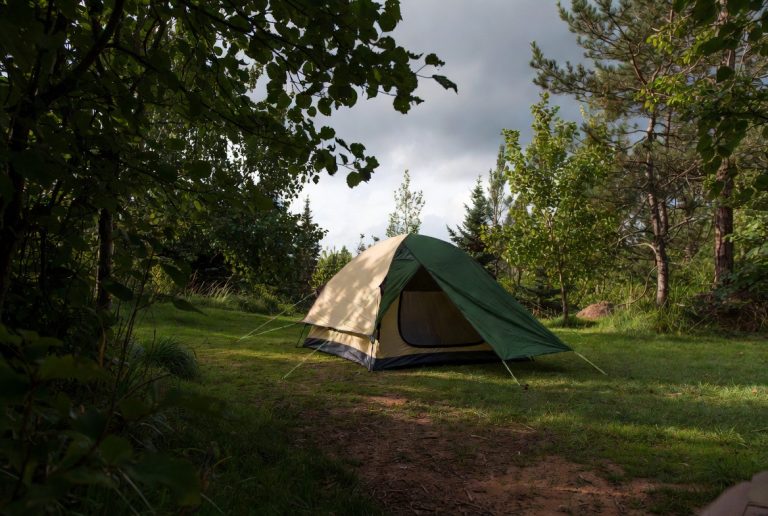
Tent camping is often what comes to mind when you picture traditional camping. It’s about carrying your gear to a designated spot, sometimes a good hike away from where you parked your car. This method encourages a minimalist approach.
Gear Up for the Trek
Because you’ll be carrying everything, weight and bulk are your main concerns. Think lightweight tents, compact sleeping bags, and backpacking stoves. You’re aiming for efficiency. Many campers find that this challenge of carrying gear actually deepens their connection to the wilderness.
Campsite Location Freedom
The upside? You aren’t limited to drive-up campsites. With a backpack, you can venture into more secluded areas. Think backcountry trails, remote lakes, or mountaintop vistas. This offers a sense of solitude and adventure that car camping often can’t match.
Embracing the Outdoors
Tent camping often means you’re more exposed to the elements. You’ll hear the rustling leaves, the chirping crickets, and the distant calls of wildlife. It’s a more primal, sensory experience. Many research studies show that spending time in nature reduces stress (NCBI).
Car Camping: Comfort Meets Convenience
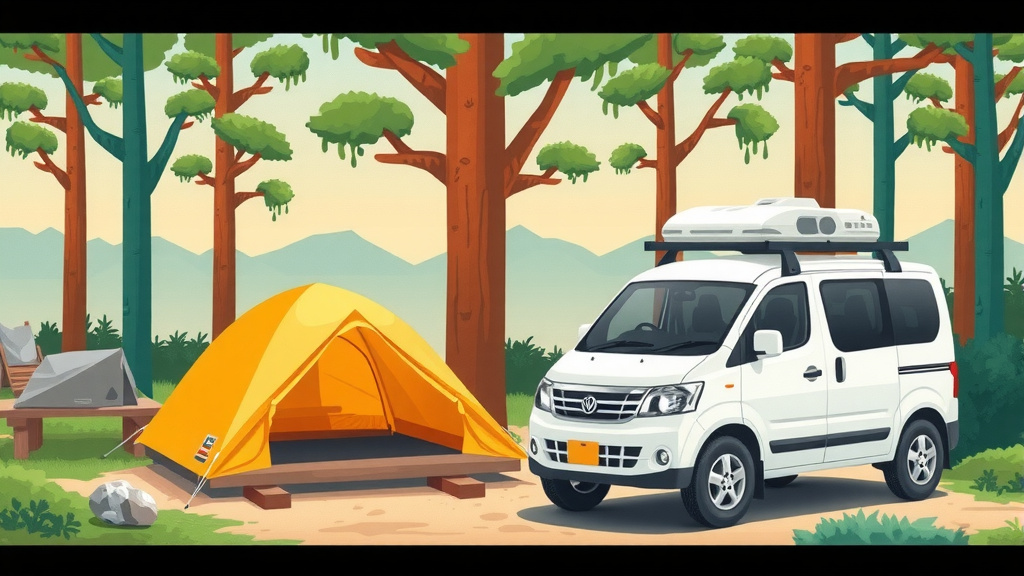
Car camping is all about having your vehicle right there at your campsite. This convenience opens up a world of possibilities for comfort and ease. It’s perfect for families, groups, or anyone who wants to enjoy the outdoors without roughing it too much.
Your Vehicle as a Mobile Base Camp
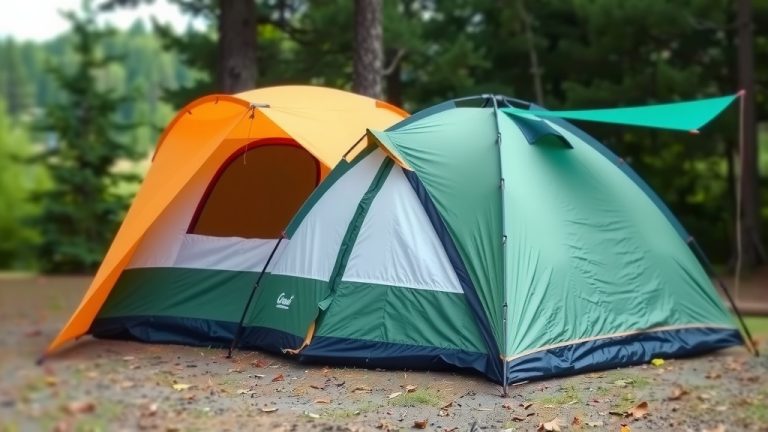
Your car acts as a giant storage unit. You can bring chairs, coolers packed with all your favorite foods, a larger tent, and even a small portable grill. Forget the minimalist approach; car camping lets you pack for comfort. Think of it like bringing your living room into the forest. If you’re considering specific brands for car camping, our comparison of Ozark Trail tents might be helpful.
Setting Up Camp Made Easy
No need to haul heavy gear long distances. You can park your car, unload your equipment, and have your campsite set up in no time. This saves a lot of energy, especially after a long drive. It means more time for relaxation and activities.
Accessibility for Everyone
Car camping is generally more accessible. Many campgrounds designed for car camping have amenities like restrooms, running water, and even picnic tables. This makes it a great option for those who are new to camping or have physical limitations. It’s a comfortable way to introduce friends and family to the joys of camping.
Key Differences at a Glance
Let’s break down how these two styles compare side-by-side. We’ve put together a table to highlight the main distinctions. This should help you visualize what each type of trip might entail.
| Feature | Tent Camping | Car Camping |
|---|---|---|
| Vehicle Access | Distant parking, hike to site | Vehicle parked at campsite |
| Gear Capacity | Limited by pack size/weight | Much higher, limited by vehicle size |
| Campsite Choice | Wider range, including remote areas | Primarily designated drive-up sites |
| Comfort Level | More basic, focused on essentials | Higher, can bring more amenities |
| Setup Time | Can be longer due to gear hauling | Generally quicker |
| Physical Effort | Higher for gear transport | Lower for camp setup |
Weight vs. Wonderful Amenities
Tent camping is all about shedding weight. Every ounce counts when it’s on your back. Car camping, on the other hand, allows for creature comforts. Imagine a real camp chair, a bigger cooler, or even a small propane fire pit. It’s about prioritizing ease and enjoyment.
Location, Location, Location
Where do you want to sleep? Tent camping can take you to pristine, undeveloped spots. You might be miles from the nearest road. Car camping keeps you within the confines of established campgrounds. These often offer amenities but may be less secluded. Many park services highlight the importance of Leave No Trace principles for all camping types (National Park Service).
Making the Right Choice for Your Trip
So, which is best for you? It truly depends on your priorities for this specific outing. Are you seeking solitude and a physical challenge, or comfort and convenience?
Consider Your Camping Companions
Are you going solo, with a partner, or with a family that includes young children? Car camping is often a better choice for families. It makes managing gear and keeping everyone comfortable much easier. For experienced backpackers, tent camping might be the preferred adventure.
What Kind of Experience Do You Crave?
If your dream camping trip involves waking up to a sunrise over a remote lake after a long hike, tent camping is your path. If you envision relaxing in a camp chair with a good book next to your car, enjoying a well-chilled drink, car camping fits the bill. Both are fantastic ways to connect with nature. We found that the best trips are the ones where your chosen method aligns with your expectations.
Your Pre-Trip Checklist:
Before you head out, ask yourself these quick questions:
- Do I want to hike my gear in?
- Am I prioritizing comfort or minimalism?
- How much food and cooking equipment do I want?
- Are there specific remote locations I want to visit?
- What is the fitness level of everyone in my group?
- What amenities are important for this trip?
Conclusion
You’ve learned that the choice between tent camping and car camping hinges on your personal trip goals. Tent camping offers deep immersion and freedom to explore wilder places, demanding a lighter pack. Car camping prioritizes ease, comfort, and bringing along more amenities. We found that understanding the trade-offs between weight and convenience is key. Consider your companions, your desired level of comfort, and the type of adventure you truly crave. Your next step? Think about your upcoming trip and pick the camping style that best aligns with making lasting memories outdoors.
Frequently Asked Questions
Can I do tent camping if I’m a beginner?
Absolutely! Starting with tent camping doesn’t have to be difficult. You can select a campground that allows you to park a short distance away, making gear transport easier. Focus on learning basic camping skills in a more controlled environment before venturing further out.
What’s the biggest advantage of car camping for families?
The biggest advantage is convenience and comfort for everyone, especially children. You can easily bring extra blankets, snacks, and gear for entertainment. Plus, having your car nearby makes it simple to pack up quickly if weather changes or if someone needs to leave early.
How do I choose a campsite that’s good for either tent or car camping?
For car camping, look for designated drive-up campsites in established campgrounds. For tent camping, research backcountry sites or dispersed camping areas. Some parks offer walk-in tent sites, which are a great compromise – you hike a short distance to a secluded spot but are still relatively close to parking.
Is tent camping always more expensive than car camping?
Not necessarily. While lightweight backpacking gear can be an investment, tent camping itself often means fewer campsite fees if you’re dispersed camping. Car camping might involve paying for designated sites, but you might also save money by bringing more home-prepared food instead of buying meals on the go.
What if I want a little bit of both experiences?
That’s a great question! Many campgrounds offer “walk-in” tent sites. These spots are a short walk from where you park your car, offering a bit more seclusion than a typical car campsite but still allowing you to bring more gear than traditional backpacking. It’s a fantastic middle ground.
![7 Best Cat Tent [2026]](https://leonardhomeoutdoor.com/wp-content/uploads/2026/08/7-best-cat-tent-2026-featured-768x432.jpg)
![7 Best Places To Tent Camp In California [2026]](https://leonardhomeoutdoor.com/wp-content/uploads/2026/09/7-best-places-to-tent-camp-in-california-2026-featured-768x432.jpg)