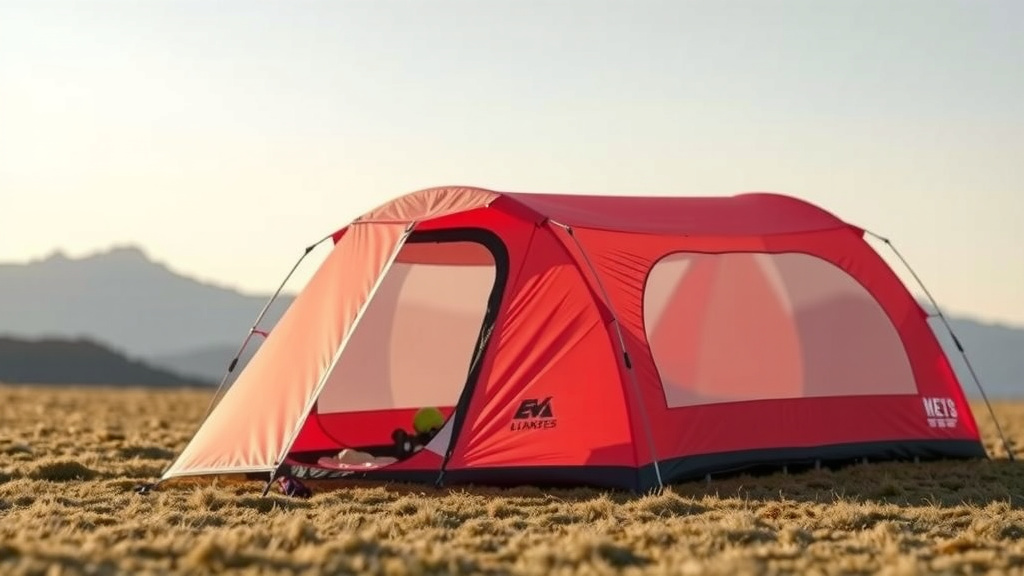
Nylon vs Polyester Tents: Which Material is Best
When choosing your next tent, the big decision often comes down to nylon vs. polyester. While both fabrics are popular choices, polyester generally offers better UV resistance and less stretch when wet, making it a slightly more stable and durable option for camping. Nylon, on the other hand, is often lighter and more tear-resistant, which can be appealing for backpacking.
The best fabric for your tent really depends on your camping style and priorities. If you’re looking for something that can withstand intense sun and won’t sag in the rain, polyester might be your winner. If weight is your absolute top concern, and you don’t mind being extra careful with UV exposure, nylon could work well. We found that understanding these differences can help you pick the perfect shelter.
- Polyester is usually better against UV rays and rain.
- Nylon is often lighter and harder to rip.
- Consider your camping type to choose the right fabric.
- Both have pros and cons, so weigh them carefully.
Let’s break down the key differences between nylon and polyester tent fabrics so you can make the smartest choice for your next adventure.
Understanding Your Tent Fabric Options: Nylon vs. Polyester
Choosing the right tent fabric can feel like a puzzle. You want a tent that’s durable, lightweight, and keeps you dry. Nylon and polyester are the two most common materials you’ll find. We’ve researched these fabrics to help you understand their strengths and weaknesses. Let’s dive into what makes each one tick and which might be the best fit for your camping style.
Polyester: The Sunny Day Champion
Polyester is a synthetic fabric known for its excellent performance in various weather conditions. Many outdoor gear manufacturers prefer it for its reliability. It offers a great balance of features for most campers.
UV Resistance: Polyester’s Strong Suit
One of polyester’s biggest advantages is its resistance to ultraviolet (UV) rays. Think of it like sunscreen for your tent. Unlike nylon, polyester doesn’t break down as quickly when exposed to the sun’s harsh rays. Research shows that prolonged UV exposure can degrade fabric strength (NCBI).
This means your polyester tent is likely to last longer if you often camp in sunny spots. You won’t have to worry as much about the fabric becoming brittle or losing its integrity over time. This is a huge plus for anyone who loves a long weekend under the sun.
Water and Stretch: Staying Taut
When it comes to rain, polyester really shines. It has a low stretch factor, meaning it doesn’t absorb much water and won’t sag when it gets wet. This is a critical difference from nylon. Imagine setting up your tent before a storm. A sagging tent can pool water, leading to leaks and an uncomfortable night.
Polyester’s low stretch ensures your tent fly stays taut, helping water run off effectively. This stability means a better pitching experience, even in damp conditions. You’ll find your tent maintains its shape, offering reliable protection.
Durability and Tear Strength
While perhaps not as inherently tear-resistant as nylon, polyester is still a very durable fabric. It holds up well against abrasion and general wear and tear. We found that its construction can be quite robust.
Manufacturers often coat polyester with polyurethane or silicone for added waterproofing and strength. This makes it a dependable choice for years of camping adventures. Its ability to withstand friction makes it suitable for tents that might see some rough handling.
Nylon: The Lightweight Wonder
Nylon is another fantastic synthetic material, often favored for its lightweight properties. If you’re a backpacker where every ounce counts, nylon might catch your eye. If you’re a backpacker where every ounce counts, nylon might catch your eye, and our guide to backpacking tents for cold weather can help.
Lightweight Champion
The most significant benefit of nylon is its impressive weight-to-strength ratio. It’s incredibly strong for how little it weighs. This makes it a top choice for ultralight backpacking tents and gear where reducing pack weight is a priority.
For those long treks into the backcountry, shaving off even a few ounces can make a big difference. We’ve seen many high-performance tents that rely on nylon’s light nature. If your goal is to carry less, nylon is certainly worth considering.
Tear Resistance: Tougher Than it Looks
Nylon boasts excellent tensile strength and is very resistant to tearing. This means once a tear starts, it’s less likely to rapidly spread compared to some other materials. It’s quite tough, capable of handling snags and rough terrain.
This inherent toughness can give you peace of mind when setting up camp in areas with sharp branches or rocky ground. You want your tent to be a reliable shield, and nylon’s resilience helps with that. Many experts agree that its toughness is a key selling point (Outdoor Industry Association).
UV Sensitivity: The Achilles’ Heel
Here’s where nylon faces a challenge: UV degradation. Nylon is more susceptible to damage from prolonged sun exposure than polyester. Over time, UV rays can weaken its fibers, making it less durable and potentially leading to premature failure.
If you plan on camping extensively in high-altitude, sunny environments, or leaving your tent set up for long periods, this is a factor to seriously consider. Many manufacturers mitigate this with UV-resistant coatings, but it’s still an area where polyester typically holds an edge.
Water Absorption and Stretch: A Slight Drawback
Nylon tends to absorb more moisture than polyester. When it absorbs water, nylon also stretches significantly. This can cause your tent fly to sag, especially in humid or rainy conditions.
As we mentioned earlier, a sagging tent can lead to water pooling and potential leaks. While this is a drawback, it’s not a dealbreaker for everyone. It just means you might need to re-tension your guylines more frequently if you encounter wet weather.
Comparing the Fabrics: A Quick Overview
To help you visualize the differences, let’s put it all together in a table. This should make it easier to weigh the pros and cons for your specific needs.
| Feature | Polyester | Nylon |
|---|---|---|
| UV Resistance | Excellent | Good (but degrades faster) |
| Water Absorption | Low | Higher |
| Stretch When Wet | Minimal | Significant |
| Weight | Moderate | Very Lightweight |
| Tear Strength | Good | Excellent |
| Cost | Often slightly less expensive | Can be more expensive |
Making Your Choice: What’s Right for You?
So, how do you decide? Think about your typical camping trips. Are you mostly car camping with weekend trips, or are you tackling multi-day backpacking expeditions?
Consider Your Camping Style
If you primarily car camp, set up at a campsite for a few days, and don’t worry too much about a few extra ounces, polyester might be your best bet. Its superior UV resistance and stability in wet conditions offer long-term durability and reliability.
For backpackers, the allure of nylon’s lightweight nature is hard to ignore. If you’re constantly monitoring your pack weight and prioritize saving every ounce, nylon is likely the fabric you’ll lean towards. Just be mindful of its UV sensitivity and moisture absorption.
A Quick Checklist for Your Decision
Here’s a simple way to think about your priorities:
- How important is low weight to you?
- Do you camp in very sunny conditions often?
- Do you expect to encounter a lot of rain or humidity?
- Will your tent be set up for extended periods?
- Is budget a major deciding factor?
- How important is a tent that stays tight and taut in all weather?
By answering these questions, you’ll start to see which fabric aligns best with your adventures. Both materials have served campers well for years, and the “better” choice truly depends on what you value most in your outdoor gear.
Conclusion
Choosing between nylon and polyester for your next tent boils down to your personal camping adventures. If your trips are often sunny and you value a stable, sag-free shelter in the rain, polyester is likely your winner. For backpackers prioritizing every ounce and dealing with less intense sun, nylon’s lightness and strength are hard to beat. We found that understanding these core differences empowers you to make an informed decision. Think about your usual destinations and priorities, and you’ll find the perfect fabric to keep you comfortable and protected on the trail.
Frequently Asked Questions
Which fabric is better for car camping?
For car camping, where weight is less of a concern and your tent might sit out in the sun for longer periods, polyester often makes more sense. Its superior UV resistance and stability in wet weather mean your tent will likely last longer and require less frequent adjustments.
Is nylon or polyester better for humid climates?
Polyester is generally better for humid climates. It absorbs less moisture and stretches far less when wet, preventing your tent from sagging and potentially pooling water. Nylon’s tendency to stretch when damp can lead to leaks in consistently humid conditions.
Can I repair a tear in nylon or polyester tent fabric?
Yes, both nylon and polyester tent fabrics can be repaired. You can use specialized tent repair tape or fabric patches to fix small tears or holes. For more significant damage, seam sealing or professional repair might be necessary.
Does nylon’s stretchiness affect tent setup?
Nylon’s stretchiness when wet means you might need to re-tension your guylines during or after rain to keep the tent fly taut. Polyester tents tend to stay more consistently tight, offering a slightly simpler setup and maintenance experience in damp weather.
Which fabric is typically more affordable?
Generally, polyester tent fabrics are often slightly less expensive than nylon. This can make polyester a more budget-friendly option, especially for larger tents or for those who are not focused on ultralight gear for backpacking.