RV vs Tent Camping: Which Is Right For You
Choosing between an RV and a tent depends on your Our guide to camper vs tent camping can help you decide.travel style and comfort needs. An RV offers convenience and amenities like a kitchen and bathroom, while tent camping provides a more immersive outdoor experience at a lower cost. We found that RVs are best for longer trips and families, whereas tents shine for shorter, budget-friendly adventures.
Your decision hinges on what you want from your trip. Are you dreaming of cozy nights under the stars with the smell of campfire, or do you prefer a soft bed and a hot shower after a day of exploring? We’ve seen that both offer fantastic ways to connect with nature, but they cater to very different preferences for comfort and adventure.
- RV: More comfort, amenities, higher cost, less “roughing it.”
- Tent: Budget-friendly, close to nature, more effort required. Consider a budget waterproof tent for your next trip.
- Consider your trip length and who you’re traveling with.
- Think about your tolerance for weather and bugs.
Let’s break down the pros and cons of each so you can pick the perfect way to enjoy your next getaway.
RV Camping Versus Tent Camping: Which is Right for You?
The choice between an RV and a tent camping trip really boils down to your personal preferences. Do you dream of waking up to the sounds of nature right outside your door, or do you prefer the convenience of a fully equipped living space? We’ve found that both offer incredible ways to connect with the outdoors, but they cater to very different travel styles and comfort levels. Let’s look at what makes each one unique.
The Comforts of an RV
RVs, or recreational vehicles, are like bringing your home on wheels. They come in various sizes, from large motorhomes to smaller travel trailers. Think of them as mobile hotel rooms with kitchens, bathrooms, and beds. Many experts suggest RVs are a great option for families or those who plan extended trips away from civilization.
Amenities Galore
One of the biggest draws of an RV is the sheer convenience. You have access to a refrigerator for your food, a stove to cook full meals, and a private bathroom with a shower. This means no more fumbling for toilet paper in a public restroom or worrying about running out of ice for your cooler. You can cook gourmet meals or simply heat up leftovers. Plus, the bed is always made and comfortable, a real luxury after a long day of hiking or sightseeing.
Weatherproof and Bug-Free
Bad weather can really put a damper on a camping trip, especially when you’re in a tent. With an RV, you’re protected. A sudden downpour? No problem, you’re snug inside. Freezing temperatures? Your RV has heating. Sweltering heat? Air conditioning is usually standard. And let’s not forget the bugs. While you can certainly enjoy the fresh air with the windows open, you also have the option to zip everything up tight and keep the mosquitoes and other critters outside. This all-weather capability makes RVing suitable for more months of the year.
The RV Cost Factor
Now, let’s talk about the flip side. Owning an RV is a significant investment. There’s the purchase price, which can range from thousands to hundreds of thousands of dollars. Then you have ongoing costs like insurance, maintenance, storage, and fuel. Renting an RV can be a good way to try it out, but even that adds up quickly for longer trips. Many sources suggest that for infrequent campers, the initial cost and upkeep might outweigh the benefits.
The Simplicity of Tent Camping
Tent camping is the classic way to experience the outdoors. It’s about getting back to basics and embracing the natural environment. When you pitch a tent, you’re truly immersed in the sights, sounds, and smells of nature. This is the choice for many who seek an authentic connection with the wilderness.
Getting Closer to Nature
There’s something incredibly special about waking up to the sunrise painting the sky just beyond your tent flap. You hear the birds chirping, the rustling of leaves, and the gentle flow of a nearby stream. It’s an experience that RVs, with their insulated walls, can’t quite replicate. Tent camping allows you to feel the breeze, smell the pine trees, and gaze up at a sky filled with stars, unobstructed by artificial light. Many researchers have noted the mental health benefits of such immersive nature experiences.
Budget-Friendly Adventures
For most people, the most attractive aspect of tent camping is the low cost. A decent tent can be purchased for a few hundred dollars or even less. Campsite fees for tent sites are typically much cheaper than RV sites, if there’s a fee at all. You don’t have the expensive fuel costs associated with driving a large RV, and maintenance is minimal. This makes tent camping an accessible option for almost everyone, regardless of budget.
The Effort and Essentials
Tent camping does require a bit more effort. You need to pack all your gear, set up the tent at your campsite, and manage your food and sanitation more directly. This often involves coolers, portable stoves, and perhaps a camp shower. You’ll also need to be prepared for varying weather conditions and potential encounters with insects. Many guides advise having a good quality tent, sleeping bags rated for the expected temperatures, and a reliable first-aid kit.
| Feature | RV Camping | Tent Camping |
|---|---|---|
| Comfort Level | High (beds, climate control, private bath) | Basic (sleeping bags on ground, exposed to elements) |
| Cost (Initial & Ongoing) | High (purchase/rental, insurance, fuel, maintenance) | Low (tent purchase, minimal site fees) |
| Amenities | Full kitchen, bathroom, electricity, water | Basic (requires portable stoves, coolers, possibly camp showers) |
| Connection to Nature | Moderate (windows offer views, but you’re insulated) | High (direct exposure to elements, sounds, and smells) |
| Setup/Teardown | Minimal (parking, leveling, hookups) | Requires tent pitching, sleeping bag setup, etc. |
| Weather Preparedness | Excellent (climate control) | Requires careful gear selection and can be challenging in extremes |
Choosing Your Adventure Style
To help you decide, ask yourself these questions. How important is a hot shower after a day of exploring? Do you mind sleeping on the ground, or do you need a proper mattress? Are you traveling with young children who might appreciate the comforts of home? Our research indicates that families often lean towards RVs for the ease they provide.
Consider the length of your trip. For a quick weekend getaway, pitching a tent might be simpler and more economical. For a multi-week road trip across the country, the amenities and comfort of an RV can make a huge difference in your overall enjoyment. Many experienced travelers find that the investment in an RV pays off for longer journeys.
A Quick Checklist for Your Decision
To make your choice easier, consider these points:
- Your Budget: Can you afford the upfront costs and ongoing expenses of an RV?
- Your Comfort Needs: Do you crave creature comforts like a real bed and bathroom?
- Your Travel Companions: Are you traveling solo, as a couple, or with a family with young kids?
- Your Tolerance for the Elements: How well do you handle heat, cold, rain, and bugs?
- Your Desired Level of Immersion: Do you want to feel completely surrounded by nature, or prefer a more controlled environment?
- Your Trip Duration and Frequency: Will you be camping often and for long periods, or just a few times a year?
Conclusion
Deciding between an RV and a tent is about aligning your trip with your personal travel style. You’ve seen that RVs offer comfort and convenience, making them ideal for families and longer journeys. Tent camping, on the other hand, provides a more immersive nature experience at a budget-friendly price. Consider your budget, comfort needs, and desired connection to the outdoors. We encourage you to weigh these factors and choose the adventure that will bring you the most joy on your next getaway. Your perfect camping trip awaits!
Frequently Asked Questions
Can you take an RV to any campsite?
No, not all campsites are equipped for RVs. You’ll need to find designated RV sites, which often have hookups for electricity, water, and sewage. Tent sites are typically more primitive and widely available.
Is tent camping harder than RV camping?
Tent camping generally requires more physical effort. You need to set up your tent, manage food storage without refrigeration, and be prepared for direct exposure to the elements. RVs offer a more comfortable and self-contained experience.
What is the biggest cost difference between RV and tent camping?
The biggest cost difference lies in the initial investment and ongoing expenses. RVs are very expensive to buy or rent, plus they have costs for fuel, insurance, and maintenance. Tent camping is much cheaper, with the primary cost being the purchase of a tent and basic gear.
Which is better for beginners, RV or tent camping?
For absolute beginners prioritizing ease and comfort, an RV rental might be simpler. However, for those wanting to learn outdoor skills and connect with nature on a budget, tent camping offers a great entry point with less initial financial commitment.
How do you handle bad weather while tent camping?
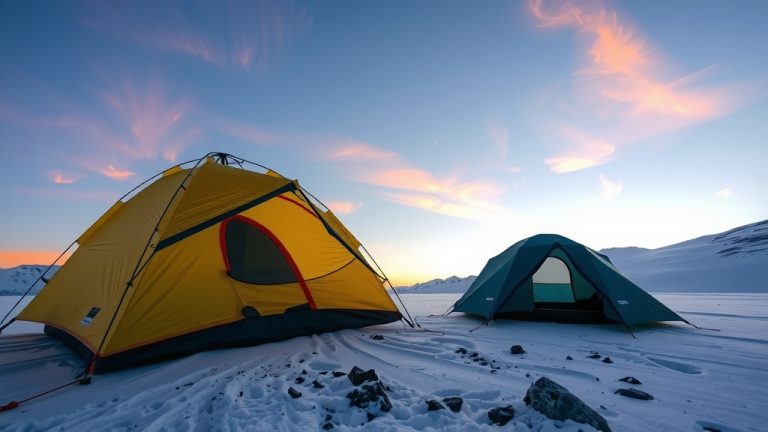
You handle bad weather with proper gear and preparation. This means having a waterproof tent, good quality sleeping bags, and clothing layers. Having a tarp can provide extra shelter, and knowing when to pack up and leave is also important for safety.
![7 Best Backpacking Tent For Bad Weather [2026]](https://leonardhomeoutdoor.com/wp-content/uploads/2026/07/7-best-backpacking-tent-for-bad-weather-2026-featured-768x432.jpg)