Tent Trailer vs Tent: Which Camping Style Wins
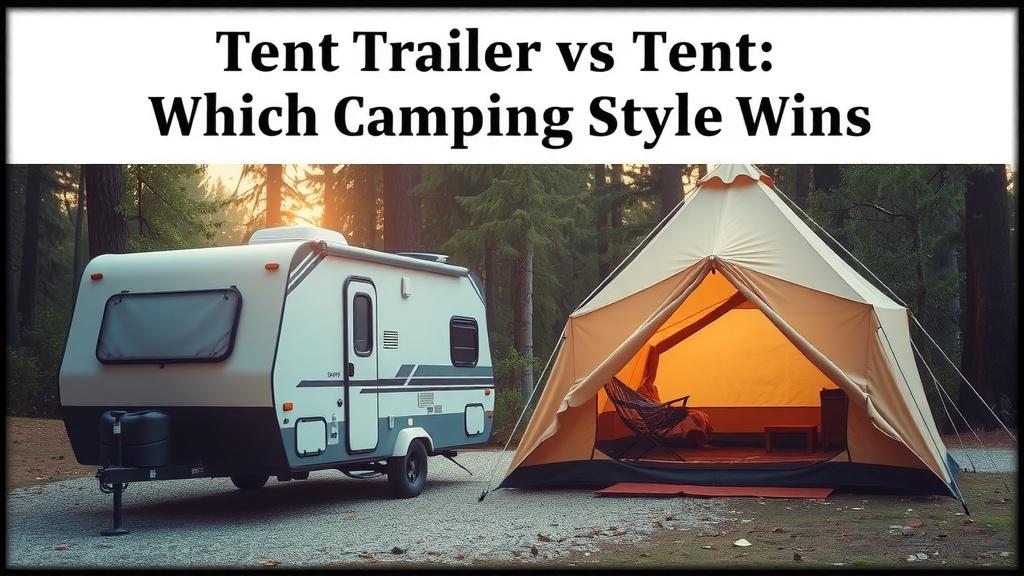
Choosing between a tent trailer and a tent depends on your camping style and priorities. A tent trailer offers more comfort and protection, while a traditional tent is simpler and more affordable. We found that tent trailers provide a solid sleeping platform and shelter from bugs, whereas tents give you a direct connection to the outdoors.
Think about your typical camping trip. Are you heading to a busy campground or deep into the backcountry? We researched that tent trailers are great for families or those who want amenities like beds and storage without the full RV experience. Tents, on the other hand, are perfect for minimalist campers who prioritize portability and low cost.
- Tent trailers offer comfort, protection, and convenience.
- Traditional tents are lightweight, affordable, and connect you to nature.
- Consider your camping frequency and desired amenities.
- Think about setup time and weather protection needs.
Let’s dive into the details to help you decide which camping companion is right for your next adventure.
Tent Trailers vs. Traditional Tents: What’s Best for You?
Choosing between a tent trailer and a traditional tent is a big decision for your camping adventures. We researched that each option offers a unique camping experience. A tent trailer gives you comfort and convenience. A tent offers a more basic connection to nature. Let’s break down the differences to help you pick. Choosing between a camper and tent camping is a big decision for your camping adventures.
Comfort and Convenience Factors
When you think about camping comfort, a tent trailer often comes out ahead. It provides a raised sleeping platform. This gets you off the cold, damp ground. Many tent trailers come with built-in beds. This means no more unrolling sleeping pads in the dark. We found that this is a huge plus for many campers, especially those with achy backs or who aren’t big fans of sleeping directly on the ground. You also get protection from bugs and critters. This is a major advantage over a simple tent. Some tent trailers even offer small kitchenettes. This makes meal prep much easier.
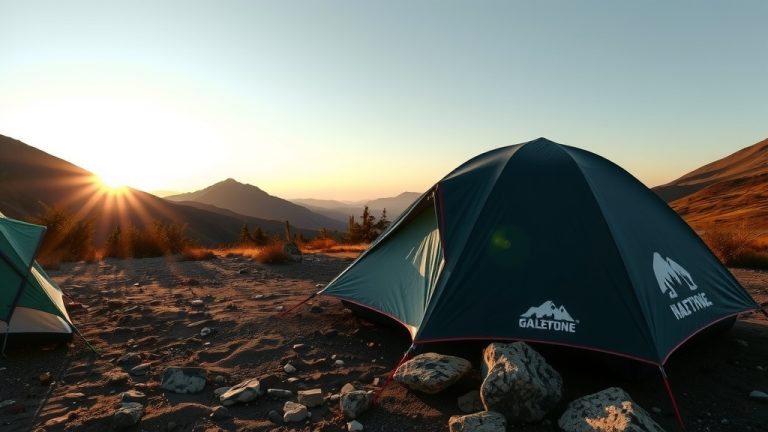
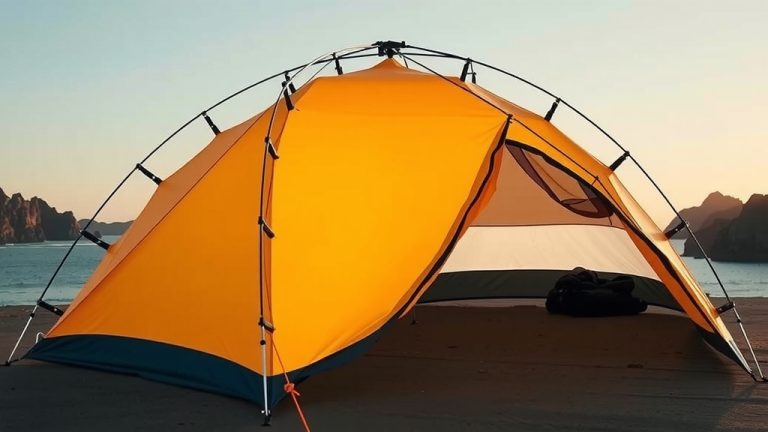
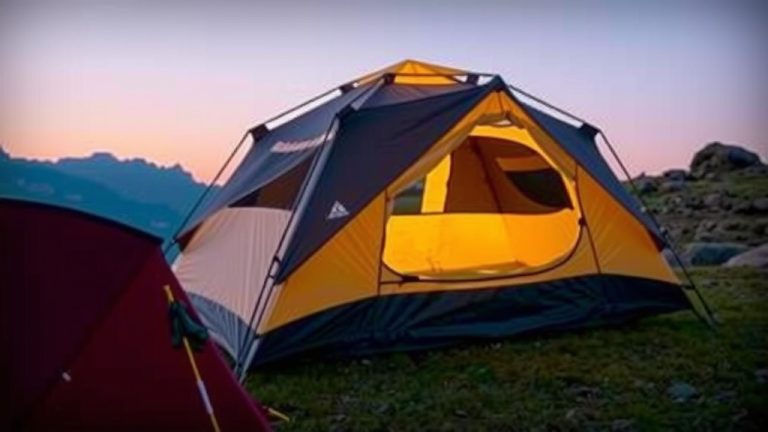
On the flip side, a traditional tent offers a different kind of convenience: simplicity and portability. Setting up a tent is usually a quick process. You can pop one up in minutes with practice. They are lightweight and can be carried easily. This makes them ideal for backpacking or camping where you need to carry all your gear. You get a direct connection to the outdoors. You can hear the rain on the fabric, smell the pine trees, and feel closer to nature. This connection is what many campers love most about tents.
Space and Storage Considerations
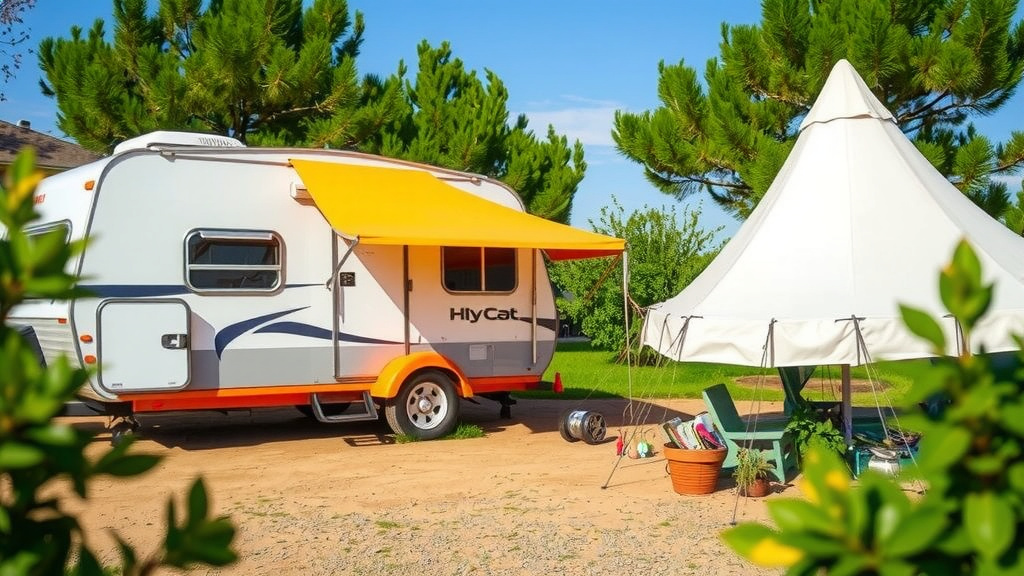
Tent trailers generally offer more interior space than a typical tent. When set up, they often have a canvas or fabric pop-up section. This creates a living area inside. Some models even have slide-outs that extend the living space further. You also benefit from dedicated storage compartments. These are perfect for keeping your camping gear organized and protected from the elements. This means less clutter inside your sleeping area. We found that this extra space is great for families or groups who need room to move around. It also helps keep your belongings dry and out of the way.
Tents, by their nature, are more compact. While some larger tents can feel spacious, they typically lack the dedicated storage of a tent trailer. You’ll likely be keeping your gear inside the tent with you. This can sometimes feel cramped, especially if you have a lot of equipment. However, the minimalist approach of tent camping means you learn to pack efficiently. Many campers find that they don’t need as much gear as they initially thought when sleeping in a tent. You might have a designated spot for your backpack and sleeping bag, but that’s often it. We found that this simplicity can be quite liberating.
Weather Protection: A Key Difference
When it comes to bad weather, tent trailers offer a significant advantage. Their sturdy construction and solid base provide superior protection from wind and rain. The fabric used is typically more robust than tent material. This means less flapping in the wind and a drier interior during downpours. Many tent trailers also have hard sides or a solid roof, offering an extra layer of security. We found that camping in a tent trailer can feel much more like being in a small cabin when the weather turns sour. You are less exposed to the elements.
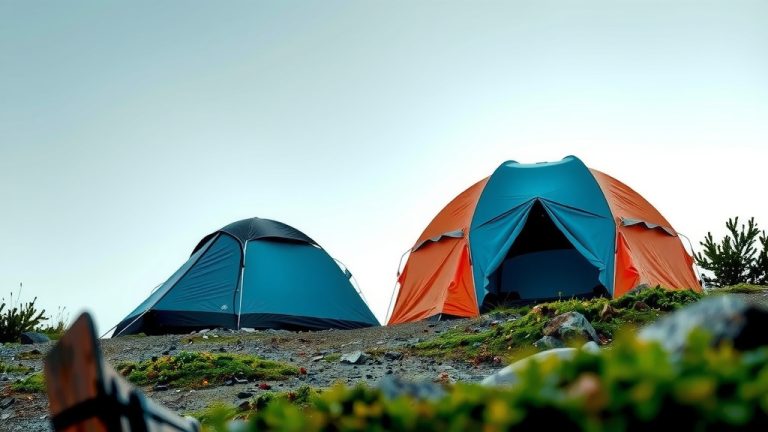
Traditional tents do offer weather protection, but it varies greatly by design and quality. A good quality tent with a rainfly can keep you dry. However, strong winds can still be a challenge. You might experience more noise from wind and rain. The direct exposure to nature that tents offer means you feel the weather more acutely. Setting up your tent correctly, with proper staking and tensioning, is crucial for effective weather protection. Many experts agree that proper setup is as important as the tent’s quality itself (REI).
Cost and Maintenance
Tent trailers represent a larger initial investment than a traditional tent. They are essentially a small recreational vehicle, and their price reflects that. You’ll also need to consider ongoing costs like insurance, registration (in some states), and maintenance. The mechanical parts, tires, and trailer frame will require attention over time. We found that the cost can range significantly based on size, features, and whether you buy new or used. For those on a tighter budget, this might be a significant barrier.
Traditional tents are generally much more affordable. You can find a decent tent for a few hundred dollars, or even less. They are also typically easier and cheaper to maintain. Repairing a small tear is usually a DIY job. Cleaning is straightforward. The lifespan of a tent depends on its quality and how well it’s cared for. We found that this lower cost makes tent camping accessible to a wider range of people. It’s an easier entry point into the world of outdoor adventures.
Setup and Takedown Process
Setting up a tent trailer involves more steps than pitching a tent. You need to park it on a level surface, stabilize it with jacks, and then pop up the sleeping pods. This process can take anywhere from 15 minutes to an hour, depending on the model and your experience. Some more elaborate tent trailers have electric lift systems, which make it easier. We found that after a long day of driving, the extra setup time can feel a bit daunting. However, once it’s up, you have a comfortable base camp ready.
Pitching a tent is usually a much faster affair. For a basic dome tent, you can often have it set up in under 10 minutes. This speed is a big advantage, especially if you arrive at the campsite late or in less-than-ideal weather. Takedown is similarly quick. Folding it down and packing it into its bag is also usually straightforward. We found that the sheer ease of setup makes tents incredibly appealing for spontaneous trips or when you want to spend more time enjoying the outdoors and less time working.
Portability and Travel Considerations
Tent trailers are designed to be towed behind a vehicle. This means you need a vehicle with adequate towing capacity. They are generally heavier than a tent and take up more space on the road. Parking can also be an issue at some campgrounds or in urban areas. However, they allow you to bring more gear and amenities with you. We found that the ability to tow a comfortable “home” makes longer trips or camping with larger groups more manageable.
Tents are incredibly portable. You can pack them into a car, a backpack, or even carry them by hand for short distances. This makes them ideal for a variety of camping styles, from car camping to serious backpacking trips. Their small packed size means they don’t take up much room in your vehicle. We found that the freedom of being able to carry your shelter with you wherever you go is a major draw for many outdoor enthusiasts.
Who Are They Best Suited For?
We found that tent trailers are an excellent choice for:
- Families with young children who need more space and comfort.
- Campers who prioritize a comfortable bed and protection from bugs.
- Those who enjoy car camping and don’t want to sleep on the ground.
- People who want more amenities than a tent but less complexity than an RV.
- Campers who frequently stay at established campgrounds.
Traditional tents are ideal for:
- Solo campers or couples who value simplicity.
- Backpackers and hikers who need lightweight gear.
- Budget-conscious campers who want an affordable option.
- Those who love the feeling of being closely connected to nature.
- Campers who are willing to trade some comfort for portability and cost savings.
Your Decision-Making Checklist
To help you make the final call, consider these points:
- How often do you plan to camp?
- What is your budget for camping gear?
- How important is sleeping comfort to you?
- What kind of vehicle do you have for towing?
- Do you prefer a minimalist approach or more amenities?
- How much time do you want to spend setting up camp?
Conclusion
Ultimately, your choice between a tent trailer and a traditional tent comes down to what kind of camper you are. If you crave a comfortable, protected base camp with room to spare and don’t mind a bit more setup, a tent trailer could be your perfect match. For those who love simplicity, the direct connection to nature, and the freedom of lightweight travel, a tent will always be a classic choice. We found that both options offer fantastic ways to enjoy the outdoors. Your next step is to consider your personal camping priorities and hit the road for your next adventure!
Frequently Asked Questions
Can you take a tent trailer off-road?
Generally, tent trailers are best suited for established campgrounds and smoother terrain. Their design and tires are not typically built for rugged off-road conditions. We found that most tent trailers handle gravel roads and basic dirt paths well, but serious off-roading can damage them.
How much heavier is a tent trailer compared to a tent?
A tent trailer is substantially heavier than a tent. While a tent might weigh only a few pounds, a tent trailer can weigh anywhere from 500 to over 2,000 pounds. This weight difference means you need a vehicle with adequate towing capacity.
Do you need special insurance for a tent trailer?
Yes, you will likely need to insure your tent trailer. Many states require registration and insurance, similar to a regular trailer. We found that policies often cover liability and physical damage, but it’s best to check with your insurance provider.
Can you use a tent in most weather conditions?
A good quality tent can handle moderate rain and wind if set up properly. However, extreme weather can be challenging. We found that strong winds and heavy downpours are best experienced from more robust shelters like a tent trailer or RV.
Is setting up a tent trailer difficult for beginners?
Setting up a tent trailer can take some practice, but it’s generally manageable for beginners. You’ll need to learn how to level it, deploy the stabilizing jacks, and set up the sleeping pods. We found that watching a few instructional videos beforehand can greatly ease the process.
![7 Best Backpacking Tent For Wind And Rain [2026]](https://leonardhomeoutdoor.com/wp-content/uploads/2026/06/7-best-backpacking-tent-for-wind-and-rain-2026-featured-768x432.jpg)