
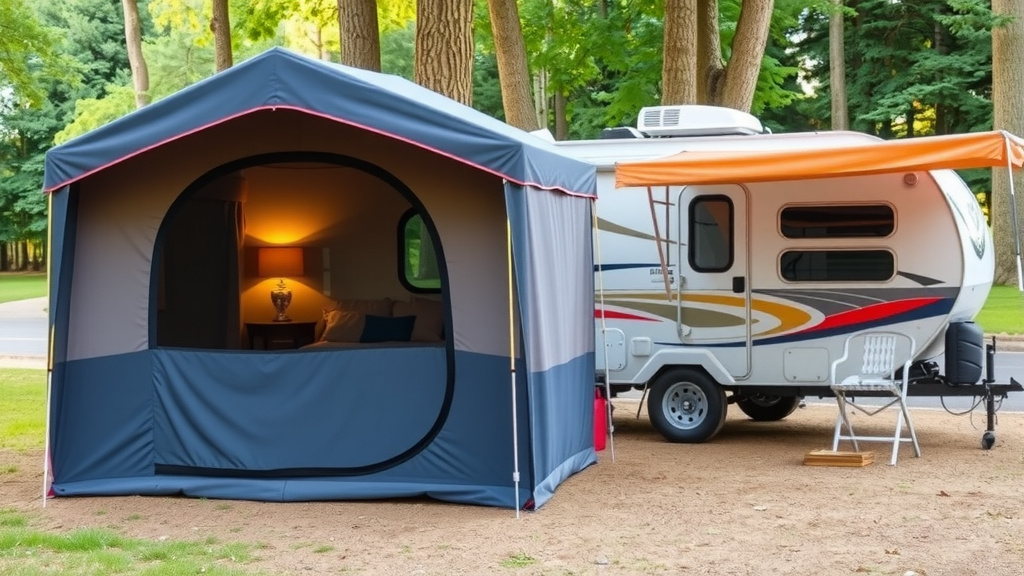
Wall Tent vs Camper: Which is Right for Your Camping
Choosing between a wall tent and a camper depends on your adventure style and priorities. A wall tent offers a more permanent, cozy basecamp with ample living space, while a camper provides road-trip flexibility and integrated amenities. For stationary comfort and a true cabin feel in the wild, a wall tent often wins. If you love exploring new spots frequently, a camper is likely your best bet.
We found that the decision hinges on how you plan to use your shelter. Think about whether you want to set up a comfortable, long-term camp or have the freedom to travel and move easily. Both options deliver great outdoor experiences but cater to different needs. Your ideal choice will depend on your budget and the type of trips you imagine.
- Wall tents are best for stationary, long-term camps.
- Campers are ideal for travelers who move often.
- Consider your budget for each option.
- Think about the amenities you need.
- Your adventure style is key to the choice.
Let’s dive deeper into what makes each option stand out and help you decide which is the perfect fit for your outdoor adventures.
Wall Tent vs. Camper: Which Outdoor Shelter is Right for You?
Deciding between a wall tent and a camper is a big step for your outdoor adventures. We found that both offer unique benefits for different camping styles. Your choice will truly shape your experience in nature. Let’s break down what each option brings to the table.
Understanding Wall Tents: Your Cozy Basecamp
A wall tent is essentially a sturdy, fabric-covered structure that you set up at a campsite. Think of it as a temporary cabin in the woods. They are known for their spacious interiors and ability to withstand various weather conditions. Many people choose wall tents when they want a comfortable, long-term setup.
Key Features of Wall Tents
Wall tents typically have steep, vertical walls, which maximizes your usable interior space. This means you can often stand up straight throughout the entire tent. They are usually made with heavy-duty canvas or durable synthetic fabrics. This construction makes them quite resilient against wind and rain.
Space and Comfort
One of the biggest draws of a wall tent is the sheer amount of space. You can easily fit multiple cots, a table, chairs, and even a small wood-burning stove. This level of comfort allows for a much more relaxed camping experience, especially for longer stays or in colder weather. We found that the interior feels less cramped than most campers.
Durability and Longevity
When properly cared for, wall tents can last for many years. Their robust construction is designed for extended use. Many campers use them as semi-permanent hunting cabins or seasonal campsites. This durability means you are making a long-term investment in your outdoor comfort.
Setup and Portability
Setting up a wall tent can take some effort. It requires a bit of coordination to erect the frame and pull the fabric taut. However, once set up, they provide a very stable and comfortable shelter. While they are portable, they are best suited for locations where you plan to stay put for a while. They are not ideal for frequent moves.
Exploring Campers: Freedom to Roam
A camper, often called an RV (Recreational Vehicle) or trailer, is a vehicle designed for camping. It combines your transportation and accommodation into one unit. Campers offer a high degree of flexibility and convenience for travelers. You can hit the road and set up camp virtually anywhere.
Types of Campers
Campers come in many forms, from small travel trailers and pop-up campers to large motorhomes. Each type offers different levels of comfort and amenities. Travel trailers are towed behind a vehicle, while motorhomes are self-propelled. Pop-up campers are lightweight and easy to tow, offering a more basic experience.
Convenience and Amenities
Campers are packed with built-in features that make outdoor living easy. You’ll often find beds, kitchenettes, bathrooms, and sometimes even entertainment systems. This means you don’t have to pack as many separate items for cooking and living. The convenience of having everything with you is a major selling point.
Mobility and Exploration
The biggest advantage of a camper is its mobility. You can pack up and move to a new location whenever you desire. This is perfect for those who love to explore different national parks or travel across the country. Your campsite can change almost daily if you wish. We found that this freedom appeals to many adventurers.
Setup and Pack-up Time
Getting a camper ready to live in is usually much faster than setting up a wall tent. You often just need to level the vehicle, extend any slide-outs, and connect utilities if available. Packing up is also straightforward. This quick turnaround time allows you to maximize your exploring hours.
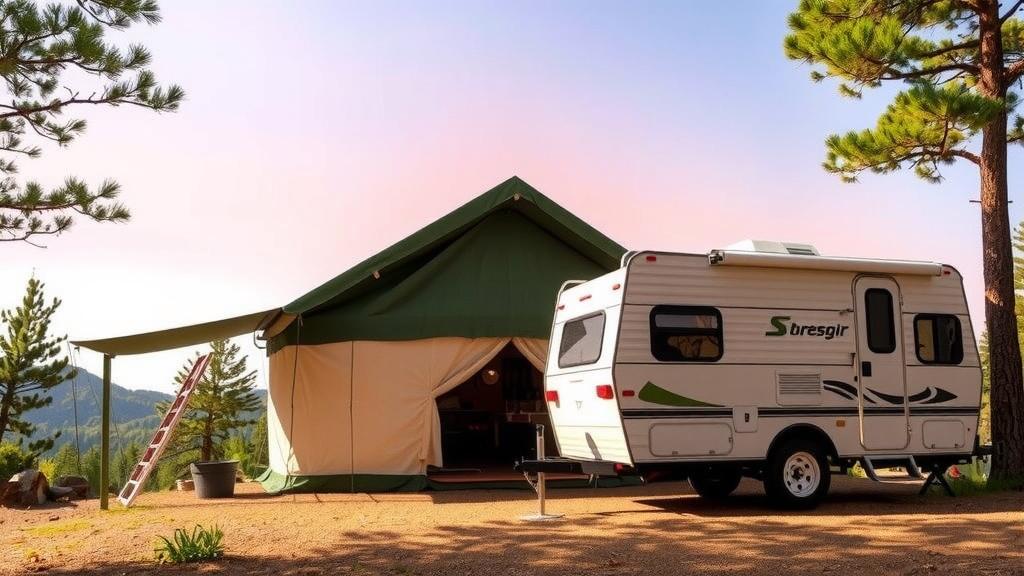
Comparing Key Aspects: Wall Tent vs. Camper
To help you visualize the differences, let’s look at a direct comparison of what matters most for your camping trips.
| Feature | Wall Tent | Camper |
|---|---|---|
| Portability | Best for stationary, long-term camps. Difficult to move frequently. | Highly mobile; ideal for travelers who move often. |
| Interior Space | Very spacious, high ceilings, customizable layout. | Varies by size; can feel more confined, fixed layout. |
| Amenities | Requires bringing all your own furniture and cooking gear. Can add a wood stove. | Built-in beds, kitchen, bathroom, plumbing, electricity. |
| Durability | Very durable, can last many years with proper care. | Durable, but subject to road wear and tear; requires maintenance. |
| Setup Effort | Requires significant setup time and physical effort. | Relatively quick setup; connect utilities and level. |
| Cost | Generally lower initial cost, but ongoing setup costs. | Higher initial cost, but includes transportation and amenities. |
Weather Resistance
Both wall tents and campers can offer excellent protection from the elements. However, the sturdiness of a wall tent’s frame and fabric often gives it an edge in extreme winds and heavy snow. Campers, especially those with solid construction, are also very capable. Many guidelines suggest checking reviews for specific models regarding weather performance (Consumer Reports).
Cost Considerations
The cost can vary widely for both options. A basic wall tent kit might be more affordable upfront than a small travel trailer. However, you’ll need to factor in the cost of cots, tables, and other necessities. Campers represent a larger initial investment, but they include your transportation and built-in living facilities.
Making Your Decision: What’s Your Camping Style?
To make the best choice, honestly assess how you plan to use your outdoor shelter. Ask yourself these questions:
- Do you prefer setting up a comfortable home base for a week or more?
- Do you love exploring new places and moving your camp often?
- How important are built-in amenities like a kitchen and bathroom to you?
- What is your budget for the initial purchase and ongoing costs?
- Do you have a vehicle capable of towing a camper, or space to set up a wall tent?
The Stationary Camper: Embrace the Wall Tent
If your dream trip involves arriving at a beautiful spot and staying put, a wall tent is likely your perfect match. Imagine having a cozy, spacious retreat where you can relax after a day of hiking or fishing. You can cook meals, play games, and sleep soundly, all within your comfortable fabric walls. It’s like bringing a small, sturdy cabin with you.
The Roaming Explorer: Choose a Camper
For those who can’t sit still and love the thrill of discovery, a camper offers unparalleled freedom. Wake up in a new stunning location each week. You can wake up to the mountains one day and the coast the next, all without the hassle of packing and repacking traditional camping gear. It’s your adventure on wheels.
Conclusion
Your ultimate outdoor shelter choice boils down to your travel style. A wall tent offers a stable, roomy haven for long stays, feeling like a permanent cabin in nature. Campers, on the other hand, provide the freedom to roam and explore new horizons daily. We found that the key is matching the shelter to your adventure dreams and practical needs. Before you buy, picture your ideal trip: are you settling in or moving on? Take that vision and make the choice that brings you the most joy in the great outdoors.
Frequently Asked Questions
Can I use a wood stove in a wall tent?
Yes, you absolutely can. Many wall tent owners use small, specialized wood-burning stoves for heat during colder months. Proper ventilation and safety precautions are essential, so always follow the manufacturer’s guidelines for installation and use.
Are campers difficult to drive or tow?
This depends on the type of camper. Small travel trailers and pop-up campers are generally easier to tow and maneuver than larger ones. Motorhomes are driven like large vans or buses. It’s wise to get some practice in a safe area before hitting the open road.
What is the typical lifespan of a wall tent versus a camper?
With proper care and maintenance, a quality wall tent can last 10-20 years or even longer. Campers, being vehicles, have a different lifespan. While the structure itself can last many years, components like the engine, tires, and appliances will require maintenance and eventual replacement over time.
Can I easily move a wall tent once it’s set up?
No, wall tents are designed for stationary use. Once a wall tent is erected, it is quite cumbersome to move. They are best suited for locations where you plan to set up camp and stay for an extended period, like a hunting base camp or a seasonal campsite.
How much interior space can I expect in a typical camper?
The interior space in a camper varies greatly by size and type. Small pop-up campers offer basic sleeping and living areas, while larger travel trailers and motorhomes can feel quite spacious with separate rooms. You’ll typically have defined areas for sleeping, cooking, and a bathroom, unlike the more open layout of a wall tent.
![7 Best Blackout Tents For Camping [2026]](https://leonardhomeoutdoor.com/wp-content/uploads/2026/08/7-best-blackout-tents-for-camping-2026-featured-768x432.jpg)
![7 Best Budget 3 Person Backpacking Tent [2026]](https://leonardhomeoutdoor.com/wp-content/uploads/2026/08/7-best-budget-3-person-backpacking-tent-2026-featured-768x432.jpg)