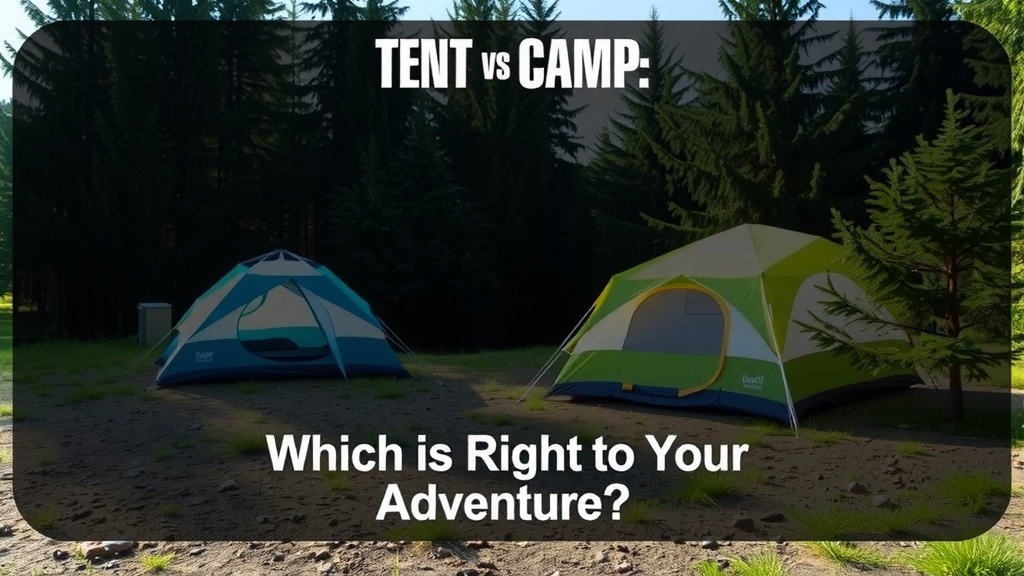
Tent vs Camp: Which is Right for Your Adventure
Choosing between a camp and a tent depends on your camping style and needs. A camp is a more general term for a place where you stay outdoors, often involving a more established setup with multiple shelters and amenities. A tent, on the other hand, is a specific type of portable shelter you pitch yourself. So, while a tent is usually part of a camp, a camp can exist without a tent.
Think of it this way: your camp is your entire outdoor living space for the trip. This could be a simple backpacking site with just a tent, or a full-blown basecamp with RVs, screened porches, and even portable toilets. Your tent is simply the sleeping quarters within that space. Many campers think of their tent as their primary shelter, but the camp encompasses everything else.
- A camp is your outdoor living area.
- A tent is a portable shelter within that area.
- You can have a camp without a tent.
- You can’t have a tent without a camp (your campsite).
- The key difference is scope: camp is broad, tent is specific.
Let’s break down exactly what makes each unique and how you might choose between them for your next adventure.
“`htmlUnderstanding Your Outdoor Living Space: Camp vs. Tent Setup
When you’re planning an outdoor getaway, the terms “camp” and “tent” often come up. But what’s the real difference? Think of your camp as your entire outdoor home for the trip. Your tent is just one part of that home – the bedroom, if you will.
We found that understanding this distinction helps you pack smarter and plan better. A camp is the broader concept. It’s the place you set up for sleeping, cooking, relaxing, and storing your gear. A tent is a specific piece of gear that provides shelter, usually for sleeping.
What Makes Up a Camp?
Your camp is the sum of all its parts. It’s where you’ll spend most of your time when you’re not actively hiking or exploring. This space can be as simple or as elaborate as you want it to be.
Essential Camp Components
At its core, a camp needs a place to sleep. This is often where your tent comes in. But a camp also includes areas for other activities. You might have a cooking area, a dining space, and a general gathering spot.
- Sleeping quarters (often a tent, but could be a hammock or RV)
- Cooking and food preparation zone
- Eating area, like a picnic table or a blanket on the ground
- Storage for gear and supplies
- A place to sit and relax
Beyond the Basics: Enhancing Your Camp
Many campers like to bring extra items to make their camp more comfortable. This could include chairs, a table, a tarp for shade, or even a portable shower. These additions turn a basic campsite into a more enjoyable living space.
The Role of the Tent
Your tent is your personal shelter. It’s designed to protect you from the elements. Think of it as your private retreat after a long day of adventure. Tents come in many shapes and sizes, each suited for different conditions and group sizes.
Tent Types and Their Purpose
From lightweight backpacking tents to spacious family dome tents, there’s a tent for almost every need. The primary function remains the same: to offer a safe and dry place to sleep. Many tents are designed for easy setup and takedown, making them convenient for travel.
Tent Features to Consider
When choosing a tent, look at its weight, capacity, and weather resistance. Some tents are built for mild weather, while others can withstand heavy rain and wind. We found that considering your typical camping environment is key to selecting the right tent.
Comparing Camp Styles: Tent Camping vs. Other Options
When people talk about camping, they often picture setting up a tent. This is known as tent camping. But there are other ways to establish a camp.
Tent Camping: The Classic Approach
Tent camping involves pitching a tent at a designated campsite. This is a very popular method because tents are relatively inexpensive and portable. You can often find campsites specifically designed for tent camping.
Pros of Tent Camping
- Affordable entry cost for basic gear.
- Lightweight and portable for backpacking.
- Versatile for various environments.
- Close connection to nature.
Cons of Tent Camping
- Can be less comfortable than other options.
- Requires setup and takedown effort.
- Dependent on weather conditions.
- Limited space and amenities.
Other Camp Configurations
A camp doesn’t always mean a tent. You might be setting up camp using other forms of shelter.
RV Camping
RV camping involves using a recreational vehicle as your base. This offers a comfortable and convenient way to camp, with built-in amenities like beds, kitchens, and bathrooms. Your RV essentially acts as your tent and much more.
Car Camping
Car camping is similar to tent camping, but you typically drive your car directly to the campsite. This allows you to bring more gear and larger tents. It’s a great option for families who want a comfortable base camp without the full commitment of an RV.
Backpacking
Backpacking is a form of camping where you carry all your gear, including your tent, on your back. The focus is on lightweight equipment and remote locations. The tent is a critical piece of gear for lightweight shelter.
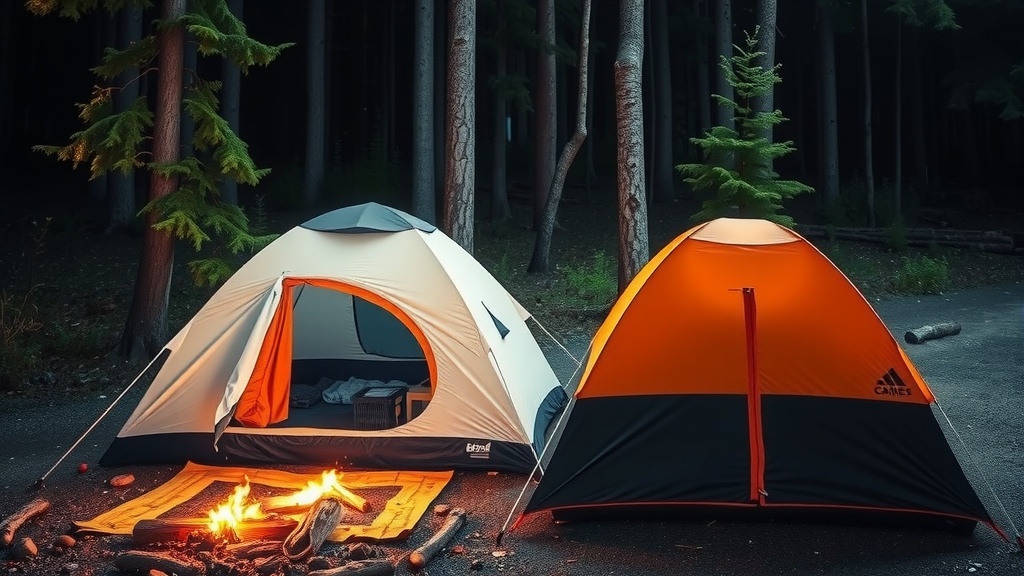
Choosing the Right Setup for Your Adventure
So, how do you decide what’s best for you? It really comes down to your priorities and what kind of experience you’re seeking.
Factors to Consider When Planning Your Camp
Think about who you’re going with. Are you solo, with a partner, or with a large family? What kind of activities do you plan to do? Will you be hiking, fishing, or just relaxing?
- Group Size: A solo backpacker needs a different tent than a family of five.
- Activities: Will you be spending most of your time inside your shelter or out and about?
- Location and Weather: Are you expecting rain, wind, or extreme temperatures?
- Duration of Trip: A weekend trip might require less gear than a two-week expedition.
- Budget: Tents and camping equipment can range widely in price.
A Quick Comparison Table
Here’s a simple way to look at the differences:
| Feature | Camp (General Term) | Tent (Specific Item) |
|---|---|---|
| Scope | Your entire outdoor living area | Your portable sleeping shelter |
| Function | Sleeping, cooking, relaxing, storage | Protection from weather, sleeping |
| Flexibility | Can include many types of shelter | Typically a fabric structure |
| Necessity for Camping | Always required (a place to stay) | Often used, but not always required (e.g., RV, cabin) |
Your Camping Checklist for Success
Ready to pack? Here’s a quick checklist to get you started:
- Tent (appropriate size and season rating)
- Sleeping bag and pad
- Headlamp or flashlight
- Camp stove and fuel
- Food and water
- First-aid kit
Conclusion
You’ve learned that a camp is your entire outdoor living space, while a tent is just your sleeping shelter. Understanding this difference helps you pack and plan better for any adventure. Whether you’re setting up a minimalist backpacking camp with just a tent or enjoying a more amenity-rich RV camp, the core concept remains: the camp is your home base. Your tent is a vital part of that home for protection and comfort. Now that you know the distinctions, think about your next trip and choose the setup that best fits your needs. Your perfect outdoor experience awaits!
Frequently Asked Questions
Can I go camping without a tent?
Yes, absolutely! A camp doesn’t require a tent. You could use an RV, a camper van, a cabin, or even a hammock setup as your primary shelter. Your camp is the entire site, and the tent is just one common way to sleep outdoors.
What’s the main benefit of using a tent for camping?
The primary benefit of a tent is its portability and versatility. Tents are relatively lightweight and easy to set up in various locations, from established campgrounds to remote backcountry spots. They offer direct protection from the elements and are a budget-friendly shelter option.
Is car camping different from tent camping?
Car camping is a type of tent camping where you can park your vehicle close to your campsite. This allows you to bring more gear, larger tents, and more comfortable items. The main difference is the convenience of vehicle access, not the shelter itself.
How do I choose the right size tent for my camp?
Consider the number of people who will be sleeping in the tent, plus any gear you plan to keep inside. Tent sizes are usually listed by person capacity (e.g., 2-person, 4-person). We found it’s often best to get a tent rated for one or two more people than you actually have for extra comfort and gear space.
Does “camp” always mean a primitive outdoor setting?
No, “camp” is a broad term. It can refer to a primitive campsite in the wilderness, but it can also describe a setup with an RV, a glamping tent, or even a backyard sleepover. The defining factor is establishing an outdoor living space, regardless of its amenities.
![7 Best Dark Room Tent [2026]](https://leonardhomeoutdoor.com/wp-content/uploads/2026/08/7-best-dark-room-tent-2026-featured-768x432.jpg)