
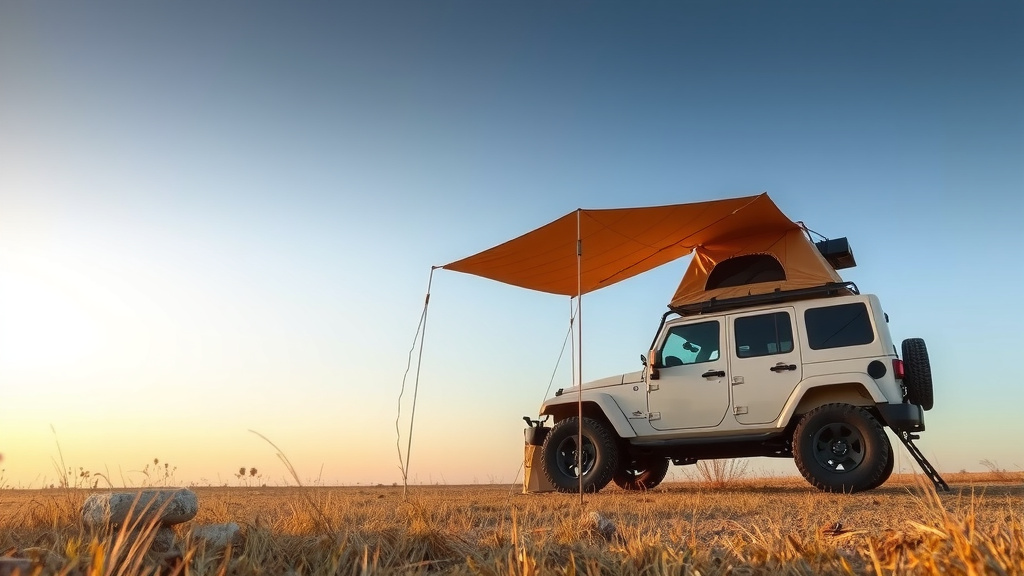
Camper Shell vs. Rooftop Tent: Which is Right For You
Choosing between a camper shell and a roof top tent depends on your specific camping needs and truck setup. A camper shell offers more enclosed space for living and storage, while a roof top tent provides a quick, elevated sleeping solution.
Both options can transform your truck into a capable adventure vehicle. We’ve found that understanding your priorities, like weather protection versus ease of setup, will guide your decision. Think about how much gear you carry and where you typically camp.
- Camper shells provide ample living and storage space.
- Roof top tents offer fast setup and off-the-ground sleeping.
- Consider your gear needs and typical camping locations.
- Weather resistance is a key factor for both.
Let’s break down the pros and cons of each to help you decide which is the best fit for your next outdoor adventure.
Truck Toppers vs. Rooftop Tents: Which is Right for You?
Choosing between a truck topper and a rooftop tent is a big decision for any truck camper. Both can transform your vehicle into a mobile basecamp. We’ve found that understanding your needs is key. Think about how you camp. Do you need a place to cook and hang out, or just a cozy spot to sleep?
Understanding the Camper Shell (Truck Topper)
A camper shell, also known as a truck topper or cap, is essentially a **fiberglass or aluminum shell** that fits over your truck bed. It turns your open truck bed into a secure, enclosed space. This makes it feel more like a small RV. You can stand up inside many models. They offer protection from the elements. They also provide substantial storage. Many campers find this versatility a huge plus.
Space and Livability of a Camper Shell
Camper shells offer a lot of usable space. You can set up a sleeping platform inside. There’s room for gear, cooking equipment, and even a small table. Some larger shells allow you to stand up while inside. This makes a big difference for comfort. You can change clothes easily. You can prepare meals out of the rain. This provides a much more comfortable camping experience.
Storage Capabilities
One of the biggest draws of a camper shell is its storage capacity. Everything is kept dry and secure. You can organize your gear. Tools, bikes, kayaks, and camping furniture can all fit. Many shells come with options like built-in drawers or shelving. This helps you keep things tidy and accessible. It means less time digging through bins. It means more time enjoying your trip.
Weather Protection and Durability
Camper shells offer excellent protection from weather. Rain, snow, and wind are kept out. This is a major advantage over sleeping in a tent on the ground. Most shells are made from durable materials like fiberglass or aluminum. They can withstand rough roads and outdoor conditions. They are built to last for many years. This makes them a sound investment.
Exploring the Rooftop Tent (RTT)
A rooftop tent is a tent that mounts directly to your truck’s roof rack or bed rack. When you’re ready to camp, it unfolds. It usually pops up quickly. This creates an elevated sleeping area above your truck. Many people love the ease of setup. It’s often much faster than pitching a ground tent. Plus, you’re sleeping off the ground.
Setup Speed and Convenience
The biggest selling point for many is the speed of setup. We’ve found that most RTTs can be deployed in just a few minutes. Some pop open automatically. Others require a simple unfolding process. This is a huge advantage if you arrive at camp late. You can quickly set up your sleeping space. It’s much faster than wrestling with poles and stakes in the dark.
Sleeping Above the Ground
Sleeping in an RTT means you’re off the ground. This keeps you away from bugs, critters, and uneven terrain. It can also offer better views. Waking up with a panoramic vista is pretty special. Many RTTs come with comfortable mattresses. This means you don’t need to pack extra sleeping pads. It’s a simpler way to get a good night’s sleep.
Space and Comfort in an RTT
While not as spacious as a camper shell, RTTs offer a cozy sleeping area. They are designed for sleeping. Some models have small annexes. These can provide a bit of extra covered space. You can use them for changing clothes or storing gear. However, RTTs aren’t really for “living” in. They are primarily for sleeping. Cooking or hanging out needs to happen outside or under an awning.
Comparing Key Features: Camper Shell vs. RTT
Let’s look at how these two options stack up against each other. It’s not about which is better, but which is better for *you*. We’ve gathered some key points to consider.
| Feature | Camper Shell | Rooftop Tent |
|---|---|---|
| Living Space | High – can cook, eat, hang out. | Low – primarily for sleeping. |
| Setup Time | Minimal – already installed. | Very Fast – minutes to deploy. |
| Gear Storage | Excellent – secure, enclosed. | Limited – often requires separate rack/trailer. |
| Weather Protection | Excellent – full enclosure. | Good – but cooking/living is exposed. |
| Off-Ground Sleeping | No – you sleep in the truck bed. | Yes – elevated sleeping platform. |
| Cost | Moderate to High. | Moderate to High. |
| Weight Impact | Moderate – adds weight to truck. | Moderate – adds weight to roof/rack. |
Cost Considerations
Both camper shells and rooftop tents represent a significant investment. Prices can vary widely based on brand, features, and materials. A basic camper shell might be comparable in price to a mid-range RTT. High-end models for both can get quite expensive. We found that installation costs can also add up. It’s worth budgeting for these extras.
Weight and Vehicle Compatibility
You need to consider your truck’s capacity. Camper shells add weight to your truck bed. This can affect handling and fuel economy. Rooftop tents add weight to your roof rack system. You must ensure your rack can handle the load. Many experts say it’s crucial to check your vehicle’s GAVWR (Gross Axle Vehicle Weight Rating). This is often listed in your owner’s manual (NHTSA).
Making Your Choice: A Quick Checklist
Still on the fence? Let this checklist help you decide:
- Do you need a place to cook and hang out inside? (Camper Shell)
- Do you want to sleep off the ground every night? (RTT)
- Do you carry a lot of bulky gear? (Camper Shell)
- Is the fastest possible setup your top priority? (RTT)
- Do you camp in areas with lots of bugs or wildlife? (RTT)
- Do you need to secure items while you’re away from your truck? (Camper Shell)
Conclusion
Deciding between a camper shell and a rooftop tent comes down to how you adventure. A camper shell offers versatile living and storage space, perfect for longer trips or those who need a sheltered hangout. A rooftop tent shines with its incredibly fast setup and the comfort of sleeping off the ground, ideal for mobile campers on the move. We’ve found that assessing your camping style, gear needs, and desired comfort level is key. Carefully consider these points before making your final choice and hit the road with confidence.
Frequently Asked Questions
Can I use a camper shell and a rooftop tent together?
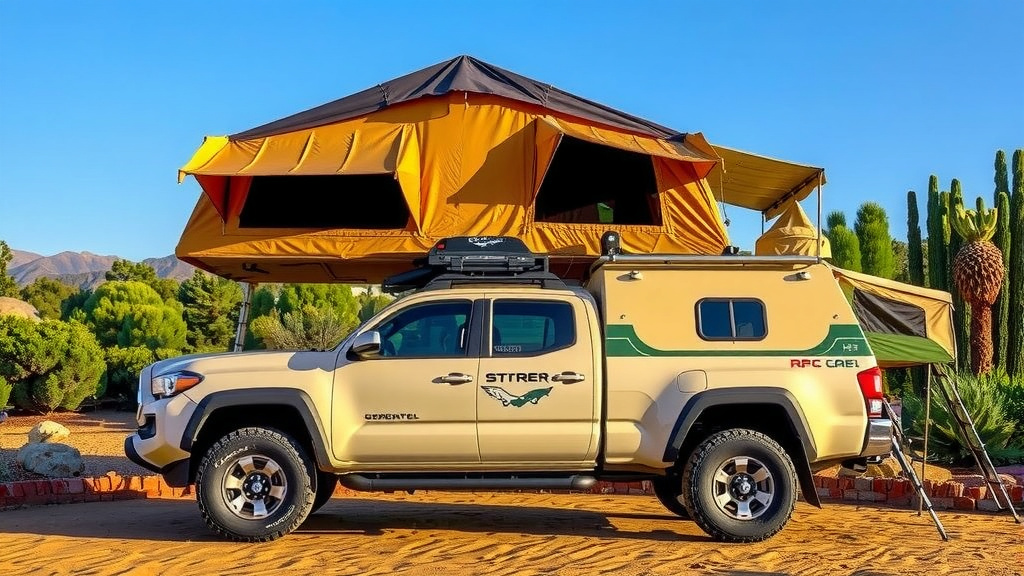
Yes, you can! Many people mount a rooftop tent on top of a camper shell. This gives you the enclosed storage of the shell below and the elevated sleeping platform of the RTT above. It’s a great way to maximize your truck’s capabilities.
Which option is better for bad weather camping?
For full weather protection, a camper shell generally offers more. It provides a completely enclosed space to cook, eat, and stay dry. While RTTs offer good protection for sleeping, living activities like cooking are still exposed to the elements unless you have an attached annex or awning.
How much do camper shells and rooftop tents typically cost?
Both represent a moderate to high investment. Basic camper shells can range from $1,000 to $3,000, while RTTs often start around $800 and can go up to $4,000 or more depending on size and features. Installation costs can add to the total.
Will a camper shell or RTT affect my truck’s fuel economy?
Yes, both will likely reduce your fuel economy. Camper shells add weight and alter aerodynamics. Rooftop tents also add weight, especially when deployed, and can increase wind resistance. The impact varies based on the specific model and your driving habits.
Which is easier to remove if I don’t need it for a trip?
A rooftop tent is generally easier to remove than a camper shell. RTTs can often be unbolted from the rack system in an hour or two. Camper shells are more permanently affixed to your truck bed and require more effort and potentially specialized tools to take off.

![7 Best Tarp For Under Tent [2026]](https://leonardhomeoutdoor.com/wp-content/uploads/2026/09/7-best-tarp-for-under-tent-2026-featured-768x432.jpg)
![7 Best Canopy Tent For Wind [2026]](https://leonardhomeoutdoor.com/wp-content/uploads/2026/08/7-best-canopy-tent-for-wind-2026-featured-768x432.jpg)
![7 Person Camping Tent [2026]](https://leonardhomeoutdoor.com/wp-content/uploads/2026/08/7-person-camping-tent-2026-featured-768x432.jpg)