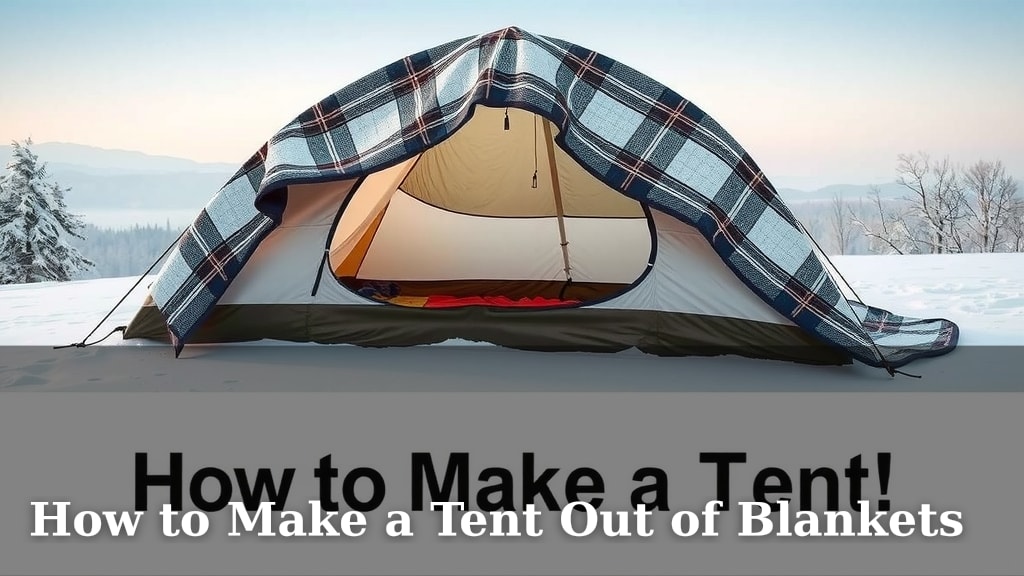
How to Make a Tent Out of Blankets
You can absolutely make a tent out of blankets for a fun indoor fort or even an outdoor shelter in a pinch. It’s a fantastic way to get creative with items you already have, turning them into a cozy, temporary hideaway.
This project is perfect for a rainy day or a backyard camping adventure. We found that using a variety of blankets and secure anchor points helps create a sturdy structure. Plus, it’s a wonderfully budget-friendly way to build a play space.
- Gather your blankets and sheets.
- Find furniture to drape them over.
- Use clothespins or clips to secure.
- Add pillows and cushions inside.
- Enjoy your new cozy fort!
Ready to build your own blanket fort? Let’s walk through exactly how to do it step by step, turning everyday items into an imaginative retreat.
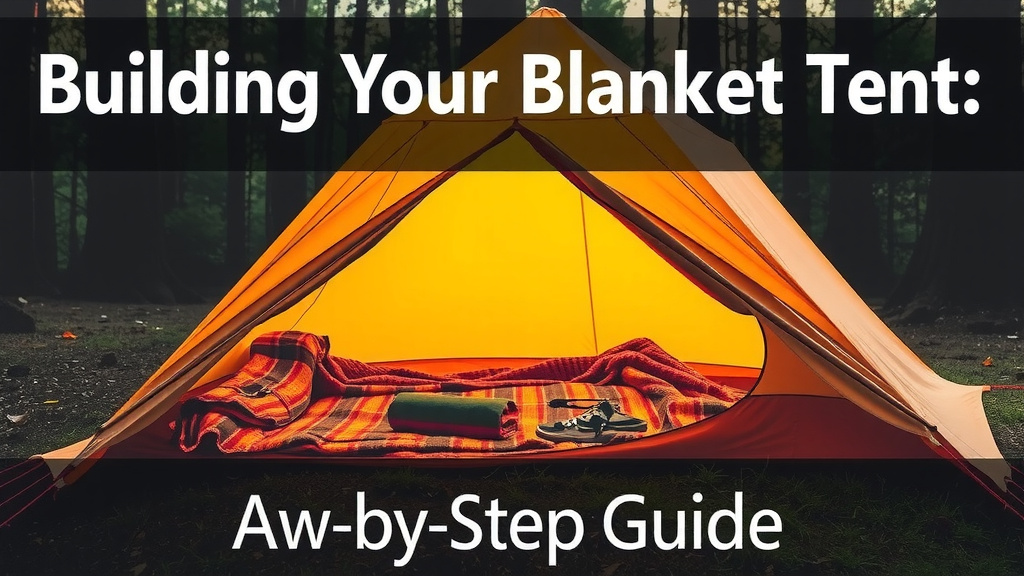
“`htmlBuilding Your Blanket Tent: A Step-by-Step Guide
Creating a cozy blanket tent is easier than you might think. You don’t need a blueprint or special tools. Just a few everyday items can transform a room. Let’s get started on making your own special hideaway.
Gathering Your Fort Materials
The first step is to collect everything you’ll need. Think about what kind of space you want to build. Do you want a small reading nook or a larger play area? Your needs will determine the quantity and types of materials you gather.
Blankets and Sheets Galore
The stars of the show are your blankets and sheets. Lighter sheets are great for the roof. They let in a bit of light. Heavier blankets provide more structure and privacy. A mix of sizes works best. Consider using at least 3-4 blankets and a few sheets. Research suggests that using a variety of fabrics can help create a more stable structure.
Support Structures: Your Furniture Anchors
What will hold up your blanket tent? Furniture is your best friend here. Chairs are excellent for creating the main frame. Sofas, tables, and even sturdy bookshelves can also work. Think about the height and sturdiness of your chosen furniture. You want pieces that won’t tip over easily. Many interior designers suggest using furniture with clean lines for a more organized look.
Fasteners: Keeping it All Together
Now, how do you keep all those blankets from sliding down? You’ll need fasteners. Clothespins are a classic choice. They’re easy to use and readily available. Binder clips are also very effective. For more permanent setups, you could consider safety pins. Just be careful not to snag your blankets. We found that using a combination of clips and some strategic tucking works wonders.
Comfort Enhancers: Pillows and Cushions
Once the structure is up, it’s time for the fun part. Make it cozy inside! Pillows and cushions are essential. They’re perfect for lounging and can make the floor feel much softer. Don’t forget stuffed animals for company. You might also want some string lights for a magical glow. Many parents find that adding soft flooring, like a rug or extra blankets, makes the fort more inviting for children.
Constructing Your Blanket Tent
With all your supplies gathered, it’s time to build. Start with the largest pieces. Drape your biggest blankets over the tallest furniture items first. This forms the main walls and ceiling. Allow the fabric to hang down naturally. Don’t pull it too tight just yet. The goal is to create a basic shape.
Securing the Roof and Walls
This is where your fasteners come in. Clip the blankets to the furniture. Use clothespins to connect overlapping blankets. You want to create a continuous surface. If one blanket is too short, overlap another one. Secure these overlaps with clips. We found that securing the corners first helps a lot. This gives you a good starting point for the rest of the structure.
Creating an Entrance and Windows
Every good tent needs an entrance. You can leave a gap between two blankets. Or, you can create a flap by leaving one side unclipped. This makes it easy to get in and out. For ventilation and a bit of fun, you can also make windows. Simply leave a small opening in a blanket. This allows some fresh air in. Many people enjoy adding decorative touches around these openings.
Tips for a Sturdier and More Comfortable Fort
You’ve built the basic structure. Now let’s make it even better. A few simple adjustments can make a big difference. Think about how you’ll use the tent. This will help you decide where to focus your efforts.
Weight Distribution is Key
Heavy blankets can pull down lighter ones. Distribute the weight evenly. If you have a very heavy blanket, use it where it’s well supported. You might need to add extra clips or even drape it over multiple pieces of furniture. Research on structural integrity suggests that distributing load evenly prevents sagging and collapse. This is why careful placement is so important.
Anchoring to the Floor
Sometimes, the bottom edges of your blankets might flap around. You can anchor them to the floor. Heavy books or even shoes can work for this. Place them along the bottom edge of the blanket. This keeps the walls in place. It also makes the fort feel more enclosed and secure. Many fort-building enthusiasts recommend using heavier floor decorations for better stability.
Creating Zones Inside Your Tent
Think about how you’ll use the space inside. Do you want a lounging area? Maybe a spot for reading? Arrange your pillows and cushions accordingly. You could create a “bed” area and a “table” area using a small lap desk. Some people even use small storage bins to keep things organized inside. This helps maintain the magical atmosphere.
A Checklist for Your Perfect Blanket Tent
Here’s a quick checklist to ensure you don’t miss anything:
- Blankets and sheets of various sizes
- Sturdy furniture for support
- Plenty of clips or clothespins
- Comfort items like pillows and cushions
- Optional: string lights or battery-operated fairy lights
- A designated entrance and maybe a window
Troubleshooting Common Blanket Tent Issues
Even with the best planning, you might run into a few snags. Don’t worry, these are usually easy to fix.
Sagging Roof?
If your roof is sagging in the middle, you likely need more support. Try adding a chair or a sturdy object directly underneath the lowest point. You can also try pulling the blanket tighter in the corners. If using sheets for the roof, consider adding a lighter blanket over the top for a bit more structure. Many guides on simple construction highlight the importance of intermediate supports.
Walls Collapsing?
This usually means your clips aren’t holding well. Try using stronger clips, like binder clips, or more of them. Ensure you’re clipping to a sturdy part of the furniture. If the fabric is too smooth, it might slip. We found that folding the edge of the blanket over the furniture slightly before clipping helps create more friction and grip.
“`
Conclusion
You’ve learned how to transform everyday blankets into a wonderful cozy tent! Remember, the key is using sturdy furniture as your anchor points and securing your fabric well with clips. Don’t be afraid to get creative with your design, adding fun elements like windows and creating comfortable zones inside. Whether it’s for a rainy day inside or a backyard adventure, your blanket tent is ready for fun. Gather your supplies, and start building your own unique hideaway today!
Frequently Asked Questions
How can I make my blanket tent more stable?
To make your tent more stable, focus on distributing weight evenly. Use heavier blankets on well-supported furniture. Anchoring the bottom edges of your blankets to the floor with heavy books or shoes also prevents shifting and adds security.
What are the best types of blankets to use for a tent?
A mix of blanket types works best. Lighter sheets are great for the roof as they let in some light. Heavier blankets provide more structure and privacy for the walls. Experimenting with different fabrics will help you find what works best for your structure.
My blanket roof is sagging. How can I fix this?
A sagging roof usually means it needs more support. Try placing a sturdy object, like an extra chair or a cushion pile, directly underneath the lowest point. You can also try pulling the blanket tighter at the anchor points.
Can I build a blanket tent outdoors?
Yes, you can build a blanket tent outdoors for temporary shelter, but it’s best for fair weather. For outdoor use, choose a sheltered spot and be mindful of wind. Secure your tent extra well, perhaps by tying corners to sturdy objects.
What’s a good way to create an entrance for my blanket tent?
You can easily create an entrance by leaving a gap between two blankets or by not fully clipping one edge of a blanket, allowing it to act as a flap. This makes getting in and out of your fort simple and fun.
![7 Best Places To Camp In A Tent Near Me [2026]](https://leonardhomeoutdoor.com/wp-content/uploads/2026/09/7-best-places-to-camp-in-a-tent-near-me-2026-featured-768x432.jpg)