
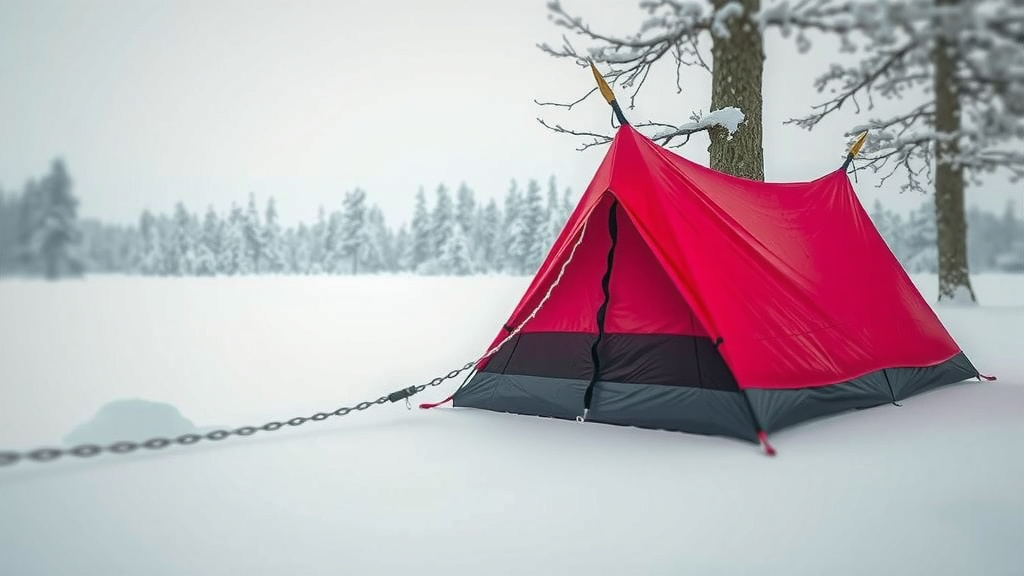
Winter Camping: Hammock or Tent? The Best Choice
When deciding between a winter camping hammock and a tent, your personal comfort and the specific conditions you’ll face are key. For many, a well-equipped hammock system can offer superior warmth and a more connected experience with nature, while tents provide a familiar, enclosed shelter. Research indicates both can be excellent choices with the right gear and setup for cold-weather adventures.
Choosing the right shelter is essential for a safe and enjoyable winter trip. A hammock setup requires careful consideration of insulation, like an underquilt, to prevent heat loss, whereas a tent needs good ventilation to manage condensation. We found that understanding the pros and cons of each will help you make the best decision for your needs.
- Hammocks offer a unique sleeping experience and can be lighter.
- Tents provide a more enclosed and traditional shelter.
- Proper insulation is critical for both in winter.
- Consider your experience level and typical camping style.
Below, we’ll break down the differences to help you choose the best winter camping shelter for your next adventure.
Winter Camping Shelter: Hammock Versus Tent
When the temperature drops, your choice of shelter becomes super important for staying warm and safe. Many campers wonder if a hammock or a tent is better for cold weather. We found that both can work well, but they require different gear and techniques. Your decision really comes down to what you value most: a unique sleeping experience or a more traditional enclosed space.
Understanding the Cold-Weather Hammock Setup
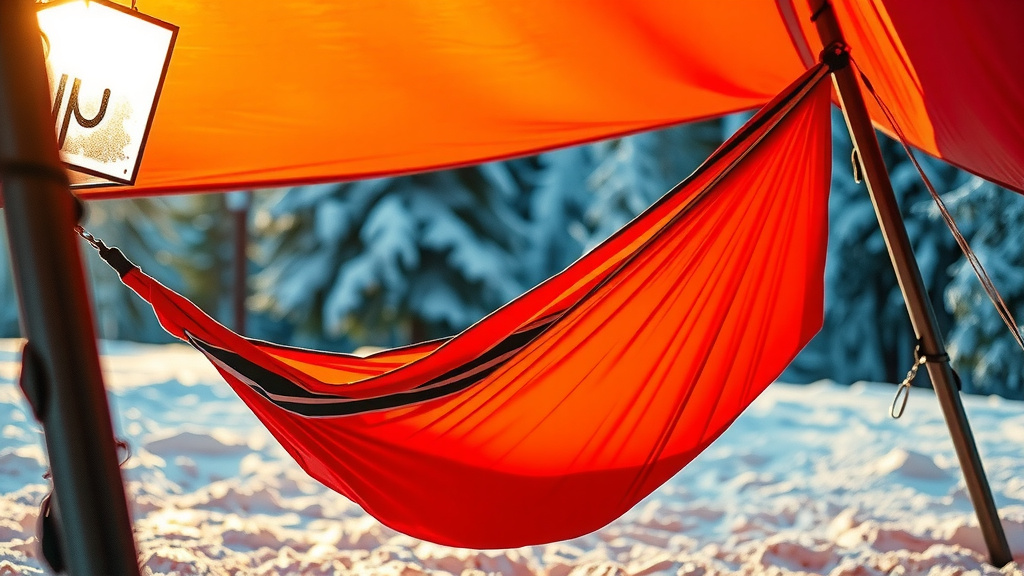
A hammock for winter camping isn’t just a piece of fabric strung between two trees. It’s a system designed to keep you warm from all sides. Think of it like a cocoon you’re building for yourself in the wilderness. Many enthusiasts find that with the right setup, hammocks can actually be warmer than tents.
The Importance of Insulation
The biggest challenge with a hammock in winter is staying warm. Since you’re suspended, cold air can circulate underneath you, chilling you quickly. This is where insulation comes in. You’ll absolutely need an underquilt. This is a specially designed quilt that hangs under your hammock. It traps your body heat and prevents it from escaping into the cold air.
We found that a good underquilt works like a sleeping bag, but it’s designed specifically for hammock use. It fills the gaps that a regular sleeping bag might leave. Many guidelines suggest an underquilt rated for temperatures lower than you expect to encounter (Mayo Clinic).
Staying Dry and Comfortable
Condensation can be an issue in any cold-weather shelter. In a hammock, it’s important to have a good tarp. This tarp shields you from snow and rain. It also helps keep some of your body heat contained. Some campers also use a top quilt, which is like a sleeping bag you get into from the top. Together, an underquilt and a top quilt create a very warm sleeping system.
The Reliable Winter Camping Tent
Tents offer a more familiar shelter for many people. They provide a physical barrier between you and the elements. For winter camping, you’ll want a tent designed for harsh conditions, often called a four-season tent. These tents are built to withstand wind and snow loads.
Key Features of a Winter Tent
Four-season tents typically have stronger poles and a more robust fabric construction than three-season tents. They also have fewer mesh panels, which helps to keep warmth inside. Ventilation is still important, though. You need to manage condensation, which can freeze inside your tent and make things wet and cold (CDC). For those considering a tent, our guide to the best backpacking tents for cold weather can help you find a suitable four-season tent.
Look for a tent with a good vestibule. This is the covered area outside the main sleeping space. It’s perfect for storing your wet gear or boots. This keeps the inside of your tent cleaner and drier.
Setting Up Your Tent in Snow
Pitching a tent in snow requires a bit more effort. You might need special stakes or ways to anchor your tent securely. Using skis or snowshoes to pack down a tent platform can help create a stable base. Many experts say choosing a sheltered spot, out of the wind, is always a good idea.
Direct Comparison: Hammock vs. Tent in Winter
Let’s break down the pros and cons side-by-side. This should help you see which option might suit your style better.
| Feature | Winter Hammock | Winter Tent |
|---|---|---|
| Warmth Potential | Very High (with proper insulation) | High (requires good ventilation) |
| Weight | Often Lighter (for the sleep system itself) | Can be heavier, especially 4-season models |
| Setup Location | Requires two sturdy trees (10-15 feet apart) | Can be set up almost anywhere on flat ground |
| Condensation Management | Good (with proper tarping) | Requires careful ventilation |
| Space | Limited sleeping space; communal space is difficult | More room for gear and moving around; can be shared |
| Learning Curve | Steeper (requires understanding insulation systems) | Generally lower (more familiar shelter type) |
Weight and Portability
For solo hikers looking to go ultralight, a hammock system can often be lighter than a comparable winter tent. You’re not carrying poles or a heavy fly. However, you need to factor in the weight of your underquilt, top quilt, and tarp. A full winter hammock setup can still add up.
Site Selection and Flexibility
This is where the biggest difference lies. Hammocks need trees, and not just any trees. They need to be healthy, strong, and spaced correctly. If you’re camping in an area without many trees, or if the trees are too far apart or too close, a hammock just won’t work. Tents offer much more flexibility. You can pitch a tent on rocky ground, in a meadow, or even on a frozen lake.
Comfort and Sleeping Experience
Many hammock campers swear by the comfort. They say it feels like sleeping on a cloud. You can often adjust your lie to be perfectly flat. Tents offer more space to move around. You can sit up, change clothes more easily, and have room for cooking inside in an emergency. For many, this feeling of a secure, enclosed space is very comforting in winter.
Making Your Choice: What’s Right for You?
So, how do you decide? Think about where you usually camp and what kind of trips you take. If you love forests and want a unique sleeping experience, and you’re willing to learn about insulation, a hammock might be your dream setup. Many hammock users report that they sleep better because they don’t feel the hard ground beneath them.
If you prefer more versatility in campsite selection, need more space for gear, or want a shelter that feels more enclosed and familiar, a tent is likely your best bet. Tents also tend to be easier to share with a partner or family. Research from outdoor organizations often points to tents as the most common shelter for beginners in winter camping (National Park Service).
A Quick Checklist for Your Decision
Before you buy anything, ask yourself these questions:
- Do I have access to sturdy trees for hanging a hammock?
- Am I comfortable with learning about specialized insulation systems?
- How much space do I need for gear and personal movement?
- What kind of terrain do I typically camp on?
- Is a familiar, enclosed shelter more important to me than a unique experience?
- What’s my budget for a complete winter sleep system?
Conclusion
Choosing between a winter camping hammock and a tent ultimately comes down to your personal priorities and camping style. Hammocks can offer exceptional warmth and a unique connection to nature, provided you master the essential insulation systems. Tents, on the other hand, provide a more familiar and versatile shelter, adaptable to a wider range of terrain. We found that both require careful planning for cold weather. Your next step is to honestly assess your comfort with tree selection and insulation technology versus your need for broad site flexibility and conventional shelter.
Frequently Asked Questions
Can a hammock be as warm as a tent in winter?
Yes, a properly outfitted hammock system can be incredibly warm, often even warmer than a tent. The key is using an effective underquilt to insulate you from the cold air circulating beneath your hammock. This prevents heat loss far better than just a sleeping bag alone.
What are the biggest challenges of using a hammock in winter?
The primary challenge is ensuring adequate insulation. Without a good underquilt, you’ll experience significant heat loss. You also need to consider site selection, as you’ll need two strong, healthy trees spaced correctly, which isn’t always an option.
When is a tent a better choice for winter camping?
A tent is often a better choice if you camp in areas with limited trees, need more space for gear or moving around, or prefer the security of a traditional, enclosed shelter. They also offer more flexibility for setting up on varied terrain or when weather makes tree access difficult.
Do I need special gear for a winter hammock setup?
Absolutely. Beyond a hammock itself, you’ll need a robust tarp for weather protection, a high-quality underquilt rated for the temperatures you expect, and likely a warm top quilt or a winter-rated sleeping bag. Proper suspension systems are also important.
How do I manage condensation in a winter tent?
Managing condensation in a winter tent is critical. You need to utilize the tent’s ventilation features, like vents and zippers, to allow moist air to escape. Avoid breathing directly onto the tent walls and keep wet gear stored in the vestibule to minimize moisture inside the sleeping area.
![7 Best Budget Camping Tents [2026]](https://leonardhomeoutdoor.com/wp-content/uploads/2026/08/7-best-budget-camping-tents-2026-featured-768x432.jpg)
![7 Best Dark Room Tent [2026]](https://leonardhomeoutdoor.com/wp-content/uploads/2026/08/7-best-dark-room-tent-2026-featured-768x432.jpg)
![7 Best Easy Up Tents [2026]](https://leonardhomeoutdoor.com/wp-content/uploads/2026/08/7-best-easy-up-tents-2026-featured-768x432.jpg)