
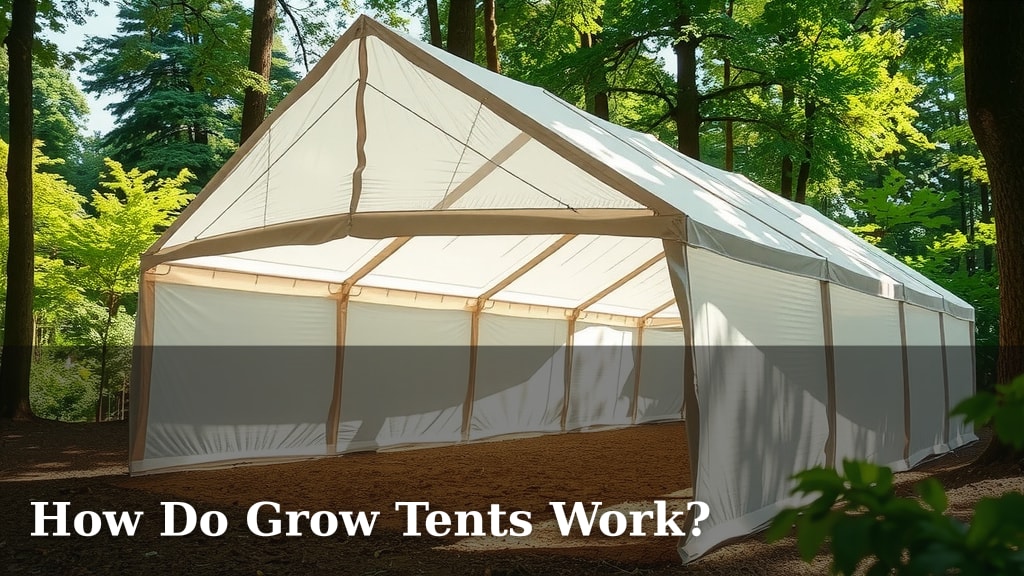
How Do Grow Tents Work?
Grow tents work by creating a controlled environment for your plants. They trap light and heat, while also helping to manage humidity and airflow. This allows you to grow plants indoors, regardless of outside conditions, by providing a dedicated microclimate for optimal growth.
Think of a grow tent as a miniature greenhouse specifically designed for plant cultivation. It’s a versatile tool that helps you manage every aspect of your plant’s habitat. Many growers find them essential for achieving consistent results, especially when growing finicky species or when dealing with challenging climates. You get to control the light cycle and temperature precisely.
- Grow tents create a controlled indoor environment.
- They manage light, heat, humidity, and airflow.
- This allows for year-round growing and specific plant needs.
- They are a key tool for optimizing plant growth indoors.
Ready to see how these portable growing spaces work their magic? Let’s dive into the specifics of grow tents and how you can use them to your advantage.
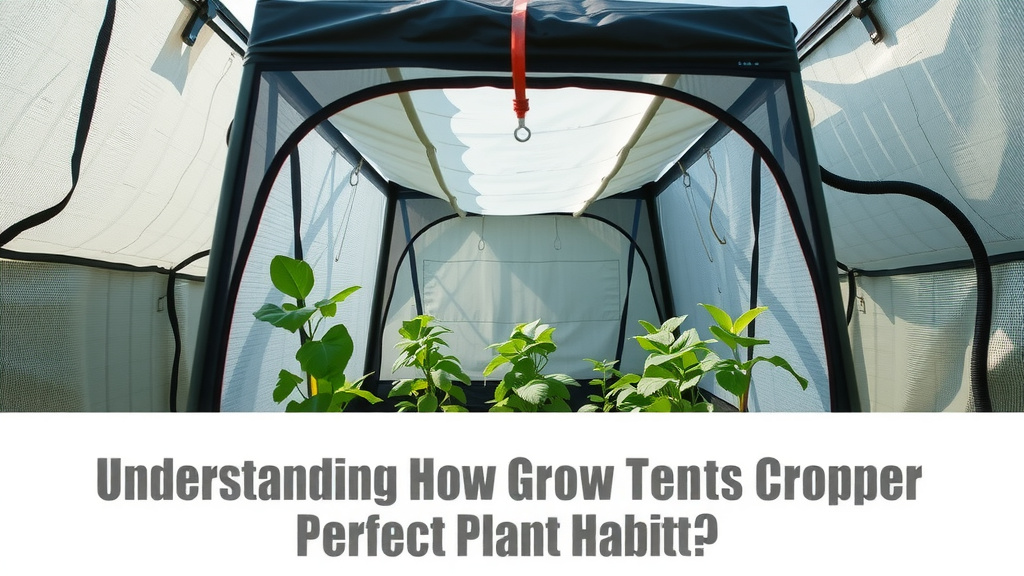
Understanding How Grow Tents Create Your Perfect Plant Habitat
Grow tents are brilliant for creating a controlled environment for your plants. They act like a self-contained ecosystem. You get to decide everything. Light, temperature, humidity – it’s all in your hands. This means you can grow plants year-round. It doesn’t matter what the weather is like outside.
The Science Behind the Shelter: Light Containment
One of the biggest jobs of a grow tent is to keep light where you want it. The inside is usually lined with reflective material. This bounces light back onto your plants. It ensures they get the maximum benefit from your grow lights. This reflection means less wasted light. Your plants will thank you for it!
Reflective Interior Surfaces
Most tents use a mylar or diamond-like reflective fabric. This material has a very high reflectivity rating, often 95% or more. It prevents light from escaping the tent. It also distributes light more evenly. Think of it like mirrors inside your tent. They help light reach all parts of your plants.
Light Leaks: The Enemy of Growth
Grow tents are designed to be light-proof. This is super important for controlling the light cycle. Plants, especially flowering ones, need darkness to trigger certain growth stages. Any light leaks can confuse them. They might not flower properly. Or they might grow poorly. That’s why zippers and seams are usually extra thick.
Temperature and Heat Management
Grow tents help trap heat generated by grow lights. This is good for maintaining a stable temperature. Especially in cooler environments. However, it can also lead to overheating if not managed properly. Good ventilation is key here. It prevents your plants from getting too toasty.
Trapping Heat for Warmth
The enclosed nature of the tent traps heat. This is helpful in colder months. It creates a warmer microclimate. This can speed up plant growth. It allows you to grow plants that need consistent warmth. You won’t be at the mercy of the changing seasons.
Preventing Overheating: The Need for Airflow
On the flip side, grow lights produce heat. This heat can build up quickly. Especially in smaller tents. This is where ventilation fans and exhaust systems come in. They pull out hot air. They bring in fresh, cooler air. This keeps your plants comfortable. Research shows that maintaining an optimal temperature range is vital for plant health (NCBI).
Humidity and Air Circulation Control
Managing humidity is another critical function. Grow tents help contain moisture released by plants. This can be beneficial for seedlings and young plants. They often prefer higher humidity levels. However, too much humidity can lead to mold and mildew. Good airflow is essential for managing this.
Containing Moisture for Ideal Humidity
Plants release water vapor through a process called transpiration. A grow tent traps this vapor. This raises the humidity inside. For many plants, a humidity level between 40-60% is ideal (University Extension Services). You can monitor this with a simple hygrometer.
The Role of Ventilation in Air Exchange
Ventilation systems not only control temperature but also air quality. They bring in fresh CO2. They remove stale air. This is vital for healthy plant respiration. Fans also help create a gentle breeze. This strengthens plant stems. It also helps prevent pests and diseases. Many experts recommend a full air exchange every few minutes (Horticulture Journals).
The Tent Structure: More Than Just Fabric
Grow tents aren’t just simple boxes. They have thoughtful features. These make them functional for growers. Think about the poles, zippers, and ports. Each part has a purpose.
Sturdy Framework and Support
The frame is usually made of metal poles. These poles support the weight of the tent. They also hold up your grow lights and ventilation equipment. You need a strong frame. Especially if you’re hanging heavy lights. Many tents can hold up to 100 pounds or more on their frame.
Access Points: Doors, Windows, and Ports
Accessing your plants is easy with zippered doors. Some tents have viewing windows. These let you check on your plants. They also have ventilation ports. These are for your intake and exhaust fans. They also have cables for running power cords. These ports are usually adjustable. You can create a good seal around them.
Essential Grow Tent Accessories for Optimal Function
A grow tent is the foundation. But you’ll need accessories to make it work. These items help you control the environment. They are essential for successful indoor growing.
- Grow Lights: These provide the energy your plants need to photosynthesize.
- Ventilation System: Includes fans (intake and exhaust) and ducting.
- Carbon Filter: Attaches to your exhaust fan to eliminate odors.
- Timers: Automate your light cycles.
- Thermometer/Hygrometer: Monitors temperature and humidity.
- Pots and Growing Medium: Where your plants will live.
Conclusion
You’ve seen how grow tents create your perfect plant haven. They control light, manage temperature, and balance humidity. This lets you grow plants consistently indoors. You can achieve great results, no matter the season. Now you understand the science behind the shelter. You know how each feature contributes to plant success. Your next step is to consider your space and plant needs. Then, you can choose the right grow tent setup to start your indoor garden journey!
Frequently Asked Questions
Do I need a grow tent if I have a spare room?
Not necessarily. A spare room offers more space. However, a grow tent provides superior environmental control. It contains light and odors better than an open room. Tents are also more energy-efficient for heating and lighting. You get a more contained, optimized growing environment.
Can I use any light inside a grow tent?
You can use most indoor grow lights. However, consider the heat output. High-intensity lights produce more heat. You’ll need a robust ventilation system to manage it. LED grow lights are a popular choice. They are energy-efficient and produce less heat, making them ideal for tents.
How do I ensure good airflow in my grow tent?
Good airflow requires an intake and exhaust fan. The exhaust fan pulls hot, stale air out. The intake allows fresh air in. You should aim for a complete air exchange every few minutes. A small oscillating fan inside can also help circulate air gently. This strengthens your plants.
Are grow tents noisy?
The primary source of noise comes from the exhaust fan. The fan’s size, speed, and quality affect noise levels. Using a silencer or a larger, slower fan can reduce noise. Many growers find the noise manageable, especially when compared to the benefits of a controlled environment.
How often should I clean my grow tent?
You should clean your grow tent between each grow cycle. This prevents pest and disease buildup. Wipe down the interior walls with a mild disinfectant. Clean any fans, filters, or other equipment. Ensure the tent is completely dry before putting plants back in.
![7 Best Places To Tent Camp In Colorado [2026]](https://leonardhomeoutdoor.com/wp-content/uploads/2026/09/7-best-places-to-tent-camp-in-colorado-2026-featured-768x432.jpg)