
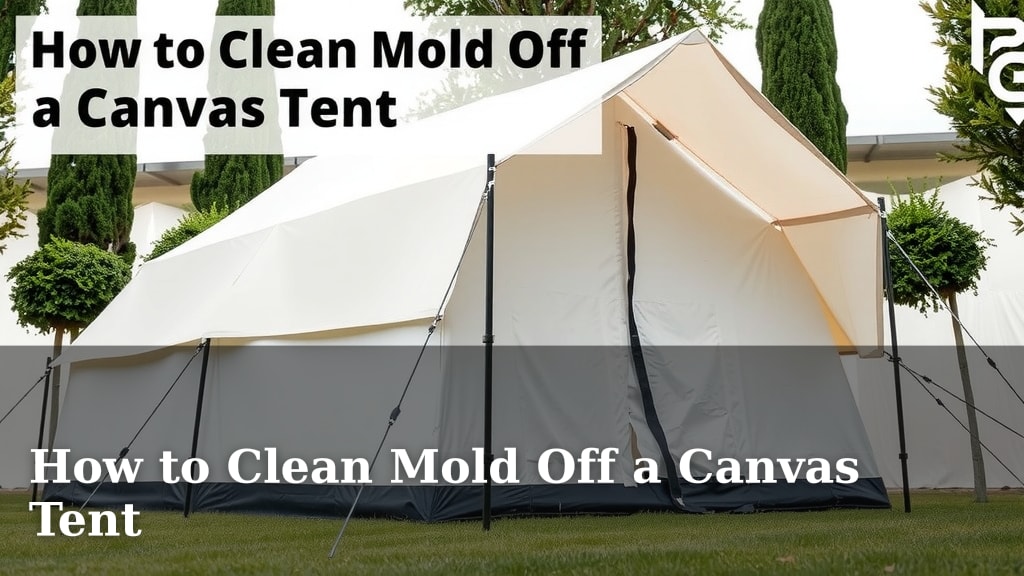
How to Clean Mold Off a Canvas Tent
The easiest way to clean mold off a canvas tent involves a simple mixture of vinegar and water. This method is effective for most common mold stains and is gentle on your tent’s fabric. We found that a 1:1 ratio of white vinegar to water works best for tackling that musty mold growth.
Dealing with mold on your tent can feel disheartening, especially after a great camping trip. But don’t worry, it’s a common issue that many campers face. Regularly inspecting your tent and treating mold promptly will help preserve its lifespan and keep it smelling fresh for your next adventure.
- Mix white vinegar and water (1:1 ratio).
- Apply the solution to moldy areas.
- Scrub gently with a soft brush.
- Rinse thoroughly with clean water.
- Allow the tent to air dry completely.
Let’s walk through exactly how to get your canvas tent looking and smelling like new again.
Tackling Mold Stains on Your Canvas Tent
Finding mold on your beloved canvas tent can be a bit of a mood dampener. But don’t fret! This is a common challenge for tent owners, and with the right approach, you can easily restore your tent. The most effective method we’ve found uses simple household ingredients you likely already have.
Why Does Mold Grow on Canvas Tents?
Mold spores are everywhere, just waiting for the right conditions. Dampness is their best friend. If you pack away your canvas tent while it’s still a little wet, or store it in a humid environment, mold can quickly set in. Think of it like leaving damp clothes in a hamper – not a good recipe for freshness!
Many guidelines point to moisture as the primary culprit for mold growth on outdoor gear (CDC). Even slight condensation, rain, or dew that isn’t properly dried can create a breeding ground.
The Best Cleaning Solution: Vinegar and Water
You’ve probably heard that vinegar is a cleaning powerhouse, and it really is! For canvas tents, a simple vinegar and water mixture is remarkably effective. We found that a 1:1 ratio of white vinegar to water works best for lifting most common mold stains.
Why Vinegar Works So Well
White vinegar has natural acidic properties. These acids help to kill mold and mildew on contact. Plus, it’s much gentler on canvas fabric than harsh chemical cleaners. Many sources suggest that vinegar is a safe and effective alternative for natural mold removal (EPA). It also helps to neutralize those unpleasant musty odors that mold leaves behind.
What You’ll Need
Gathering your supplies is the first step to getting your tent back in shape. You won’t need much, which is great news for your wallet and your cleaning efforts!
- White Vinegar
- Water
- Spray Bottle
- Soft Bristle Brush (an old toothbrush or a soft scrub brush works well)
- Clean Cloths or Sponges
- Bucket
- Optional: Mild Soap (like dish soap) for stubborn spots.
Step-by-Step Guide to Cleaning Mold
Ready to get down to business? Follow these easy steps for a mold-free tent. Remember, patience is key here!
Step 1: Prepare Your Tent and Workspace
First, find a good spot to work. An outdoor area is ideal, like your backyard or a driveway. This allows for good ventilation and makes cleanup easier. Lay your tent out flat so you can easily access the moldy areas. If the tent is particularly dirty, you might want to give it a quick brush-off to remove loose dirt and debris.
Step 2: Mix Your Cleaning Solution
Grab your spray bottle. Mix equal parts of white vinegar and water. For example, if you’re using a 16-ounce spray bottle, fill it with 8 ounces of vinegar and 8 ounces of water. Shake it gently to combine. This 1:1 ratio is a great starting point for most mold issues.
Step 3: Apply the Solution
Generously spray the vinegar and water solution directly onto the moldy areas. Make sure the fabric is thoroughly saturated. Let the solution sit for about 10-15 minutes. This gives the vinegar time to work its magic and break down the mold.
Step 4: Gently Scrub the Mold Away
Using your soft bristle brush, gently scrub the treated areas. The mold should start to loosen and lift away from the canvas. Avoid aggressive scrubbing, as this can damage the fabric. Work in small sections, re-applying the solution if needed.
Dealing with Stubborn Stains
If you have some really tough mold spots that aren’t coming off easily, you can try a slightly different approach. Mix a small amount of mild soap (like a gentle dish soap) with your vinegar and water solution. This can provide a little extra cleaning power. Just be sure to rinse thoroughly afterward.
Step 5: Rinse Thoroughly
This is a critical step. Using a clean hose or buckets of clean water, rinse the tent thoroughly. You want to make sure all the vinegar solution and loosened mold are completely washed away. Inadequate rinsing can leave behind residue that might attract dirt later.
Step 6: Air Dry Completely
This is perhaps the most important step for preventing mold from returning. You absolutely must let your tent air dry completely. Hang it up, drape it over a clothesline, or spread it out in the sun. Ensure every single part of the tent is dry before you even think about storing it.
We found that allowing ample airflow is key. Sunlight can also help kill any lingering mold spores. This drying process might take a full day or even two, depending on the weather. Patience now saves you trouble later!
Preventing Future Mold Growth
The best offense is a good defense, right? Keeping your canvas tent mold-free in the future is all about good habits.
Key Prevention Tips
- Always dry your tent fully before storing. This is the golden rule!
- If you can’t dry it completely right away, set it up again as soon as possible.
- Store your tent in a cool, dry place. Avoid basements or garages that tend to be humid.
- Consider using a breathable tent bag for storage.
- Inspect your tent regularly for any signs of dampness or mold.
A Quick Checklist for Mold Removal
Here’s a quick rundown to keep handy:
- Mix 1:1 vinegar and water.
- Spray and let sit 10-15 mins.
- Scrub gently.
- Rinse very well.
- Dry completely in sun/air.
- Store only when bone dry!
When to Consider Professional Help
For most common mold issues, the vinegar and water method should do the trick. However, if you have extensive or deeply ingrained mold, or if you’re concerned about damaging a very old or delicate tent, you might want to consult a professional. They have specialized cleaning techniques and products that can handle tougher jobs.
Conclusion
You’ve learned how easily mold can grow on your canvas tent and, more importantly, how to tackle it effectively. Remember, the simple 1:1 vinegar and water solution is your best friend for removing those unsightly stains and musty odors. Consistent drying and smart storage are your best defense against future mold outbreaks. By following these steps and prevention tips, you’ll keep your tent in great shape for many adventures to come. Your next camping trip will be much more enjoyable with a fresh-smelling, mold-free tent!
Frequently Asked Questions
Can I use bleach to clean mold off my canvas tent?
We strongly advise against using bleach on your canvas tent. While bleach can kill mold, its harsh chemicals can damage the canvas fibers and potentially weaken the tent’s waterproofing. The vinegar and water method is much gentler and has proven effective for us.
How long should I let the vinegar solution sit on the mold?
We found that letting the vinegar and water solution sit for about 10 to 15 minutes works well. This gives the vinegar enough time to break down the mold and its spores before you gently scrub.
What if the mold stain is still there after cleaning?
If a stubborn stain remains, you can try a slightly more concentrated vinegar solution or add a tiny amount of mild dish soap to your mixture. Gently scrub again, and be sure to rinse extremely thoroughly afterward to remove any soap residue.
Is it safe to dry my tent in direct sunlight?
Yes, drying your tent in direct sunlight is not only safe but also beneficial! The sun’s UV rays can help kill any remaining mold spores and speed up the drying process. Just ensure you don’t leave it out for excessively long periods, as prolonged intense sun can sometimes fade colors.
How often should I check my canvas tent for mold?
It’s a good practice to inspect your canvas tent for any signs of mold or dampness each time you use it, especially after camping in humid or rainy conditions. A quick visual check before storing it properly can save you a lot of work later on.

![7 Person Tent Car Camping [2026]](https://leonardhomeoutdoor.com/wp-content/uploads/2026/08/7-person-tent-car-camping-2026-featured-768x432.jpg)


![7 Best Affordable One Person Tent [2026]](https://leonardhomeoutdoor.com/wp-content/uploads/2026/06/7-best-affordable-one-person-tent-2026-featured-768x432.jpg)