
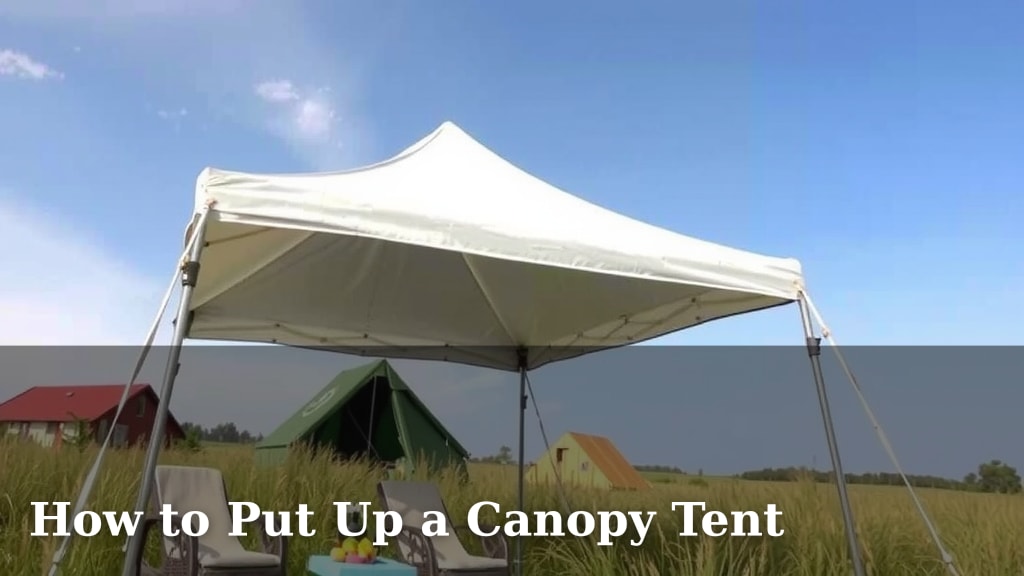
How to Put Up a Canopy Tent
Putting up a canopy tent is a straightforward process that most people can manage with a little guidance. The key is to unfold the frame and then attach the canopy fabric. You’ll want to have all the parts laid out before you start. This makes the setup much quicker and easier. It’s not as hard as it might seem!
Canopy tents are fantastic for providing shade and shelter at outdoor events, parties, or even just for your backyard. They can protect you from unexpected rain showers or strong sun. Setting one up correctly ensures it’s stable and secure. We found that following a few simple steps makes all the difference.
TL;DR:
- Unfold the frame first.
- Attach the canopy fabric to the frame.
- Secure the tent with ropes and stakes.
- Always check the wind conditions.
- Have a helper if possible.
Let’s walk through exactly how to put up your canopy tent, step by step.
Setting Up Your Canopy Tent with Ease
Putting up a canopy tent doesn’t have to be a struggle. You can have shade and shelter ready in no time with a few simple steps. We’ve found that preparation is key. Laying out all your parts before you start makes the whole process much smoother. Think of it like prepping ingredients before cooking; it just makes everything easier.
Unpacking and Identifying Your Tent Parts
Before you even think about unfolding, it’s smart to unpack everything. Take all the pieces out of the bag or box. You’ll usually find a frame that folds up, the canopy fabric, and a bag of accessories. This bag typically holds stakes, ropes, and sometimes a carrying bag. Familiarize yourself with each part. This helps you know what goes where later on.
The Canopy Frame: Your Tent’s Skeleton
The frame is the backbone of your canopy tent. Most frames are telescopic. This means the legs and roof beams can extend. They often have push-button mechanisms or sliders to lock them into place. We found that understanding these locking points is important. They ensure your tent stays sturdy and doesn’t collapse unexpectedly.
The Canopy Fabric: Your Shield from the Elements
The canopy fabric is usually a durable polyester or nylon. It’s designed to offer UV protection and some water resistance. Check for any labels or instructions sewn into the fabric. These might indicate the top side or specific attachment points. You’ll want to make sure you have it oriented correctly before you start attaching it.
Accessories: The Small but Mighty Helpers
Don’t overlook the stakes and ropes! These are essential for stability. Stakes anchor your tent to the ground, preventing it from blowing away. Ropes, often called guy lines, provide extra support, especially in windy conditions. Many experts say proper anchoring is the most critical step for safety (American Red Cross).
The Step-by-Step Setup Guide
Now that you know your parts, let’s get to the actual setup. We found that having a second person can make this significantly easier, but it’s often doable on your own.
Step 1: Partially Unfold the Frame
First, take the folded frame and place it where you want your tent to be. Gently pull the legs apart until the frame is partially open. It should look like a roughly formed square or rectangle. Don’t extend the legs all the way just yet. You want it open enough to walk around but still compact enough to manage easily.
Step 2: Extend the Canopy Fabric
With the frame partially open, drape the canopy fabric over it. Make sure the fabric is centered. The corners of the fabric usually have Velcro straps or ties that will attach to the frame. Many users find it easiest to attach one corner, then walk to the opposite corner to attach that one. This helps keep the fabric taut.
Attaching the Fabric Securely
Once draped, start securing the fabric to the frame. Use the Velcro straps or ties to fasten the canopy to the legs and the top frame. Make sure it’s snug but not so tight that it’s straining the material. This connection is what holds your shade in place.
Step 3: Fully Extend the Frame and Lock Legs
Now it’s time to extend the legs. Gently pull each leg downwards until it reaches its desired height. You’ll likely hear or feel a click or a snap as the locking mechanism engages. This is crucial! If the legs aren’t locked, the tent could collapse. We found it’s best to check each leg to ensure it’s securely locked before moving on.
Step 4: Stake Down Your Tent
This is where those stakes come in. Drive the stakes through the loops or holes at the bottom of each leg. Angle the stakes slightly away from the tent. This provides better holding power. Many guidelines suggest driving stakes into firm, level ground for maximum stability (FEMA).
Using Guy Ropes for Extra Support
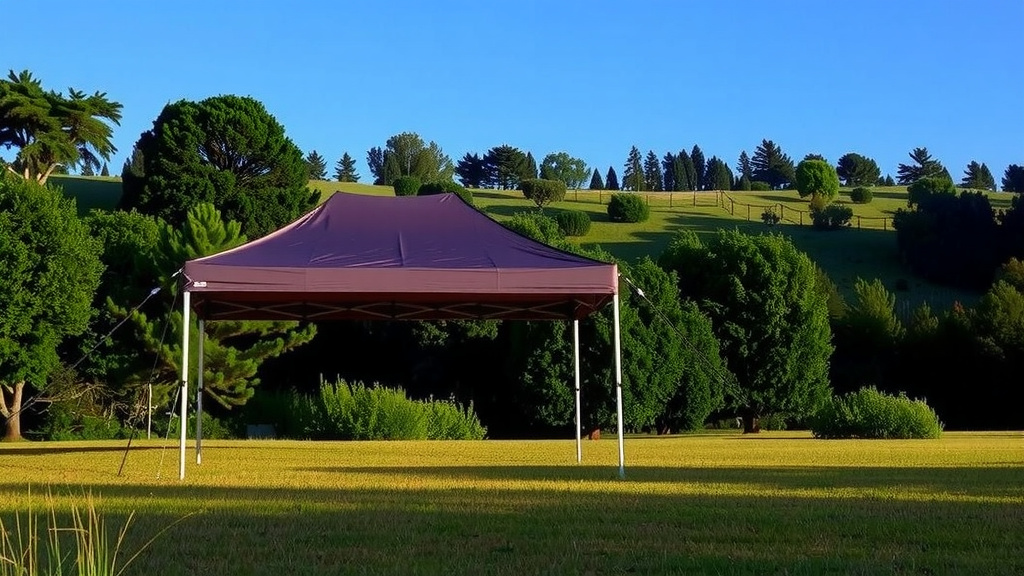
If your tent came with guy ropes, now is the time to attach them. Connect one end to the designated loops on the canopy or frame. Extend the rope outwards and secure the other end to the ground with a stake, ideally a few feet away from the tent. These ropes act like extra guy wires on a sailboat, keeping the tent from swaying too much. Adjust the tension so they are snug but not pulling the tent out of shape.
Important Considerations Before and During Setup
While the steps above cover the basic setup, a few extra tips can save you a lot of hassle. Weather is your biggest factor here.
Checking the Wind Conditions
This is super important for safety. Never set up a canopy tent if there are strong winds or a storm is approaching. Even a moderately windy day can turn dangerous if your tent isn’t properly secured. Many sources recommend taking down your tent if winds exceed 15-20 mph (National Weather Service).
Choosing the Right Location
Pick a level surface for your tent. Avoid setting up on slopes or uneven ground. This prevents the tent from tipping or feeling unstable. Also, consider overhead obstructions like tree branches or power lines. You don’t want any unexpected surprises. Ensure there’s enough space around the tent for people to walk and for the guy ropes.
Maintenance for Longevity
After you’ve taken down your tent, make sure it’s completely dry before storing it. Storing a damp tent can lead to mold and mildew. Shake off any dirt or debris. A little care goes a long way in keeping your canopy tent in good condition for many uses to come.
Quick Canopy Tent Setup Checklist
Here’s a quick rundown to make sure you don’t miss anything:
- Unpack and identify all parts before starting.
- Drape canopy fabric evenly over the partially open frame.
- Secure fabric using Velcro straps or ties.
- Extend legs and ensure each one is locked securely.
- Stake down all legs and attach guy ropes if included.
- Double-check for stability and ensure it’s level.
Conclusion
You’ve learned that setting up your canopy tent is a manageable task when you break it down into simple steps. We’ve covered unpacking, identifying parts, and the core process of unfolding the frame, attaching the fabric, and securing it firmly. Remember to always prioritize safety by checking the weather conditions and choosing a stable location. With a little preparation and these easy steps, you’re ready to enjoy your shaded space. Now, go ahead and practice setting it up – you’ll be a pro in no time!
Frequently Asked Questions
How do I make sure my canopy tent is stable in the wind?
To ensure stability, always stake down all legs firmly. Use the included guy ropes, extending them outwards and anchoring them a few feet away from the tent. Make sure the ropes are taut but not pulling the tent out of shape.
What should I do if I can’t get the canopy fabric to fit snugly?
If the fabric feels loose, double-check that you’ve fully extended and locked all the tent legs to their maximum height. Also, ensure the fabric is centered on the frame before tightening any Velcro straps or ties.
Is it possible to set up a canopy tent by myself?
Yes, you can set up a canopy tent alone, but it’s definitely easier with a helper. If you’re solo, take your time unfolding the frame and draping the fabric slowly, securing one corner at a time.
How do I clean my canopy tent fabric?
For cleaning, use a mild soap and water solution. Gently scrub the fabric with a soft brush, then rinse thoroughly with clean water. Always allow the fabric to air dry completely before storing to prevent mold or mildew.
What’s the best way to store my canopy tent?
After ensuring the tent is clean and completely dry, fold it neatly back into its original bag or a designated storage container. Store it in a cool, dry place, away from direct sunlight or extreme temperatures, to prolong its lifespan.
![7 Best Budget Camping Tents [2026]](https://leonardhomeoutdoor.com/wp-content/uploads/2026/08/7-best-budget-camping-tents-2026-featured-768x432.jpg)

![7 Best Hub Tent [2026]](https://leonardhomeoutdoor.com/wp-content/uploads/2026/08/7-best-hub-tent-2026-featured-768x432.jpg)