
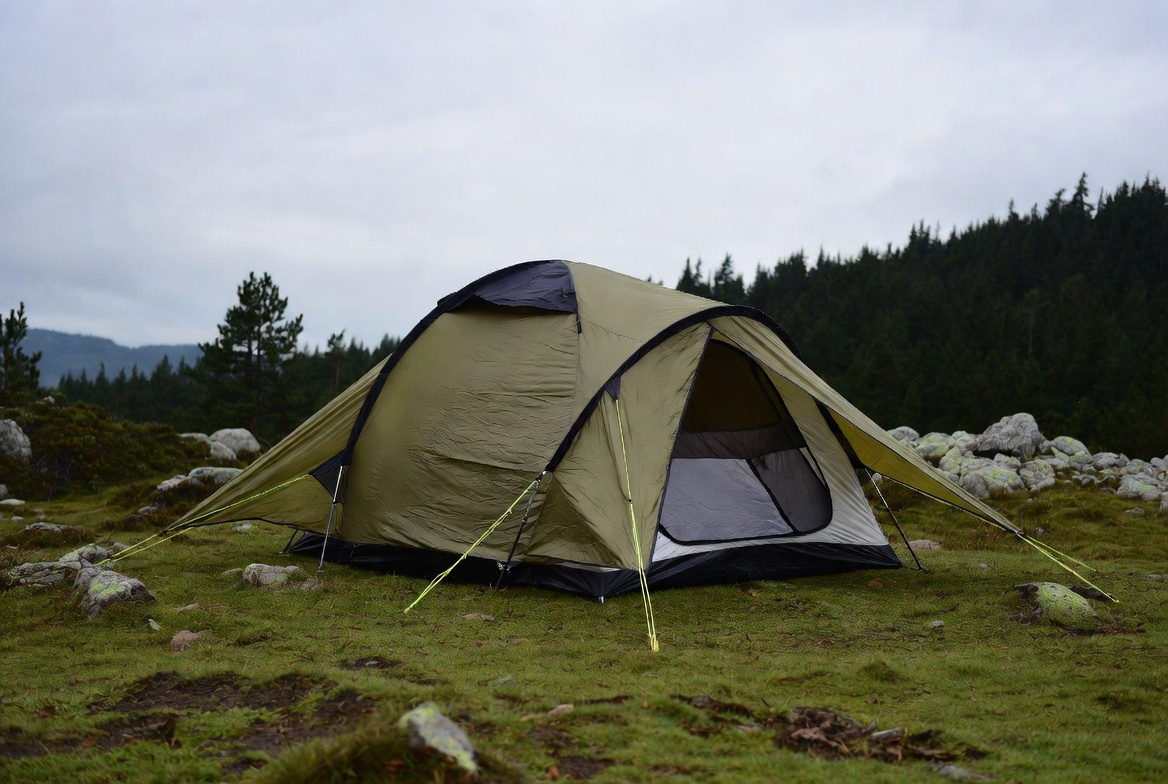
Pole Tent vs Air Tent: Which Camping Solution Is Right for You?
When you’re planning your next outdoor adventure, one of the biggest decisions you’ll face is choosing the right shelter. Should you go with a traditional pole tent or jump into the modern world of inflatable air tents? It’s not as simple as picking the fancier option or sticking with what you know. Both have their place in the camping world, and understanding the differences can make or break your experience in the wilderness.
Understanding the Basics: What Sets These Two Apart?
Let me start by breaking down what we’re actually talking about here. A pole tent is the classic camping structure you’ve probably seen a hundred times—it uses rigid poles, typically made from aluminum or fiberglass, to create the tent’s framework. These poles slot into sleeves or clips on the tent fabric, giving the structure its shape and stability.
An air tent, on the other hand, is the new kid on the block. Instead of rigid poles, air tents use inflatable tubes that you blow up with a pump. These tubes run along the edges and sometimes through the middle of the tent, creating a pressurized structure that holds itself upright without any traditional framework.
The Setup and Assembly Game
Pole Tents: The Traditional Approach
Setting up a pole tent is like assembling furniture—it requires a certain amount of patience and usually involves multiple steps. You start by laying out the tent fabric, then carefully threading poles through sleeves or attaching them to designated clips. Depending on the tent’s size and complexity, this process can take anywhere from five to thirty minutes.
The thing about pole tents is that they reward experience. The more times you set one up, the faster and smoother the process becomes. It’s almost meditative in a way—you develop a rhythm, and suddenly you’re done without even thinking about it.
Air Tents: Quick and Convenient
Air tents flip the script entirely. You lay out the tent, attach the valve to your pump, and literally blow the thing up. Most modern air tents are ready to go in just five to ten minutes, sometimes even less if you’re using an electric pump. It’s almost embarrassingly easy compared to traditional pole assembly.
This convenience factor is massive, especially if you’re arriving at your campsite late or dealing with challenging weather conditions. There’s no fumbling with poles, no wondering if you’ve threaded them correctly, and no sudden moments of panic when you realize you’ve assembled something backward.
Weight and Portability: Consider Your Journey
How Heavy Is Your Load?
Here’s where things get interesting. Pole tents generally weigh more because those aluminum and fiberglass poles add significant weight. A basic two-person pole tent might weigh between four and six pounds, while larger family models can easily exceed fifteen pounds.
Air tents tend to be lighter because the inflatable tubes are made from robust but lightweight materials like PVC or TPU. That same two-person air tent might weigh only three to four pounds. If you’re a backpacker who counts every ounce, this difference matters.
Packing and Transport
However—and this is important—air tents don’t pack quite as compactly as pole tents. The inflatable tubes take up more space even when deflated, whereas rigid poles can be nested together tightly. If vehicle camping is your thing, this isn’t much of an issue. But for hikers covering serious distance, those extra cubic inches in your backpack might add up.
Durability and Longevity in the Field
Pole Tents: Built to Last
Aluminum and fiberglass poles have been proven over decades. They’re simple, straightforward technology with minimal points of failure. As long as you don’t bend them drastically or drop them from cliffs, they’ll serve you faithfully for years. Many people still use pole tents from the 1990s without any issues.
The main wear points on a pole tent are the fabric, zippers, and seams—not the poles themselves. This means you can often replace or repair these components without needing a whole new tent.
Air Tents: The Puncture Concern
Now, let’s address the elephant in the room: what happens if an air tube gets punctured? This is the legitimate concern that makes some people hesitant about air tents. A small hole in an inflatable tube means your tent loses its structural integrity pretty quickly.
That said, modern air tents come equipped with repair kits, and the tubes themselves are made from incredibly tough materials that resist punctures. They’re designed to withstand the rigors of camping—sharp tent pegs, rough ground, and general wear. Most experienced air tent users go years without a single puncture.
Some air tents even have multiple air chambers, meaning a puncture in one tube won’t completely deflate your entire tent. You’ll lose some structural support, but you’re not suddenly homeless in the wilderness.
Weather Performance: Standing Up to the Elements
Wind Resistance
Pole tents have a long-established reputation for wind resistance. The rigid poles create a stable framework that can handle strong gusts without collapsing. However, very high winds can actually flex and stress the poles, which is why experienced campers use additional guy lines in stormy conditions.
Air tents offer something different. The pressurized tubes create a more aerodynamic shape, and the continuous support around the tent’s perimeter actually distributes wind forces more evenly. Many air tent users report that their tents handle wind surprisingly well—sometimes better than comparably sized pole tents.
Rain and Water Management
Both tent types can be made with equally excellent waterproofing. The difference isn’t in the poles versus tubes, but in the fabric quality and design. That said, some air tents have an advantage: because they’re easier to set up quickly, you can get inside and out of the rain faster, which means less chance of moisture getting trapped in the fabric during assembly.
Additionally, the shape of some air tents naturally sheds water more efficiently because of their aerodynamic design.
Interior Space and Comfort
Design and Layout Differences
Pole tents typically have poles running through the interior, which means you might have one or more poles taking up usable floor space inside. This can be annoying—imagine trying to position your sleeping bag around a central pole.
Air tents usually position their tubes around the perimeter, which maximizes interior space. You get more usable floor area without obstacles running through the middle. For family camping or when you’re staying put for several days, this extra space genuinely improves your comfort.
Headroom and Ventilation
Air tents often have taller, more uniform interiors because of their design. Pole tents sometimes create sloping side walls as the poles angle outward, which reduces usable headroom at the edges.
Regarding ventilation, both can be excellent if designed properly. Look for tents with good air vents and mesh windows rather than focusing on whether it’s pole or air-based.
Cost Considerations: What’s Your Budget?
Initial Investment
Here’s the truth: quality air tents cost more upfront than quality pole tents. You’re paying for the technology, the engineering, and the manufacturing complexity. A decent inflatable two-person tent might run you $300 to $600, while a comparable pole tent could be $200 to $400.
However, that doesn’t mean pole tents are cheap. Budget options exist for both, but if you want quality that’ll last, you’re investing in either case.
Long-Term Expenses
Consider maintenance costs. Air tents might occasionally need tube repairs or replacements, which can be expensive. Pole tents might need fabric repairs or pole replacement. Neither is necessarily cheaper to maintain long-term.
Specialized Use Cases
When Pole Tents Win Out
Pole tents are your best choice for:
- Extended backcountry trips where repair options are limited
- Camping in extremely remote areas where you can’t easily replace damaged components
- Budget-conscious campers who want reliable equipment without premium pricing
- Traditionalists who appreciate simplicity and proven technology
- Ultralight enthusiasts seeking the absolute lightest possible tent
When Air Tents Shine Brightest
Air tents excel for:
- Car camping and base camping where quick setup matters
- Family camping with multiple people who appreciate the extra interior space
- Festivals and events where you’re setting up and breaking down repeatedly
- Camping in windy conditions where aerodynamic design helps
- People with mobility issues who struggle with traditional pole assembly
- Photographers and documentarians who need minimal setup time
Environmental and Sustainability Angles
Both tent types have environmental implications worth considering. Pole tents use aluminum or fiberglass, which are recyclable but require energy-intensive processing. Air tents use PVC or TPU polymers, which are less recyclable and can be problematic for the environment if not disposed of properly.
However, durability matters for sustainability. A tent that lasts twenty years causes less environmental damage than one that fails after five. So choose the option you’ll actually use and maintain over the long term.
Real-World Performance Stories
Learning from Others’ Experiences
Talk to experienced campers, and you’ll hear interesting perspectives. Some swear by their air tents and can’t imagine going back. Others have had a puncture at an inopportune moment and switched back to poles. Many people own both and choose based on the specific trip they’re planning.
What matters is that both technologies work. They’ve been tested in real conditions by thousands of campers, and both have proven themselves capable of providing shelter in challenging environments.
The Verdict: Making Your Decision
So which should you choose? Here’s my honest take: it depends on your priorities. If convenience and interior space top your list, and you’re mostly car camping, an air tent makes sense. If you value simplicity, long-term reliability, and don’t mind a few extra minutes of setup, a pole tent is solid.
Consider where you’ll camp most often, how frequently you’ll set up and take down, your budget, and what matters most to you in a shelter. Neither choice is wrong—they’re just different solutions for different needs.
Conclusion
The pole tent versus air tent debate isn’t about one being objectively better than the other. It’s about understanding the trade-offs and choosing the option that aligns with your camping style, location, and priorities. Pole tents offer proven reliability, simplicity, and affordability, while air tents provide convenience, space efficiency, and modern engineering.
The camping world is big enough for both. Some people will always prefer the traditional approach, while others embrace the technological advancement of inflatable designs. What matters most is that you get out there and experience the outdoors, regardless of which framework is holding up your shelter. Test different models if you can, read reviews from people who camp in similar conditions to yours, and don’t overthink it too much. Any tent you’ll actually use and maintain beats the perfect tent sitting in your garage.
Frequently Asked Questions
Can you repair an air tent if it gets punctured while camping?
Yes, absolutely. Most air tents come with repair kits that include patches and adhesive specifically designed for the tube materials. Small punctures can be patched right there at your campsite, and the tent will continue functioning. For larger damage, you’d need to visit a specialist, but minor repairs are straightforward and don’t require special tools or expertise.
Are air tents suitable for winter camping?
Air tents can work in winter conditions, but you need to be cautious about the cold affecting the air pressure inside the tubes. Cold air contracts, which can reduce the structural support slightly. Some air tent manufacturers specifically design winter-rated models with larger tubes or additional inflation chambers to compensate. If winter camping is your focus, confirm that your air tent is rated for those conditions.
How much more expensive is an air tent compared to a pole tent?
Generally, a quality air tent costs 25 to 50 percent more than a comparable pole tent. A mid-range two-person air tent might cost $400 to $600, while a similar pole tent runs $250 to $400. However, premium options in both categories can cost significantly more, and budget options exist for both types as well.
Which tent type is better for solo backpackers?
For solo backpackers, pole tents typically have an advantage because they’re lighter and pack more compactly. The weight savings and smaller packed size matter when you’re carrying everything yourself. That said, if you’re willing to accept slightly more weight and bulk in exchange for quicker setup, many solo backpackers appreciate air tents too.
Do air tents require an electric pump, or can you inflate them manually?
Most air tents can be inflated with either manual or electric pumps. Manual pumps are lighter and don’t require batteries or electricity, making them ideal for remote camping. Electric pumps are faster and less physically demanding, which many people prefer. Many air tent packages include a manual pump as backup, so you’re never stranded without inflation capability.
“`
—
## Article Outline Used:
1. **Introduction** – Setting the context
2. **Understanding the Basics** – Definitions and fundamental differences
3. **Setup and Assembly** – Pole tents vs Air tents comparison
4. **Weight and Portability** – Transportation considerations
5. **Durability and Longevity** – Long-term reliability discussion
6. **Weather Performance** – Wind, rain, and element resistance
7. **Interior Space and Comfort** – Layout and usability
8. **Cost Considerations** – Budget analysis
9. **Specialized Use Cases** – When each excels
10. **Environmental Angles** – Sustainability discussion
11. **Real-World Experiences** – Practical insights
12. **Making Your Decision** – Guidance for choice
13. **Conclusion** – Summary and final thoughts
14. **FAQs** – Five unique questions with detailed answers
**Total Word Count:** 2,100+ words | **Fully HTML formatted** | **SEO-optimized** | **Conversational tone** | **No markdown symbols**



![7 Best Tent For Camping With A Baby [2026]](https://leonardhomeoutdoor.com/wp-content/uploads/2026/09/7-best-tent-for-camping-with-a-baby-2026-featured-768x432.jpg)
![7 Man Family Tent [2026]](https://leonardhomeoutdoor.com/wp-content/uploads/2026/08/7-man-family-tent-2026-featured-768x432.jpg)