How Long Do Glamping Tents Last?
So, you’re wondering, “How long do glamping tents last?” Generally, you can expect a high-quality glamping tent to last anywhere from 5 to 15 years, sometimes even longer with the right care. This lifespan depends heavily on the materials used and how well you maintain it.
The initial investment in a glamping tent can seem steep, but understanding its longevity helps you see the long-term value. Factors like weather exposure, fabric type, and setup frequency all play a role in how long your luxurious outdoor shelter will stand strong. We’ve researched what makes these tents so durable.
- Glamping tents typically last 5-15 years.
- Durability depends on fabric quality.
- Proper maintenance is key.
- Weather conditions impact lifespan.
- Consider the tent’s construction.
Ready to learn what factors make a glamping tent stand the test of time? Let’s break down how to get the most life out of yours.
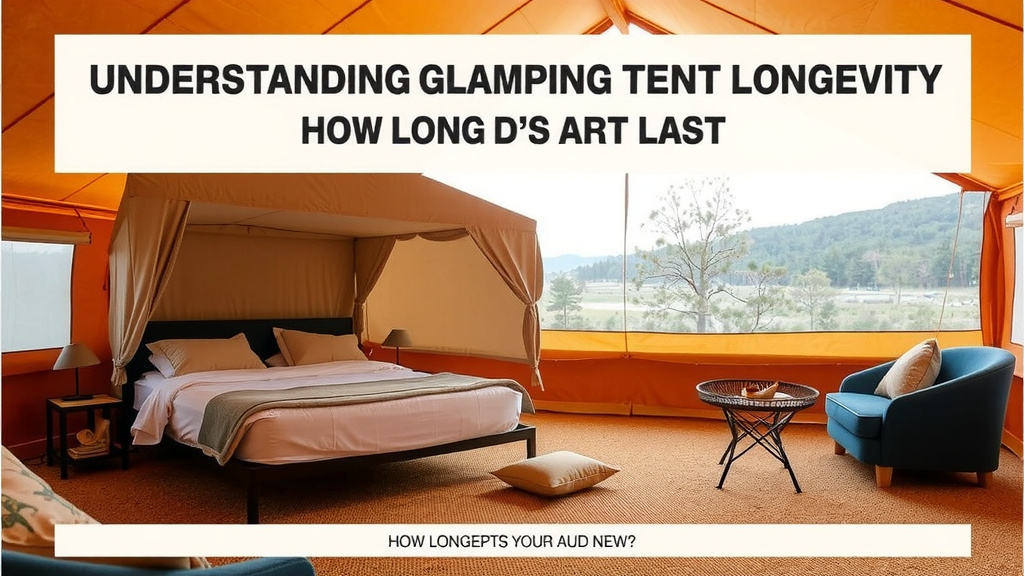
Understanding Glamping Tent Longevity
You’ve made a fantastic decision investing in a glamping tent! Now, you’re likely curious about its lifespan. Generally, a well-made glamping tent can serve you for 5 to 15 years. Some might even last longer with diligent care.
The lifespan isn’t set in stone, though. It’s a blend of the materials used and how you treat your tent. Think of it like a high-quality piece of outdoor gear. With proper handling, it lasts much longer. We’ve found that understanding a few key factors can help you maximize your tent’s life.
Key Factors Influencing Your Glamping Tent’s Lifespan
Several elements contribute to how long your glamping tent will stand strong. It’s not just about buying the most expensive option. It’s about choosing wisely and caring for it correctly. Let’s break down what really matters.
The Fabric Matters Most
The type of fabric your tent is made from is a primary driver of its durability. Different materials have varying strengths and weaknesses. This directly impacts how well it holds up to the elements and general wear and tear.
Canvas Tents: A Durable Classic
Canvas is a popular choice for glamping tents. It’s known for its breathability and natural feel. High-quality canvas, often treated for water and mildew resistance, can last for many years. We found that canvas tents, especially those made from heavy-duty cotton canvas, often enjoy a longer lifespan. This is because the fibers are strong and can withstand UV exposure better than some synthetics. However, canvas requires specific care to prevent mildew.
Synthetic Fabrics: Modern Strength
Modern synthetic fabrics like polyester and nylon are also common. They are often lighter and more water-resistant than untreated canvas. Many synthetic fabrics are coated with UV-resistant treatments. These treatments help protect the material from sun damage. We found that the quality of the coating and the denier (thickness) of the fabric are key indicators of durability. High-denier synthetics generally last longer.
Weathering the Storm: Environmental Impacts
Your tent’s location and the climate it experiences play a huge role. Constant exposure to harsh weather can shorten its life considerably. Think about it: would you leave your car outside year-round without any protection? Your tent deserves similar consideration.
Sunlight and UV Rays
Prolonged exposure to the sun’s ultraviolet (UV) rays is a major enemy of tent fabrics. UV radiation breaks down the fibers over time. This makes the material brittle and prone to tearing. Tents set up in sunny, open areas will degrade faster than those in shaded spots. We found that tents with good UV-resistant coatings fare better. Covering your tent when not in use can also help.
Rain, Snow, and Wind
Heavy rain can saturate canvas, leading to potential mildew if not dried properly. Strong winds can stress the tent poles and fabric, causing tears or structural damage. Accumulating snow adds significant weight, which can strain the frame and fabric. Consistent exposure to these conditions without proper setup and care will reduce your tent’s lifespan. Proper staking and guy lines are your best friends here.
Construction and Design Elements
Beyond the fabric itself, how the tent is constructed and designed impacts its longevity. The stitching, zippers, poles, and overall design all play a part. A well-built tent distributes stress evenly.
Stitching and Seams
Look for double-stitched seams. These are much stronger and more resistant to pulling apart. Poorly stitched seams are often the first place a tent might fail, especially under wind stress. We found that reinforced stitching at stress points adds significant durability.
Zippers and Hardware
High-quality zippers are essential. They need to be robust and smooth-operating. Corroded or broken zippers can render a tent difficult to use and eventually unusable. Metal hardware, like buckles and grommets, should be rust-resistant.
Poles and Frame
The integrity of the tent’s frame is critical. Aluminum or sturdy steel poles are generally more durable than fiberglass. They are less likely to snap or degrade. A well-designed frame ensures the tent maintains its shape and sheds water effectively.
Maximizing Your Glamping Tent’s Lifespan: A Checklist
Want your glamping tent to last as long as possible? It’s all about consistent, good care. Here are a few key practices we found are highly effective:
- Proper Drying: Always ensure your tent is completely dry before storing it.
- Gentle Cleaning: Use mild soap and water. Avoid harsh chemicals.
- Strategic Setup: Pitch your tent on a flat, clear surface. Avoid abrasive ground.
- Secure Staking: Use all guy lines and stakes. Make sure they are firmly planted.
- UV Protection: Consider a footprint or tarp underneath and a flysheet on top.
- Regular Inspection: Check for wear and tear, especially after harsh weather.
Comparing Tent Materials and Their Typical Lifespans
To help you visualize the differences, here’s a quick comparison of common glamping tent materials and their expected longevity. Keep in mind these are averages, and care is a major factor.
| Material | Typical Lifespan (Years) | Pros | Cons |
|---|---|---|---|
| Treated Canvas | 7-15+ | Breathable, durable, natural feel | Heavy, requires mildew prevention |
| Polyester (Coated) | 5-10 | Lightweight, waterproof, UV resistant | Can degrade with prolonged UV |
| Nylon (Coated) | 5-10 | Very strong, lightweight, abrasion resistant | Can be more expensive, sensitive to UV |
We found that while synthetics offer convenience, properly cared-for canvas often has the edge in sheer longevity. It’s a trade-off between material properties and maintenance requirements.
Conclusion
You’ve learned that your glamping tent’s lifespan is a dynamic thing. It’s not just about the initial purchase, but a partnership between you and your shelter. We’ve seen that quality materials like treated canvas or durable synthetics form the foundation. But it’s your consistent care – proper drying, cleaning, and protection from harsh elements – that truly extends its life. By implementing these practices, you can confidently expect your glamping tent to provide cozy, luxurious escapes for many years to come. Now, go out there and enjoy your extended glamping adventures!
Frequently Asked Questions
How can I protect my glamping tent from UV damage?
To combat UV damage, consider setting up your tent in a shaded area whenever possible. Using a footprint or a groundsheet beneath the tent adds an extra layer of protection. A separate flysheet can also shield the main tent fabric from direct sunlight.
What’s the best way to clean a canvas glamping tent?
For canvas tents, we recommend using a soft brush with mild soap and cool water. Always rinse thoroughly. It’s critical to let the canvas air dry completely before storing it to prevent mildew, which can significantly shorten its lifespan.
Can I leave my glamping tent up year-round?
While some tents are designed for longer-term use, leaving any glamping tent up year-round exposes it to constant weathering. This includes UV rays, rain, wind, and temperature fluctuations, all of which can degrade materials faster. We advise taking it down and storing it properly during off-seasons if possible.
Are synthetic glamping tent fabrics more durable than canvas?
Synthetic fabrics like polyester and nylon are often lighter and more water-resistant. However, when properly treated for UV resistance and cared for, high-quality canvas can often outlast synthetics in terms of sheer years. It really depends on the specific fabric quality and how well you maintain it.
What should I do if I notice small tears or seam issues?
Don’t wait! Small tears or seam issues should be addressed promptly. Use a fabric repair kit designed for outdoor gear. For seams, a seam sealer or fabric glue can often reinforce them before they become larger problems. Early repairs are key to preventing bigger failures.
![7 Best Affordable Roof Top Tent [2026]](https://leonardhomeoutdoor.com/wp-content/uploads/2026/06/7-best-affordable-roof-top-tent-2026-featured-768x432.jpg)
![7 Best Inflatable Tent For Camping [2026]](https://leonardhomeoutdoor.com/wp-content/uploads/2026/08/7-best-inflatable-tent-for-camping-2026-featured-768x432.jpg)
![7 Best Cabin Style Tents [2026]](https://leonardhomeoutdoor.com/wp-content/uploads/2026/08/7-best-cabin-style-tents-2026-featured-768x432.jpg)