
How Long Do Tents Stay Waterproof?
Your tent’s waterproof magic doesn’t last forever, but it can stick around for a long time with the right care. Most tents stay waterproof for 2 to 5 years on average, though some can last even longer. This depends heavily on the materials used and how well you maintain them.
When we talk about waterproof tents, we’re usually referring to the fabric coating and sealed seams. Over time, UV rays, abrasion, and improper cleaning can break down these protective layers. This means even a great tent can start to let water in if you don’t give it some love.
- Tent waterproofing fades over time.
- Expect 2-5 years of good performance usually.
- Material quality and care make a big difference.
- UV rays and harsh cleaning degrade coatings.
- Proper maintenance can extend your tent’s life.
Let’s dive into what affects your tent’s lifespan and how you can keep it performing its best for as many adventures as possible.
How Long Will Your Tent’s Waterproofing Last?
So, you’ve got a tent that’s kept you dry on countless adventures. But you’re wondering, “When does this magical waterproof shield start to fade?” We found that the lifespan of your tent’s waterproofing really depends on a few key things, but most tents give you a good 2 to 5 years of reliable protection.
Think of your tent’s waterproofing like the sunscreen on your skin. You wouldn’t go out for a week-long beach trip without reapplying, right? Your tent needs similar attention. Without it, that protective coating can start to break down. This is often due to exposure to the elements and how we treat it after a trip.
The Factors That Impact Tent Waterproofing
Material Matters: What Your Tent is Made Of
The type of fabric your tent is constructed from plays a huge role. Many modern tents use nylon or polyester. These are excellent materials, but their waterproof coatings are what really count. You’ll often see terms like PU (polyurethane) coating or DWR (durable water repellent) finish.
Higher-quality coatings tend to be more robust. They can withstand more wear and tear before showing signs of degradation. Cheaper tents might use thinner coatings that wear off more quickly. This means a more expensive tent often offers longer-lasting waterproof protection.
UV Rays: The Sun’s Slow Sabotage
This is a big one! Prolonged exposure to ultraviolet (UV) rays from the sun is a primary culprit in breaking down tent fabrics and their coatings. Even when your tent is stored, if it’s in a sunny spot, those UV rays are still doing damage.
We found that tents used frequently in sunny climates or left set up outdoors for extended periods will likely see their waterproofness degrade faster. It’s like leaving plastic out in the sun; it becomes brittle over time. Proper storage is key here.
Abrasion and Physical Wear
Every time you pack your tent, set it up, or even just brush against it, there’s a potential for abrasion. Dragging it across rough ground, stuffing it into a bag without care, or even small branches can cause tiny tears or wear down the fabric’s protective coating.
Think about the floor of your tent. It often gets the most abuse. Repeatedly walking on it or placing gear on it can stress the material and its waterproofing. We found that being gentle during setup and takedown can really help extend its life.
The Impact of Cleaning and Care
How you clean your tent after a trip can make or break its waterproof capabilities. Using harsh detergents, abrasive scrubbers, or putting your tent in a washing machine or dryer can strip away the DWR finish and damage the PU coating.
Many experts say that tents should never go into a washing machine. This is because the agitation and strong chemicals can irreparably harm the fabric and its waterproofing. Gentle hand washing with mild soap and cool water is usually recommended.
Understanding Waterproofing Metrics: What Do Those Numbers Mean?
You might see numbers like 1500mm or 10000mm associated with tent fabrics. These refer to the hydrostatic head rating. This measures how much water pressure the fabric can withstand before it starts to leak. A higher number means better waterproofing.
For example, a fabric with a 1500mm rating can hold a column of water 1500mm high before it begins to seep through. Most camping tents have ratings between 1500mm and 5000mm. For serious backpacking or expedition use, you might see higher ratings.
| Use Case | Typical Hydrostatic Head (mm) | Notes |
|---|---|---|
| Light Camping/Backpacking | 1,500 – 3,000 | Good for most casual use in moderate weather. |
| All-Weather/Expedition | 3,000 – 10,000+ | Designed to handle heavy rain and snow loads. |
While a higher rating is great, remember that seams also need to be taped or sealed. Even the best fabric will leak if the seams are not waterproof.
Signs Your Tent’s Waterproofing is Failing
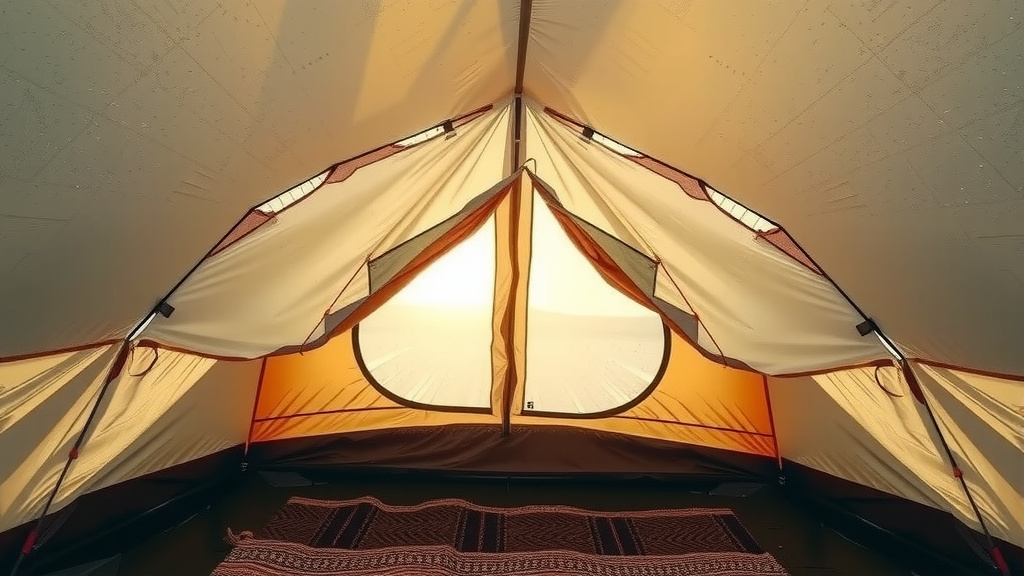
How can you tell if your tent is starting to lose its magic? Keep an eye out for these common signs. They’re your tent’s way of telling you it needs some attention.
- Water Absorption: The fabric starts to look darker or feel damp even when it hasn’t rained. It’s soaking up moisture instead of repelling it.
- Beading vs. Wetting Out: When new, water beads up and rolls right off. If it starts to soak into the fabric, the DWR coating has likely worn off. This is called “wetting out.”
- Visible Degradation: You might see peeling coatings, chalkiness on the fabric, or a sticky feel, especially on older tents.
- Leaky Seams: You notice water dripping from the seams inside the tent, even if the fabric itself seems okay.
How to Extend Your Tent’s Waterproof Life
The good news is you’re not powerless! You can take steps to keep your tent waterproof for longer. It’s all about smart storage and careful cleaning.
Proper Storage is Key
After every trip, make sure your tent is completely dry before storing it. Even a little dampness can lead to mildew, which damages the fabric and its coatings. Store it loosely in a breathable bag, not crammed into a stuff sack.
We found that storing your tent in a cool, dry place, away from direct sunlight, is ideal. Think of a closet shelf or a bin in your garage, but make sure it’s not exposed to extreme temperatures or humidity. Avoid storing it with heavy items on top.
Gentle Cleaning Practices
When it’s time to clean, skip the washing machine. Hand wash your tent in cool water using a very mild soap or specialized tent cleaner. A soft sponge or cloth is best for scrubbing.
Rinse thoroughly to remove all soap residue. Then, allow it to air dry completely, away from direct heat or sunlight. Never use bleach or harsh chemicals, as they will destroy the waterproof coating.
Reapplying Waterproofing Treatments
If you notice water no longer beads up, it might be time to reapply a DWR treatment. Products like Nikwax or Grangers offer sprays and washes that can help restore water repellency. These are relatively inexpensive and can significantly extend your tent’s waterproof life.
Always follow the product instructions carefully. Many require you to wash the tent first and then apply the treatment. This is a great way to give an older tent a new lease on life and keep it performing well.
Seam Sealing Maintenance
Check your tent’s seams periodically. If you see any signs of peeling seam tape or feel a draft, you can reapply seam sealer. This is a liquid sealant that you brush onto the seams. It helps ensure that water stays out.
Quick Checklist for Tent Longevity
Want to make sure you’re doing everything right? Here’s a quick rundown:
- Always dry your tent completely before storing.
- Store in a cool, dry place, out of direct sunlight.
- Never machine wash or dry your tent.
- Use mild soap and cool water for cleaning.
- Inspect seams for damage and re-seal if needed.
- Reapply DWR treatment when water stops beading.
Conclusion
Your tent’s waterproof magic is a finite resource, but with proper care, you can significantly extend its life. Remember that most tents offer 2 to 5 years of reliable waterproofing, influenced by materials, UV exposure, and how you treat it. By ensuring your tent is always dry before storing, using gentle cleaning methods, and reapplying treatments when needed, you’re actively protecting your investment.
Don’t let a little effort go to waste; these steps will keep your tent performing its best for countless adventures. So, make sure to inspect your tent regularly and give it the attention it deserves.
Frequently Asked Questions
How often should I reapply DWR treatment?
You should consider reapplying DWR treatment when you notice that water is no longer beading up on your tent’s fabric. This often happens after a few years of use, depending on how frequently you camp and in what conditions. It’s a simple process that can make a big difference.
Can I use a regular household detergent to clean my tent?
No, it’s best to avoid regular household detergents. Harsh chemicals and strong cleaning agents can strip away the tent’s DWR finish and damage the waterproof coating. Opt for mild, specialized tent cleaners or very gentle soap diluted in cool water.
What’s the difference between a DWR finish and a PU coating?
A DWR (Durable Water Repellent) finish is the outermost layer that makes water bead up and roll off. A PU (polyurethane) coating is typically applied underneath the fabric to provide the primary waterproof barrier. Both are essential for keeping you dry.
Is it okay to leave my tent set up outside for a few days?
While convenient, prolonged exposure to sunlight and the elements can degrade your tent’s waterproof coatings and fabric more quickly. If possible, it’s best to pack your tent away after use, ensuring it’s completely dry before storing it.
My tent is only a year old but seems to be leaking. What could be wrong?
Even new tents can develop leaks if the seams aren’t properly sealed or if there’s been physical damage. Check the taped seams for any peeling or gaps. Also, inspect the fabric for any small tears or abrasions that might have occurred during setup or transport.

![7 Best Budget Waterproof Tent [2026]](https://leonardhomeoutdoor.com/wp-content/uploads/2026/08/7-best-budget-waterproof-tent-2026-featured-768x432.jpg)