How Long Does Scotchgard Take to Dry on a Tent?
Generally, Scotchgard for tents takes about 2 to 12 hours to dry. The exact drying time depends on several factors, like the specific product used, the temperature, and humidity levels. You want your tent to be completely dry before packing it away, so give it ample time.
We know how important it is to get your camping gear ready. Understanding how long Scotchgard needs to cure helps ensure it provides the best water repellency. This treatment is key to keeping your tent dry and cozy during your adventures. It’s a small step that makes a big difference.
- Scotchgard typically dries in 2-12 hours.
- Drying depends on product, temp, and humidity.
- Ensure tent is fully dry before storage.
- Proper drying maximizes water resistance.
Let’s dive into the details of Scotchgard drying times so you can plan your tent maintenance like a pro.
Getting Your Tent Dry After Scotchgard Application
You’ve applied Scotchgard to your tent, and now you’re wondering, “When can I pack this up?” It’s a fair question! You want to make sure the treatment has fully cured. This ensures your tent will be ready to repel rain and moisture on your next adventure. Let’s break down what affects drying time.
Understanding Scotchgard Drying Times
Scotchgard treatments are designed to create a protective barrier. This barrier needs time to set properly. While some products might feel dry to the touch fairly quickly, a full cure is essential. This means waiting for the water-repellent properties to fully activate.
Typical Drying and Curing Times
Most Scotchgard products for fabrics, including those used on tents, suggest a drying period of about **2 to 12 hours**. This is the time it usually takes for the liquid spray to evaporate and the coating to form. However, curing is a bit different. Curing is when the protective molecules fully bond and create that durable, water-repellent finish. This can take up to **48 hours** or even a few days.
Factors Influencing How Long Scotchgard Takes to Dry
Several environmental and product-specific factors play a role in how quickly your tent dries after treatment. Think of it like drying laundry on a humid day versus a dry one.
Temperature Matters
Warmer temperatures generally speed up drying. When it’s hot, the water and solvents in the Scotchgard evaporate faster. If you’re treating your tent on a cool day, expect it to take longer to dry. Many sources suggest treating tents when temperatures are between **50°F and 85°F** (10°C to 30°C) for optimal results (3M Science of Spray).
Humidity Levels Are Key
High humidity means there’s more moisture already in the air. This slows down the evaporation process. If you live in a damp climate or it’s a steamy day, your tent will take considerably longer to dry. Conversely, a dry environment helps Scotchgard evaporate more quickly.
Airflow Enhances Drying
Good ventilation is your best friend here. If your tent is set up in a breezy spot, the moving air will carry away the evaporating moisture. This significantly reduces drying time. Trying to dry it in a closed-up garage? That’s going to take much longer.
Product Specifics
Different Scotchgard formulas exist. Some are designed for faster drying or specific fabric types. Always check the product label for the manufacturer’s specific instructions. They will usually give you the best estimate for their particular product.
The Difference Between Dry to the Touch and Fully Cured
It’s easy to confuse “dry to the touch” with “fully cured.” After a few hours, the surface of your tent might feel dry. You might even think it’s ready to go. But the water-repellent treatment is still developing.
What “Dry to the Touch” Means
This means the bulk of the liquid spray has evaporated. You can lightly touch the surface without getting your fingers wet or sticky. Your tent won’t feel damp anymore. This stage typically happens within **1 to 4 hours**.
What “Fully Cured” Means
Full curing is when the water-repellent polymers have properly bonded to the tent fabric. This is when the maximum water resistance is achieved. Packing your tent before it’s fully cured could mean the treatment isn’t as effective. It might also get scuffed or damaged during storage.
When Can You Safely Pack Your Tent?
To be absolutely sure your tent is ready for storage, aim for it to be completely dry and fully cured. This means waiting the full recommended time, often up to 12 hours for initial drying, and ideally letting it sit for an additional day or two before packing. It’s better to wait a little longer than to risk compromising your tent’s protection.
The Ideal Scenario for Drying
The best approach is to treat your tent on a clear, warm, and breezy day. Set it up outdoors, away from direct, harsh sunlight which can sometimes affect the treatment. Ensure it has good airflow all around. This allows for the quickest and most effective drying and curing process.
What If You Can’t Wait?
If you’re pressed for time, aim for at least the 12-hour drying period. Let it sit in a well-ventilated area indoors if outdoor space isn’t available. Avoid packing it if it still feels even slightly damp or sticky. A little patience now means a drier, more comfortable camping experience later.
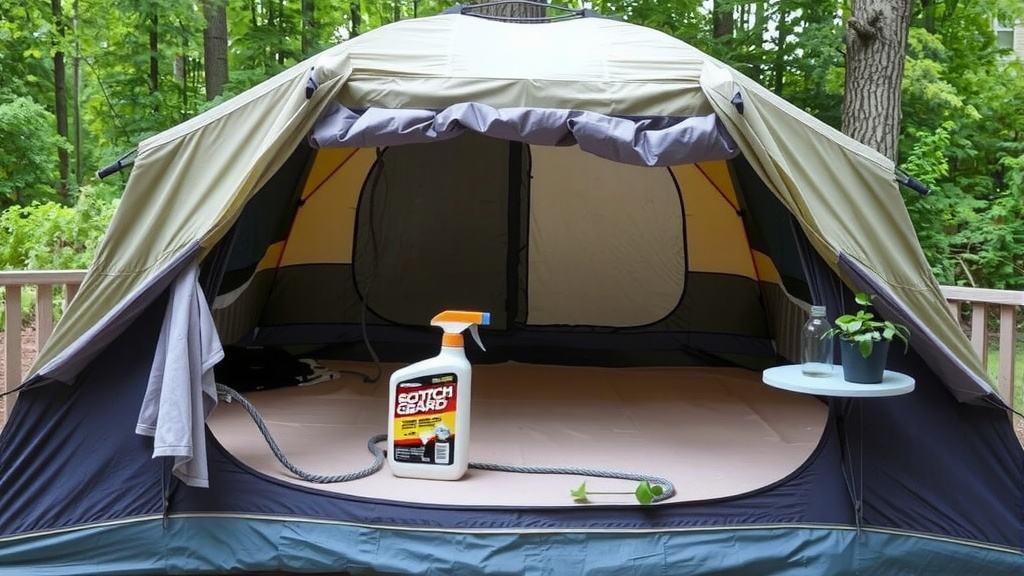
Checklist: Ensuring Your Tent is Ready Post-Scotchgard
Here’s a quick way to make sure you’ve done everything right:
- Read the Scotchgard product label for specific drying times.
- Apply in good weather: warm, dry, and breezy conditions are best.
- Allow for at least 12 hours of drying time in a well-ventilated area.
- Check that the tent fabric feels completely dry and not sticky.
- If possible, let it cure for an additional 24-48 hours before packing.
- Store only when you are certain it is bone dry.
Conclusion
You’ve learned that Scotchgard on your tent needs between 2 and 12 hours to dry, but full curing can take up to 48 hours. Remember that temperature, humidity, and airflow all play a role in how long you’ll wait. Don’t pack your tent away until it feels completely dry and isn’t sticky. Waiting for the full cure ensures your tent’s water repellency is at its best for your next trip. For optimal protection, aim to treat your tent on a warm, breezy day and give it that extra time to bond properly.
Frequently Asked Questions
Can I speed up the drying time for Scotchgard on my tent?
Yes, you can help speed up the drying. Ensure good airflow by setting up your tent in a breezy spot. Warmer temperatures also help the spray evaporate faster. Avoid humid conditions if possible.
Is it okay to use a fan to help my tent dry faster after applying Scotchgard?
Using a fan can definitely help. Position a fan to circulate air around your tent, especially in areas that might not get much natural breeze. This consistent airflow will speed up evaporation.
What happens if I pack my tent before the Scotchgard is fully cured?
If you pack your tent too soon, the water-repellent treatment might not bond properly to the fabric. This can reduce its effectiveness. The treatment could also get scuffed or damaged during storage.
Does direct sunlight help or hurt when drying Scotchgard on a tent?
While warmth helps, direct, harsh sunlight isn’t always ideal. It can sometimes degrade the treatment or make the fabric too hot, potentially affecting the curing process. A bright, warm, but not intensely sunny spot is best.
How do I know if my tent is truly dry and ready for storage?
Your tent should feel completely dry to the touch and have no sticky or damp spots. If you can lightly press on the fabric and it doesn’t feel wet or tacky, it’s likely ready. When in doubt, wait another few hours.
![7 Best Backpacking Tent For Tall Person [2026]](https://leonardhomeoutdoor.com/wp-content/uploads/2026/08/7-best-backpacking-tent-for-tall-person-2026-featured-768x432.jpg)
![7 Best Tent For 6 People [2026]](https://leonardhomeoutdoor.com/wp-content/uploads/2026/09/7-best-tent-for-6-people-2026-featured-768x432.jpg)