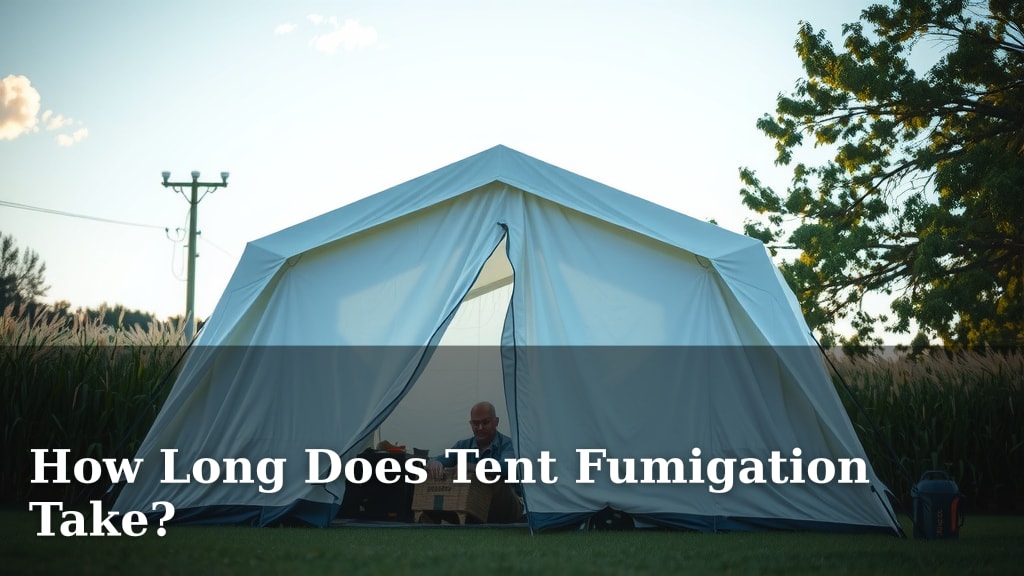
How Long Does Tent Fumigation Take?
Tent fumigation typically takes around 24 to 72 hours from start to finish, including preparation, treatment, and airing out your home. This entire process is designed to ensure your home is completely pest-free and safe for re-entry.
While the actual fumigation gas is in your home for a shorter period, the full timeline accounts for important safety steps. This includes ensuring proper ventilation, which is a critical part of the process. Getting rid of stubborn pests often requires this thorough approach.
- Total time: 1-3 days
- Preparation: Usually takes a few hours.
- Fumigation treatment: 12-48 hours.
- Venting/Clearing: At least 12-24 hours.
- Safety first: Always wait for the all-clear.
Let’s walk through the typical timeline and what you can expect during the tent fumigation process for your home.
“`htmlUnderstanding the Tent Fumigation Timeline
So, you’re wondering how long this whole tent fumigation process will take. It’s a fair question! While the gas is doing its work for a shorter period, the entire job, from preparation to moving back in, is usually a 1 to 3-day affair. This timeline accounts for critical safety steps that ensure your home is pest-free and, most importantly, safe for you and your family to return.
Breaking Down the Fumigation Process Stages
Let’s break down what happens during those days. Each stage is designed to be thorough and safe. Think of it like a well-orchestrated plan to get rid of those unwanted guests.
Stage 1: Preparation is Key
Before the fumigators even bring out the tents, there’s significant prep work. This stage is all about making sure the treatment is effective and that your belongings are protected. Your pest control company will provide a detailed checklist. You’ll likely need to:
- Pack up food, medications, toiletries, and anything else that can’t be exposed to the gas.
- Remove plants, pets, and anything else alive from the home.
- Cover or remove smoke detectors and pilot lights.
- Turn off main gas lines and electrical appliances.
This preparation usually takes a few hours on the day before or the morning of the fumigation. It’s a vital step, and doing it correctly makes the rest of the process smoother. We know it can feel like a lot, but think of it as getting everything ready for a deep clean!
Stage 2: The Tent Goes Up and the Gas Is Applied
This is the part most people envision. Large tents are placed over your entire home. This containment is crucial for the fumigant to work effectively. It ensures the gas reaches every nook and cranny where pests might be hiding. Specialists then carefully introduce the fumigant gas. The actual time the gas remains inside your home can vary. Most commonly, it’s between 12 and 48 hours. This duration depends on factors like the type of pest being targeted, the size of your home, and weather conditions. Some stubborn infestations might require a longer exposure time.
Stage 3: Venting and Clearing the Gas
Once the fumigation period is over, the next critical step is venting. This is where safety really comes into play. The tents are removed, and the home is aired out. This process can take a significant amount of time. It’s not just about opening a few windows. Professional equipment is often used to help circulate air and clear the fumigant. This phase typically lasts at least 12 to 24 hours. During this time, the home is not safe for re-entry. Professionals will use specialized equipment to test the air inside. They’ll want to ensure the fumigant levels have dropped below safety thresholds. Many guidelines, including those from pest control associations, stress the importance of this thorough airing out. It ensures the air in your home is safe for you, your family, and your pets (CDC).
Factors Influencing Fumigation Duration
While we’ve given you a general timeline, a few things can nudge the clock either way. It’s good to be aware of them so you can plan accordingly.
Home Size and Structure
A larger home will naturally take longer to tent and ventilate than a smaller one. Complex structures with many rooms or tight spaces might also require more time for the fumigant to penetrate fully. Think of it like trying to fill a mansion versus a studio apartment with air – it’s going to take longer for the mansion.
Type of Pests
Different pests require different treatment durations. For instance, termite fumigation might have a slightly different gas exposure time than one for bed bugs. Your pest control professional will determine the appropriate treatment length based on the specific pest issue you’re facing. They’ve done the research and know what works best!
Weather Conditions
Believe it or not, the weather plays a role. High winds can make tenting difficult and can sometimes affect how quickly the fumigant dissipates. Extreme temperatures might also influence the gas’s effectiveness and the required airing time. Professionals monitor these conditions closely for safety and efficacy.
What to Expect on Re-Entry Day
The day you can finally return to your home is exciting! But there’s still one final check to be done. Your pest control team will conduct final air quality tests. They use special equipment to measure the fumigant concentration. Once they confirm that the levels are well below the safe re-entry limits, they will give you the all-clear. They’ll also remove the warning signs from your property. It’s a good idea to do a walk-through of your home yourself. Open windows and doors for a bit longer if you feel it’s necessary. This extra airing can help dissipate any lingering odors, though they usually fade quickly.
Can You Speed Up Tent Fumigation?
Honestly, trying to rush the process isn’t advisable. The timeline is set for a reason: effectiveness and safety. Tampering with the schedule could mean the pests aren’t fully eradicated, or worse, that the home isn’t safe for you to return to. Your pest control company is trained to follow established protocols. They’ve found that sticking to these procedures yields the best results. It’s better to wait a little longer for peace of mind and a truly pest-free home.
Checklist: Preparing for a Smooth Fumigation
Here’s a quick rundown to help you prepare for the fumigation days:
- Follow your pest control company’s preparation checklist precisely.
- Plan for temporary accommodation during the fumigation and venting periods.
- Arrange for pet care outside your home.
- Secure all food items in sealed containers or remove them.
- Confirm re-entry time with your pest control operator.
- Have a plan for what to do immediately after you return home.
Conclusion
You’ve learned that tent fumigation is a multi-day process, typically lasting 1 to 3 days. This timeline includes essential preparation, the fumigation treatment itself, and crucial airing-out periods to ensure your home is safe. While the gas is active for a shorter duration, rushing these steps compromises both pest eradication and safety. Always rely on your pest control professional for the exact schedule and the final all-clear. Following their guidance means you’ll soon be back in a truly pest-free and safe home. Plan accordingly, pack what you need, and prepare for a safe return.
Frequently Asked Questions
How long do I need to stay out of my house during fumigation?
You will need to stay out of your home for the entire fumigation and venting period, which usually lasts between 24 to 72 hours. Your pest control company will provide a specific re-entry time based on their tests.
Can I do any of the preparation steps myself to shorten the time?
Your pest control company will give you a detailed preparation checklist. While you perform most of the prep, the actual fumigation and venting durations are set by the gas treatment and safety protocols. These cannot be sped up.
What if the fumigation takes longer than expected?
Factors like home size, pest type, and weather can sometimes extend the fumigation or venting time. Your pest control professional will keep you informed if there are any changes to the schedule and the reasons why.
Will I smell the fumigant gas after I return home?
You might notice a faint odor initially, but it should dissipate quickly. Professionals conduct air quality tests to ensure levels are safe before allowing re-entry. If you are sensitive, airing out your home for a bit longer after returning can help.
Is tent fumigation the fastest way to get rid of pests?
Tent fumigation is highly effective for widespread infestations but not necessarily the fastest overall process. For localized pest issues, other treatment methods might be quicker, but fumigation ensures comprehensive eradication for tough problems.

![7 Best Affordable Roof Top Tent [2026]](https://leonardhomeoutdoor.com/wp-content/uploads/2026/06/7-best-affordable-roof-top-tent-2026-featured-768x432.jpg)
![7 Best Buy Tents [2026]](https://leonardhomeoutdoor.com/wp-content/uploads/2026/08/7-best-buy-tents-2026-featured-768x432.jpg)