
Coleman vs Kelty Tents: Which is Right for You
When choosing between a Coleman and a Kelty tent, the best choice depends on your camping style. Generally, Coleman tents are known for their affordability and ease of setup, making them great for casual campers. Kelty tents often offer superior durability and weather resistance, appealing to more serious backpackers and families who need them for rugged adventures.
We found that both brands have a long history in the outdoor gear market. Coleman is a household name for family camping gear. Kelty has a reputation for creating reliable, user-friendly equipment. Understanding the core differences will help you pick the right shelter for your next trip.
- Coleman excels in budget-friendly, easy-pitch tents for fair-weather camping.
- Kelty offers more robust, weather-resistant tents for varied conditions.
- Consider your typical camping environment and frequency.
- Both brands provide good value for their respective price points.
Let’s break down exactly what makes each brand stand out so you can make the perfect choice for your adventures.
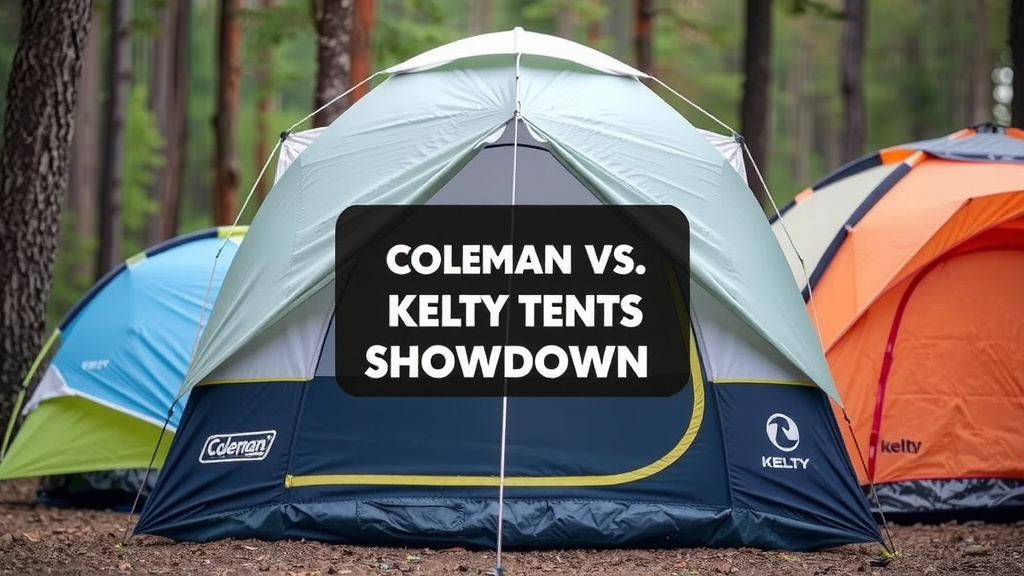
Choosing Your Next Tent: Coleman vs. Kelty Showdown
When you’re heading out for an adventure, your tent is your home away from home. You want it to be comfortable, reliable, and just right for your needs. We’ve looked at two popular brands, Coleman and Kelty, to help you decide. Think of it like choosing between a trusty sedan and a capable SUV. Both get you there, but they excel in different situations.
Coleman has been around forever, and they’re known for making camping accessible. Their tents are often budget-friendly and super easy to set up. This makes them a fantastic choice if you’re just starting out or enjoy weekend trips in good weather. On the other hand, Kelty has built a solid reputation for gear that’s a bit more rugged and dependable. They often cater to campers who face more unpredictable conditions or need something that lasts for years.
Coleman: The Go-To for Easy Camping
If your idea of camping involves sunny skies, mild temperatures, and quick setup, Coleman might be your perfect match. They really shine when it comes to **user-friendliness and affordability**. Many campers find that a Coleman tent is their first introduction to the joys of sleeping under the stars without breaking the bank.
Ease of Setup: Pitch Perfect Every Time
One of the biggest draws of Coleman tents is how **simple they are to pitch**. You’ll often find color-coded poles and clips that just snap together. We found that many models can be set up in under 10 minutes, even if you’re doing it for the first time. This means less time wrestling with fabric and poles, and more time enjoying your campsite. It’s like building with LEGOs, but bigger and for outside!
Budget-Friendly Options: More Green for Your Green
Let’s talk about cost. Coleman tents are generally more affordable than many other brands. This is a huge plus for families on a budget or anyone who doesn’t camp every weekend. You can get a good quality tent for casual use without spending a fortune. This lets you **invest in other gear** or simply save money for more adventures.
Best For: Casual Campers and Backyard Fun
Who benefits most from a Coleman tent? We found they’re ideal for:
- Weekend campers who stick to established campgrounds.
- Families with young children who need a simple, reliable shelter.
- Anyone looking for an easy-to-use tent for occasional use.
- Those who prioritize quick setup over extreme weather protection.
- Backyard campers wanting to test out the tent life.
Kelty: Built for the Trail and Beyond
Now, let’s shift our focus to Kelty. This brand often appeals to campers who demand a bit more from their gear. Kelty tents are typically known for their **durability, better weather resistance, and thoughtful features** designed for more serious outdoor enthusiasts. They aim to be a reliable partner on more challenging adventures.
Durability and Materials: Ready for Anything
When we research Kelty tents, we consistently see a focus on stronger materials. They often use **higher denier fabrics** and sturdier poles. This means your tent is more likely to withstand rougher use, wind, and rain. Think of it like upgrading from a regular car to something with more suspension and all-wheel drive – it’s built to handle more.
Weather Resistance: Keeping You Dry and Cozy
Kelty tents generally offer **superior protection against the elements**. You’ll often find better seam sealing, stronger rainfly coverage, and designs that are more aerodynamic to handle wind. If you plan on camping in areas where weather can change quickly or during seasons with more precipitation, this is a critical advantage. Many experts agree that good weather resistance can make or break a camping trip (National Outdoor Leadership School).
Features for the Serious Camper
Beyond basic shelter, Kelty tents often come with features that campers appreciate. This might include more vestibule space for gear storage, better ventilation options to reduce condensation, and **more robust zippers and poles**. These details might seem small, but they add up to a more comfortable and convenient camping experience, especially on longer trips.
Best For: Adventurous Families and Backpackers
Kelty tents tend to be the preferred choice for:
- Families who camp frequently and need a long-lasting tent.
- Backpackers who require a balance of weight, durability, and weather protection.
- Campers who venture into more remote areas or face unpredictable weather.
- Those who are willing to invest a bit more for increased performance and longevity.
- Anyone who values robust construction and excellent weatherproofing.
Comparing Key Features: A Quick Glance
To help you visualize the differences, let’s lay out some key areas where these brands often diverge. It’s not always black and white, as both brands have various models, but these are general tendencies we’ve observed.
| Feature | Coleman (Typical) | Kelty (Typical) |
|---|---|---|
| Price Point | More Affordable | Mid-to-Higher Range |
| Ease of Setup | Very Easy, Fast | Moderately Easy, Some Learning Curve |
| Durability | Good for Casual Use | Higher, Built for Ruggedness |
| Weather Resistance | Basic to Moderate | Good to Excellent |
| Weight | Can be Heavier (Family Models) | Often Lighter (Backpacking Models) |
| Features | Basic, Functional | More Advanced, Thoughtful Details |
Making Your Decision: What’s Your Camping Style?
So, how do you pick? It really boils down to answering a few questions about yourself and your camping habits. Think about where you typically camp and what kind of trips you plan. Are you more of a fair-weather cruiser or an all-conditions explorer?
Consider Your Typical Environment
If you usually camp in established campgrounds during the summer months, a **Coleman tent** will likely serve you very well. They are designed for comfort and ease in those conditions. However, if your plans include mountain trips, coastal areas, or camping in spring and fall when rain and wind are more common, the **added protection of a Kelty tent** might be a wiser investment.
Think About Frequency and Longevity
How often do you plan to use your tent? For someone who camps a few times a year, a more budget-friendly option is perfectly sensible. But if you’re an avid camper, hitting the trails or campsites dozens of times a year, you’ll want something built to last. Kelty’s focus on durable materials often means their tents have a **longer lifespan** for heavy users.
Your Personal Camping Checklist
To help you nail down your decision, ask yourself these quick questions:
- Do I prioritize quick and easy setup above all else?
- Am I often camping in potentially bad weather (wind, rain)?
- What’s my budget for a tent?
- How many nights a year do I expect to camp?
- Do I need a tent that’s super lightweight for backpacking?
- How important is long-term durability for me?
Conclusion
You’ve learned that your ideal tent depends on how you camp. For simple, budget-friendly trips, Coleman offers quick setup and great value. If your adventures call for more durability and weather resistance, Kelty is your reliable choice. We’ve seen that both brands have strengths that cater to different campers. Consider your typical environment, how often you’ll use it, and what features matter most to you. Now that you know the differences, you can confidently choose the tent that will make your next outdoor experience comfortable and secure.
Frequently Asked Questions
Are Coleman tents good for rain?
Coleman tents are generally designed for fair weather camping. While many models offer basic water resistance, they may not perform as well in heavy or prolonged rain compared to tents specifically built for adverse conditions. You’ll want to check individual model specifications for their water-resistance ratings.
How long do Kelty tents typically last?
Kelty tents are known for their durability, so with proper care, many campers find they last for many years, often a decade or more. Their focus on quality materials and construction means they can withstand frequent use and various weather conditions better than more budget-oriented options.
Which brand is better for car camping with a family?
For car camping with a family, Coleman often shines due to its ease of setup and lower price point, making it accessible for occasional trips. However, if your family camps frequently or in varied weather, a more robust Kelty tent might offer better longevity and protection.
Can I use a Coleman tent for backpacking?
While some very lightweight Coleman models might be suitable for short, casual backpacking trips, they are generally heavier and less packable than dedicated backpacking tents. Kelty often offers better options for backpackers, balancing weight, packability, and durability.
Is it worth spending more on a Kelty tent if I’m a beginner camper?
If you’re a beginner camper who plans to camp often, enjoys the outdoors in varied conditions, or wants a tent that will last for many seasons, investing in a Kelty might be worthwhile. For those who camp only a few times a year in mild weather, a more affordable Coleman tent can be a perfectly good starting point.

![7 Best Freestanding Ultralight Tent [2026]](https://leonardhomeoutdoor.com/wp-content/uploads/2026/08/7-best-freestanding-ultralight-tent-2026-featured-768x432.jpg)

![7 Best Affordable Tents For Camping [2026]](https://leonardhomeoutdoor.com/wp-content/uploads/2026/08/7-best-affordable-tents-for-camping-2026-featured-768x432.jpg)
![7 Best Car Roof Tents [2026]](https://leonardhomeoutdoor.com/wp-content/uploads/2026/08/7-best-car-roof-tents-2026-featured-768x432.jpg)