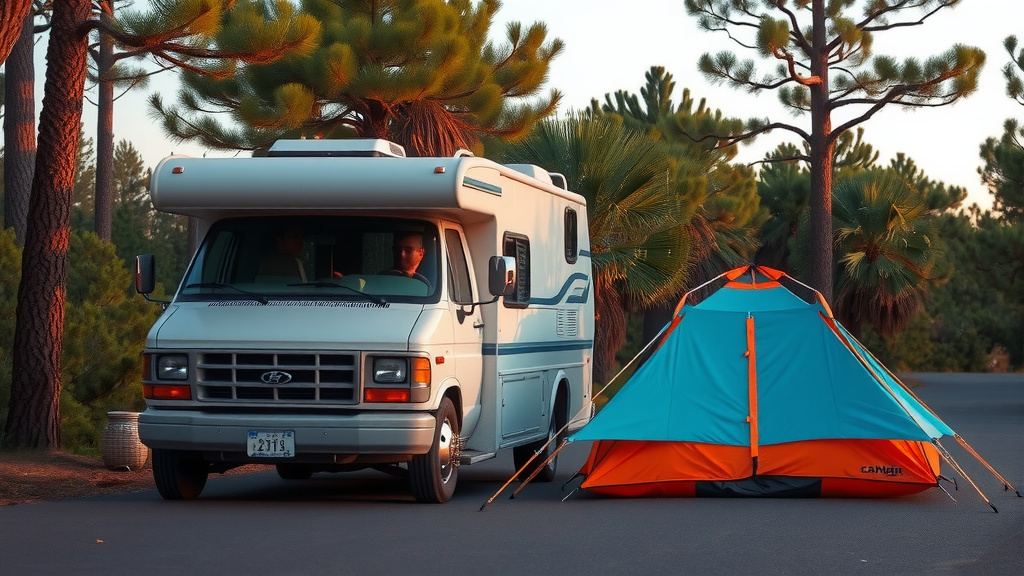
RV vs Tent Camping: Which is Right for Your Adventure
Deciding between an RV and tent camping depends entirely on your comfort level and desired experience. For those seeking convenience and amenities, an RV offers a more comfortable, home-like stay. Tent camping, on the other hand, provides a closer connection to nature and a more adventurous, budget-friendly option.
Both RVs and tents allow you to escape the everyday. Your choice impacts everything from packing lists to daily routines. We found that understanding these key differences helps you pick the perfect camping style for your next trip. Think about what makes your outdoor adventure truly enjoyable.
- RVs offer comfort and amenities like beds and kitchens.
- Tent camping is more budget-friendly and closer to nature.
- Your choice impacts packing and daily activities.
- Consider your personal comfort and adventure style.
Let’s walk through the pros and cons of each to help you make the best decision for your getaway.
“`htmlChoosing Your Adventure: RV Living vs. Tent Camping
So, you’re ready for an outdoor escape! But the big question looms: RV or tent? We found that this choice really sets the tone for your entire trip. Think of it like choosing between a cozy hotel room and a rustic cabin. Both get you out of the house, but they offer vastly different experiences.
The Comforts of an RV: Your Home on Wheels
An RV, or recreational vehicle, is essentially a motorized house. It comes with all the basics: beds, a kitchen, and a bathroom. You get your own private space, no matter where you park it. This means you don’t have to pack a portable stove or worry about finding a clean public restroom.
Research shows that RV travel appeals to those who want convenience and familiarity on the road. You can bring more gear, cook full meals, and sleep in your own comfortable bed. It’s like bringing your living room and bedroom with you. Many RVers find this makes longer trips or traveling with families much easier.
RV Amenities: What to Expect
Most RVs include a kitchen area with a refrigerator, stove, and microwave. You’ll also find a dedicated sleeping area, often with a queen-sized bed. The convenience of a private bathroom with a toilet and shower is a major draw for many. You’ll have access to electricity and running water, similar to your home.
Think about it: no more fumbling with tent poles in the dark or waking up on bumpy ground. You have climate control too, keeping you cool in summer and warm in winter. This level of comfort is why many people opt for an RV adventure, especially when they’re new to camping or have specific needs.
RV Travel Pros and Cons
The biggest advantage of RV camping is the comfort and convenience. You can travel to many locations without constantly setting up and taking down camp. Packing is simpler because you have ample storage space. It’s also a great option for people with mobility issues or those who don’t enjoy roughing it.
However, RVs come with their own set of challenges. They can be expensive to purchase and maintain. Fuel costs can add up quickly, and finding a place to park an RV, especially in busy areas, can be tricky. You’ll also need to learn about managing waste tanks and hookups, which is a learning curve for new RV owners.
The Soul of Tent Camping: Getting Back to Basics
Tent camping is the classic outdoor experience. You set up a temporary shelter—your tent—and immerse yourself in nature. It’s about simplicity, adventure, and a closer connection to the natural world.
We found that tent camping offers a unique sense of accomplishment. There’s a special feeling when you’ve successfully pitched your tent and built a campfire. It forces you to rely on fewer comforts, which many find incredibly liberating. It’s a chance to disconnect from technology and reconnect with yourself and your surroundings.
Tent Camping Essentials
Your packing list for tent camping is more focused. You’ll need a tent, sleeping bags, sleeping pads, and cooking gear like a portable stove and pots. Essentials also include a flashlight, bug spray, and comfortable hiking shoes. The goal is to pack light but smart.
Think of it as a minimalist approach to travel. Every item serves a purpose. This pared-down lifestyle can be incredibly refreshing. You learn to appreciate the little things, like a warm cup of coffee brewed over a campfire or the sound of crickets at night.
Tent Camping Pros and Cons
The primary benefit of tent camping is its affordability. Tents and basic gear are much less expensive than an RV. Campsite fees are generally lower, too. It’s an accessible way to enjoy the outdoors without a significant financial investment. You can often find tent-friendly spots in more remote or rustic locations.
The main drawback is the lack of amenities and comfort. You’ll be exposed to the elements more directly. Weather can quickly turn a pleasant trip into a challenging one. Setting up and taking down camp takes time and effort. You also need to be more mindful of wildlife and local regulations for fires and food storage.
Key Differences Summarized
To help you visualize the distinctions, let’s look at a quick comparison. This can guide your decision-making process.
| Feature | RV Camping | Tent Camping |
|---|---|---|
| Cost | High initial investment, higher ongoing costs | Low initial investment, low ongoing costs |
| Comfort Level | High (beds, kitchen, bathroom, climate control) | Low (basic shelter, requires more effort for comfort) |
| Amenities | Full hookups (water, electric, sewer), indoor facilities | Basic or none (rely on nature and portable gear) |
| Setup/Teardown | Minimal, especially for drivable RVs | Requires time and physical effort |
| Nature Connection | More removed, often in RV parks | Direct immersion, can access more remote areas |
| Packing | More extensive, similar to home | Light and essential, focused on portability |
Making Your Choice: What Matters Most to You?
Ultimately, the best choice depends on your priorities. Are you looking for a stress-free escape with all the conveniences of home? An RV might be your perfect match. Do you crave a raw, adventurous experience and want to feel truly unplugged?
Consider the people you’re traveling with. Families with young children might find the ease of an RV more manageable. Solo travelers or couples seeking a deeper connection with nature might prefer the simplicity of a tent. We found that asking yourself these questions helps clarify your needs.
Your Camping Checklist for Decision Making
Before you book anything or pack a single bag, run through this quick checklist:
- How much comfort do you absolutely need?
- What’s your budget for this trip (gear and travel)?
- How much time do you want to spend setting up camp?
- Are you traveling with kids or pets?
- How important is being truly “off the grid” to you?
- What’s the typical weather like where you want to go?
Your answers will point you toward the right style of camping. Both RV and tent adventures offer incredible ways to explore the great outdoors. It’s just about finding the one that fits your personal adventure DNA.
“`
Conclusion
You’ve seen how RV and tent camping offer distinct ways to experience the great outdoors. Your choice boils down to what truly matters for your adventure. Do you prioritize home-like comforts and convenience, making an RV your go-to? Or does the call of simplicity, a deeper connection with nature, and budget-friendliness draw you to tent camping? We found that reflecting on your comfort needs, budget, and desired level of immersion will guide you. So, review that checklist, consider your travel companions, and decide which path lets you best enjoy your next escape. Your perfect camping trip awaits!
Frequently Asked Questions
What’s the biggest cost difference between RV and tent camping?
The most substantial cost difference lies in the initial investment. RVs require a significant purchase price and ongoing maintenance, while a basic tent and camping gear are much more affordable. Campsite fees can also be higher for RVs, especially in popular parks.
Is RV camping easier for beginners than tent camping?
For some, yes. RVs offer immediate shelter, climate control, and bathroom facilities, which can be less intimidating for those new to the outdoors. However, managing an RV, including hookups and waste tanks, presents its own learning curve that tent camping doesn’t involve.
Can you still connect with nature if you camp in an RV?
Absolutely. While RVs provide a buffer, you can still choose campsites in beautiful natural settings, hike, and enjoy campfires. Many RVers park their vehicles and then spend their days exploring the surrounding wilderness, just as a tent camper would.
What if I’m on a tight budget? Which is better?
Tent camping is almost always the more budget-friendly option. The low cost of gear and generally cheaper campsite fees make it accessible for those watching their spending. You can achieve a fantastic outdoor experience without a large financial outlay.
How does the setup and teardown process differ?
Setting up and taking down a tent requires manual effort, including pitching poles and securing stakes, which can take time. RVs, especially drivable ones, often require minimal setup, perhaps just leveling the vehicle and connecting utilities, making them quicker to get settled.
![7 Best Tent For 6 People [2026]](https://leonardhomeoutdoor.com/wp-content/uploads/2026/09/7-best-tent-for-6-people-2026-featured-768x432.jpg)
![7 Person Instant Tent [2026]](https://leonardhomeoutdoor.com/wp-content/uploads/2026/08/7-person-instant-tent-2026-featured-768x432.jpg)