
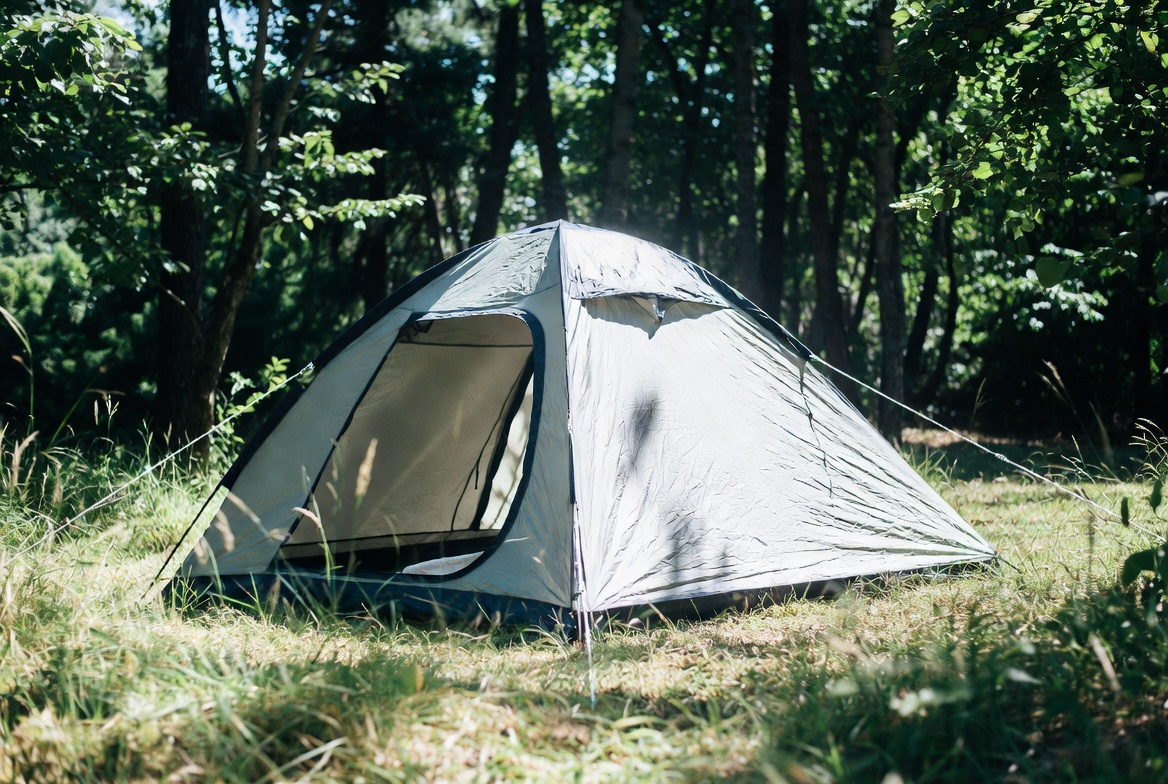
Popup Camper vs Tent: Making the Right Choice for Family Camping
When you’re standing in your garage trying to figure out how to spend your next vacation, you’re probably facing the same dilemma that thousands of families confront every summer: should you invest in a popup camper or stick with the traditional tent camping experience? It’s not exactly an easy decision, and honestly, there’s no one-size-fits-all answer. But don’t worry—I’m going to walk you through everything you need to consider so you can make the choice that’s right for your family.
Think of this comparison as choosing between a cozy bed and breakfast versus roughing it in a cabin with no amenities. Both have their charm, but they cater to different types of adventurers. Let’s dig into what makes each option unique and help you figure out which one aligns with your camping goals.
Understanding What a Popup Camper Really Is
A popup camper, also known as a folding camper or pop-up trailer, is essentially a hybrid between a tent and a full-size RV. Picture it like this: it’s towed behind your vehicle, but when you arrive at your campsite, the roof expands upward like a giant pop-up book, revealing a surprisingly spacious interior. These units are typically lightweight, making them easier to tow than larger RVs, yet they provide genuine shelter with actual beds, cooking facilities, and storage.
Most popup campers feature:
- Canvas or vinyl walls that expand when set up
- Built-in sleeping areas with real mattresses
- A small kitchenette with a stove and sink
- Electrical systems and sometimes plumbing
- Heating and cooling options
- Storage compartments and cabinets
The beauty of these campers is that they collapse back down for towing, so you’re not dealing with the bulky profile of a traditional travel trailer when you’re driving to the campground.
The Traditional Tent: Timeless Camping at Its Core
Tents, on the other hand, are the OG of camping. They’re literally a fabric structure that keeps the elements at bay while you sleep under the stars. Modern tents have come a long way from their primitive ancestors, featuring advanced waterproofing, ventilation systems, and designs that can accommodate entire families comfortably.
A quality tent typically includes:
- Multiple rooms or compartments
- Weather-resistant materials and sealing
- Good ventilation to prevent condensation
- Easy setup and takedown
- Lightweight and packable design
- Various sizes for different group sizes
The tent remains the go-to choice for purists and those who want to embrace the authentic camping experience without any modern conveniences getting in the way.
Cost Comparison: What Will Your Wallet Tell You?
Initial Investment
Let’s talk money, because that’s usually the first question people ask. A decent family tent will run you anywhere from $200 to $800, depending on quality and size. Some premium options can push toward $1,500, but you’re getting exceptional durability and features.
Popup campers, however, are a completely different financial beast. You’re looking at anywhere from $8,000 for a basic used model to $25,000 or more for a new, well-equipped unit. This is a significant investment, and it’s something you’ll need to budget carefully for.
Long-Term Ownership Costs
Here’s where it gets interesting. While a tent requires minimal ongoing costs—just occasional repairs or replacement after years of use—a popup camper comes with several recurring expenses:
- Registration and licensing fees
- Insurance premiums
- Maintenance and repairs
- Winterization costs if you live in cold climates
- Storage fees if you don’t have space at home
- Potential towing vehicle upgrades
Over ten years, a popup camper could easily cost you $3,000 to $5,000 in maintenance and related expenses, while a tent might only need a $100 to $300 refresh.
Comfort and Amenities: How Much Luxury Do You Need?
Sleeping Arrangements
In a popup camper, you’re sleeping on actual beds with real mattresses. Your kids won’t wake up with complaints about being uncomfortable on the ground, and honestly, you probably won’t either. The beds are elevated, so you’re not dealing with moisture from the ground seeping through.
With a tent, you’re on air mattresses, sleeping bags, or camp cots. This can be perfectly fine, and many people actually prefer the rustic feel, but it’s definitely different. Are your kids the type who’ll complain about a lumpy mattress at 2 AM? That’s something to consider.
Kitchen and Cooking
A popup camper gives you a functioning kitchen. You can make actual meals, store food properly in a fridge, and prepare breakfast without relying entirely on a campfire or portable camping stove. For families with picky eaters or dietary restrictions, this is genuinely valuable.
Tent camping usually means cooking on a camp stove or over a fire. You’ll need to bring coolers, manage food storage to prevent wildlife encounters, and deal with washing dishes in a bucket. If you love the simplicity of this, it’s part of the charm. If you dread it, you might resent every meal.
Bathroom and Shower Facilities
Most popup campers have either a cassette toilet or access to hookups at campgrounds for full plumbing. Some have shower capabilities. This is a game-changer if your family includes young children or elderly relatives who need reliable bathroom access.
Tent camping means using the campground’s communal facilities, which can be anywhere from pristine and nearby to questionable and a half-mile away. For some people, this is part of the adventure. For others, it’s a dealbreaker.
Setup and Breakdown: Time Matters
Getting a Popup Camper Ready
Setting up a popup camper typically takes 10 to 20 minutes. You position it, crank the roof up, connect some electrical lines, extend the awning, and boom—you’re ready to relax. Breaking down is equally straightforward, making short weekend trips much more feasible.
Tent Setup Reality Check
A family tent can take anywhere from 20 minutes to an hour depending on its complexity and whether you’ve practiced before. Breaking down involves stuffing everything back into a compressed bag, which can feel like solving a puzzle. For one-night stands or frequent moves, this adds up time-wise.
If you’re planning multiple short trips rather than one long camping vacation, the popup camper’s efficiency really shines.
Weather Protection: Staying Dry and Warm
Modern tents are remarkably weather-resistant. A quality tent with proper rainfly and sealed seams will keep you dry in most conditions. The canvas or polyester materials breathe well, reducing condensation issues.
Popup campers, with their vinyl or canvas walls and solid frames, offer different weather protection. The walls are heavier and more durable, and the higher profile means better ventilation. However, the fabric walls are still subject to wear and can develop leaks over time, especially if the canvas isn’t properly maintained.
Here’s the real consideration: if you’re camping in unpredictable weather, a popup camper’s solid structure and heating options might make you significantly more comfortable. In pleasant conditions, both will keep you perfectly dry.
Storage and Transportation Logistics
What About Your Vehicle?
A tent fits in a closet when you’re not using it. A popup camper needs either a driveway, storage unit, or garage space. If you live in an apartment or have limited property, this becomes a genuine obstacle.
Transportation-wise, a tent goes in your car alongside your gear. A popup camper needs to be towed, which means you need a vehicle with adequate towing capacity. This might mean upgrading your car, truck, or SUV, which adds another $5,000 to $15,000 to your overall investment.
Gear and Equipment Considerations
Tent camping requires you to pack a lot of separate items: sleeping bags, pillows, cooking equipment, coolers, lanterns, and more. A popup camper consolidates much of this because it has storage built in and some amenities included.
However, popup campers still need maintenance gear: water hookup supplies, electrical adapters, leveling blocks, and tools for repairs. You’re trading volume for complexity.
The Social and Experiential Aspect
Community and Campground Culture
Tent camping creates a different social dynamic. Your campsite is more open and visible, making it easier to chat with neighbors. There’s something about gathering around a campfire that creates connections. You’re all roughing it together, and that shared experience bonds people.
Popup camper camping can feel more isolated. You’re set up at your own space with your own awning, and you might spend more time inside your unit than exploring the campground community. That said, many RV and popup camper enthusiasts form tight-knit communities and attend rallies together.
Nature Connection and Simplicity
There’s genuine value in tent camping’s simplicity. You hear the sounds of nature, feel the breeze, and experience the elements in a way that popup campers insulate you from. For families wanting to disconnect from screens and reconnect with the outdoors, tents offer a purer experience.
Popup campers, with their electricity, often come with the temptation to plug in devices, watch TV, or stay inside during downtime. They can feel like a home away from home rather than an outdoor adventure.
Suitability for Different Family Types
Young Children and Popup Campers
Families with toddlers and young children often find popup campers invaluable. Real bathrooms, heating for cold nights, and secure enclosed spaces give peace of mind. If your kid has special needs or anxiety about roughing it, a camper can make camping accessible and enjoyable for everyone.
Teenagers and Tent Adventures
Teenagers often thrive with tent camping. It feels more adventurous and less like “mom’s trying to make us spend time together.” The simplicity appeals to their sense of independence and adventure-seeking. Plus, they can stay up late talking with friends around a campfire.
Multi-Generational Camping
If you’re camping with aging parents or grandparents, a popup camper becomes much more attractive. Comfortable beds, accessible bathrooms, and climate control make it feasible for people who might otherwise skip camping entirely.
Maintenance and Durability Over Time
Tent Longevity
A quality tent can last 10 to 20 years with proper care. Your main concerns are UV damage to the fabric and potential seal failures. Storage in a dry location extends life significantly. Maintenance is minimal: occasional cleaning and resealing.
Popup Camper Maintenance Realities
Popup campers are more complex machines with more potential failure points. Canvas needs regular inspection for mold, mildew, and UV damage. Seals around windows and the roof seal can fail. Mechanical components like the crank system or hydraulic lifts can wear out. The mattresses might need replacement. Plumbing systems need winterization in cold climates.
With diligent care, a popup camper can last 15 to 25 years, but you’ll definitely be putting in more effort and money to maintain it.
Environmental Considerations
Tent camping has a smaller environmental footprint. You’re using minimal resources, creating no emissions during use, and the equipment itself is small and transportable.
Popup campers require fuel for towing, which increases your carbon footprint. They also use electricity, water, and potentially propane for heating and cooking. Over multiple camping trips, the environmental impact adds up. That said, they do reduce reliance on campfire use, which can be beneficial for fire-sensitive ecosystems.
Making Your Decision: Questions to Ask Yourself
Before you commit to either option, consider these practical questions:
- How often do you realistically camp per year?
- What’s your total budget including all costs?
- Do you have storage space for a popup camper?
- Does your vehicle have towing capacity, or would you need to upgrade?
- How important are comfort amenities to your family members?
- Are there family members with special needs or physical limitations?
- How many people will typically be camping?
- What types of weather will you encounter?
- Are you seeking adventure or comfort?
- How long do you typically camp (weekend trips vs. week-long adventures)?
Hybrid Approaches: Have Your Cake and Eat It Too
Here’s something to consider: you don’t have to choose just one forever. Some families start with a tent, use it for a few years, then upgrade to a popup camper as their camping frequency increases and their comfort preferences evolve. Others do the opposite, starting with a camper and eventually appreciating the simplicity of tents.
You could also explore renting a popup camper for a trip or two before buying. This gives you real-world experience and helps you make an informed decision without the full financial commitment.
The Practical Middle Ground
Some families maintain both options. They use a tent for simple nearby trips where setup time doesn’t matter and weather is predictable. They use a popup camper for longer distances, extended trips, or when bad weather is forecasted. This approach maximizes flexibility, though it requires storage space and capital for both investments.
Real-World Scenarios: Where Each Shines
Popup Camper Wins When:
- You’re camping with very young children or elderly family members
- You want to camp frequently without setup fatigue
- Weather conditions are unpredictable or harsh
- You’re taking longer multi-week trips
- Family members have bathroom accessibility needs
- You have adequate storage and towing capacity
Tent Camping Wins When:
- Budget is a primary concern
- You camp infrequently or for short trips
- You lack storage space for a camper
- Your vehicle isn’t suitable for towing
- You prioritize authentic nature connection
- Your family enjoys the adventure and simplicity aspects
Conclusion
The choice between a popup camper and a tent isn’t about which is objectively better—it’s about which matches your lifestyle, budget, and camping vision. A popup camper offers convenience, comfort, and reliability, making it ideal for families seeking accessible camping without sacrificing safety or comfort. A tent provides authentic outdoor experience, minimal financial investment, and a purer connection to nature, appealing to those who embrace simplicity.
The right choice depends
![7 Person Tents [2026]](https://leonardhomeoutdoor.com/wp-content/uploads/2026/08/7-person-tents-2026-featured-768x432.jpg)