How Heavy Should a Backpacking Tent Be?
So, how heavy should your backpacking tent be? Generally, you’re looking for a tent that weighs under 5 pounds, with many ultralight options coming in at under 3 pounds. The ideal weight really depends on your trip’s length and where you’re hiking.
Carrying extra weight uphill can be a real drag. We found that even a pound or two can make a big difference on longer treks. Finding the sweet spot between durability, space, and weight is key for a happy hike. Many backpackers prioritize a lighter load for comfort.
- Ultralight tents are usually under 3 lbs.
- A good general target is under 5 lbs.
- Consider your trip length and terrain.
- Weight impacts comfort on long hikes.
- Balance weight with tent durability and space.
Let’s break down the factors that influence your tent’s ideal weight so you can pick the best one for your adventures.
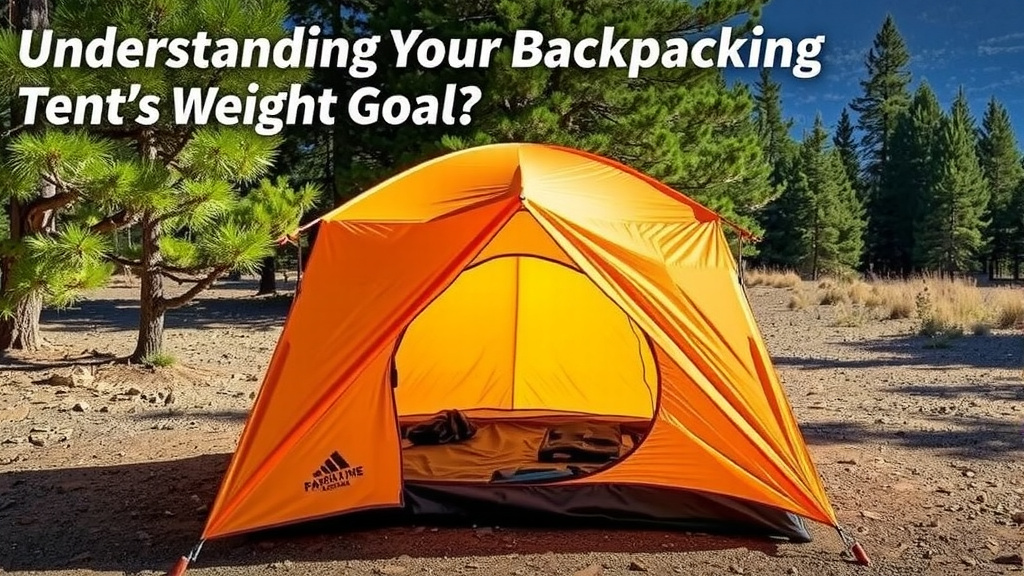
“`htmlUnderstanding Your Backpacking Tent’s Weight Goal
So, you’re wondering about the ideal weight for your backpacking tent. It’s a smart question to ask! We found that most backpackers aim for a tent that weighs under 5 pounds. Ultralight options often dip below the 3-pound mark. This sweet spot balances what you carry with how comfortable you’ll be on the trail.
Why Tent Weight Matters So Much
Carrying extra weight on your back can really wear you down. We’ve all heard stories (or lived them!) about wishing we’d packed lighter. Even a pound or two can make a huge difference on longer hikes or steep climbs. Think of it like this: every step you take, you’re lifting that tent. Over miles, that adds up!
Your tent is often one of the heaviest items in your pack. It includes poles, stakes, and the tent body itself. Finding the right balance between carrying comfort and having a tent that performs well is key. Many hikers prioritize a lighter load for overall enjoyment and endurance.
The “Big Three” Weight Factors
When backpackers talk about heavy gear, they often refer to the “Big Three”: your backpack, your sleeping bag, and your tent. Because these items are typically the bulkiest and heaviest, even small reductions in their weight can have a big impact. Your tent often falls into this category.
The Trade-Offs: Weight vs. Features
It’s true that lighter tents can sometimes mean fewer features or less robust materials. You might find ultralight tents with a slightly smaller living space or less forgiveness in strong winds. However, manufacturers are constantly innovating to create tents that are both lightweight and durable.
Factors Influencing Your Tent’s Ideal Weight
The “perfect” tent weight isn’t a one-size-fits-all answer. It truly depends on a few personal and trip-specific elements. Let’s explore what those are.
Trip Length and Difficulty
For short weekend trips, a tent weighing 4-5 pounds might be perfectly fine. You won’t be carrying it for as long. However, if you’re planning a week-long trek or a multi-day expedition, every ounce counts. Reducing weight becomes much more important for long-term comfort and energy conservation.
We found that backpackers undertaking longer, more strenuous hikes tend to invest more in ultralight gear. This includes their tents. The goal is to reduce overall pack weight to make the journey more manageable and enjoyable, especially when facing challenging terrain.
Seasonality and Weather Conditions
Are you hiking in the summer with guaranteed clear skies, or are you expecting rain, wind, or even snow? Tents designed for three-season use (spring, summer, fall) are typically lighter than four-season tents. Four-season tents need stronger poles and more robust fabrics to withstand harsh weather. This adds weight.
If your adventures often take you into unpredictable weather, you might need a slightly heavier tent that offers better storm protection. However, research shows that many modern ultralight tents are surprisingly capable in various conditions. It’s about finding the right design for your needs.
Number of People Using the Tent
A tent’s weight is usually listed as a “packed weight” or “trail weight.” The “packed weight” includes everything, while the “trail weight” often excludes things like stuff sacks. This weight is then divided among the people sharing the tent. For a solo hiker, a 3-pound tent is 3 pounds per person. For two people, that same 3-pound tent is only 1.5 pounds per person.
If you regularly hike with a partner or group, you can often afford to carry a slightly heavier tent because the weight is distributed. A 5-pound tent might feel like a burden for one person, but it’s just 2.5 pounds each for two hikers. This distribution makes a big difference in perceived weight.
Personal Fitness and Hiking Style
Let’s be honest, your own strength and endurance play a role. If you’re an experienced hiker who is accustomed to carrying heavier loads, you might tolerate a slightly heavier tent. Conversely, if you’re newer to backpacking or have physical limitations, minimizing weight is probably a top priority.
We found that many hikers focus on reducing weight in the “Big Three” to make their trips more accessible. This allows them to enjoy the outdoors longer and more frequently. It’s about making backpacking sustainable for your body and your goals.
Understanding Tent Weight Specifications
When you look at tent specs, you’ll often see a few different weight numbers. Knowing what they mean helps you compare tents accurately.
Trail Weight vs. Packed Weight
Trail weight is often considered the most practical number for backpackers. It’s the weight of the tent when it’s ready to go in your pack, minus non-essential items like extra stuff sacks or footprint (though many prefer to include the footprint for floor protection). It’s the weight you’ll actually be carrying.
Packed weight is the maximum weight, including everything that comes in the bag. This might include the tent, poles, stakes, guylines, stuff sacks, and any included footprint. It’s useful for understanding the total volume and weight of what you’re buying.
Minimum Weight
Some tents list a “minimum weight.” This typically refers to the weight of the tent, poles, and fly only. It’s the lightest possible configuration, often excluding stakes or guylines. While useful for the absolute lightest scenarios, it’s less practical for real-world backpacking conditions where stakes are essential.
Tips for Choosing Your Lightweight Tent
Finding that perfect weight balance can feel like a puzzle. Here are some tips to guide your decision:
- Assess your most common trips: Are they short weekend jaunts or longer expeditions?
- Consider your hiking companions: Will you be sharing the weight with others?
- Check the weather patterns: What kind of conditions do you typically encounter?
- Read reviews: See what other backpackers say about a tent’s real-world weight and performance.
- Prioritize: Decide what’s most important – absolute lightest weight, maximum space, or bulletproof durability?
Ultimately, the best weight for your backpacking tent is the one that allows you to comfortably enjoy your time in nature. Don’t be afraid to experiment and find what works best for your personal adventures!
“`Conclusion
Finding the right tent weight is about balancing your needs with your trip. We’ve seen that a target of under 5 pounds is a great starting point, with ultralights often under 3 pounds. Remember to consider how trip length, weather, who you’re hiking with, and your own fitness all play a role. Your ideal tent weight is the one that lets you comfortably reach your destination and enjoy the journey. Now, take what you’ve learned and start researching tents that fit your next adventure!
Frequently Asked Questions
What’s the difference between trail weight and packed weight for a tent?
Trail weight is the practical weight of your tent, ready for the pack, minus minor extras. Packed weight is the total weight of everything that comes in the tent bag, including all poles, stakes, and stuff sacks. For most backpackers, the trail weight is the most useful figure.
Is a 2-pound tent really that much lighter than a 4-pound tent?
Yes, a 2-pound difference is substantial for backpacking. Carrying 2 pounds less on every step, especially over long distances or inclines, can dramatically reduce fatigue. It’s a noticeable improvement in your overall pack load.
Should I get a lighter tent if I’m hiking solo?
Absolutely. When you’re the only one carrying the load, every ounce counts. A solo hiker benefits greatly from a lighter tent, as the entire weight rests on their shoulders. It makes the hike more enjoyable and sustainable.
Do lightweight tents offer less protection in bad weather?
Not always. While some ultralight tents prioritize minimal weight over heavy-duty materials, many modern designs offer excellent weather protection. Research specific models to ensure they meet your needs for wind and rain resistance, even at a lower weight.
Can I make my current tent lighter for backpacking?
You can often reduce your tent’s overall pack weight by leaving behind non-essential items like the original stuff sack and using lighter stakes. Some backpackers also choose to use a separate, lighter footprint instead of the one that might come with the tent.
![7 Best Affordable Roof Top Tent [2026]](https://leonardhomeoutdoor.com/wp-content/uploads/2026/06/7-best-affordable-roof-top-tent-2026-featured-768x432.jpg)
![7 Best Family Waterproof Tents [2026]](https://leonardhomeoutdoor.com/wp-content/uploads/2026/08/7-best-family-waterproof-tents-2026-featured-768x432.jpg)