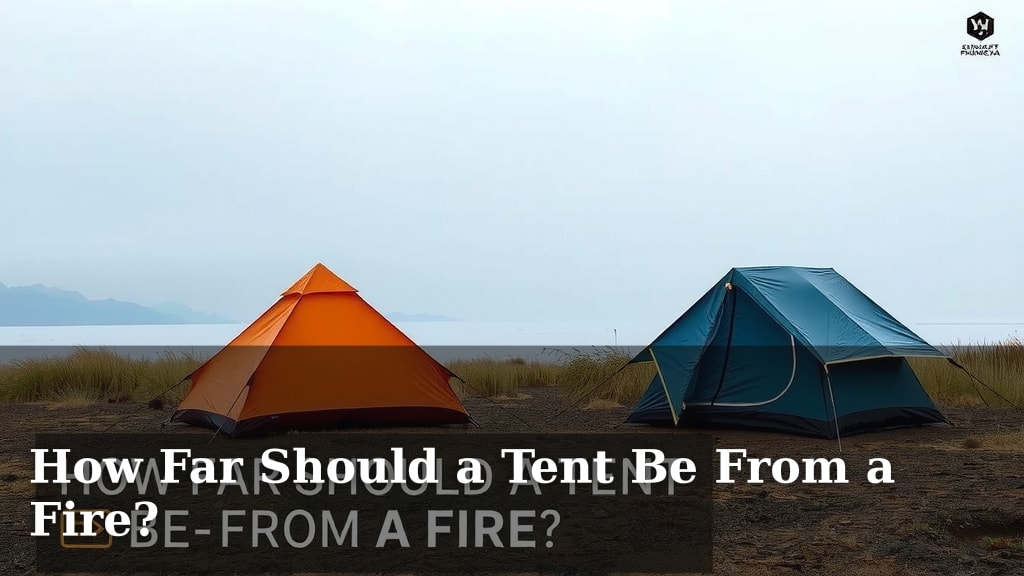
How Far Should a Tent Be From a Fire?
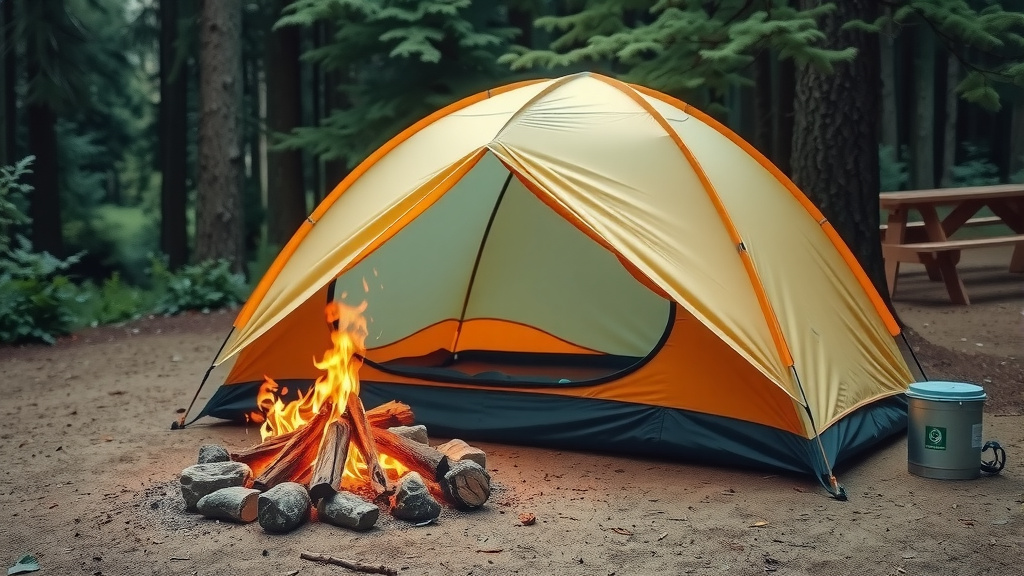
Keeping your tent a safe distance from a campfire is super important for preventing accidents. Generally, you should aim for a minimum of 10 feet between your tent and the fire pit. This buffer zone helps to prevent stray embers from igniting your gear and ensures you have a safe escape route. Many experts agree that 10-15 feet is the safest bet for most camping situations.
When setting up your campsite, consider wind direction and tent material. Flammable tent fabrics can catch fire quickly if too close to a heat source. Always clear the area around your fire pit of any dry leaves or grass. This simple step is a critical fire safety measure that can save your campsite. Your tent’s safety is a top priority when enjoying the outdoors.
- Keep tents at least 10 feet from campfires.
- Consider wind and tent material for safety.
- Clear the area around your fire pit.
- A safe distance prevents accidental ignitions.
- Enjoy your time outdoors responsibly!
Let’s walk through the exact guidelines and best practices for setting up your campsite safely. We’ll cover why this distance matters so much.
“`htmlSetting Up Your Campsite Safely: Tent-to-Fire Distance
Keeping your tent a safe distance from your campfire is probably one of the most important camping skills you’ll learn. It’s not just about comfort; it’s about safety for you and your gear. Experts generally recommend a minimum of 10 feet. This distance gives you a buffer zone. It helps protect your tent from stray sparks and embers that can fly out of a campfire. Think of it as giving your tent some breathing room. You want to enjoy your time around the fire, not worry about it. A little planning goes a long way for a peaceful camping trip. We found that many safety guides stress this point.
Why Distance Matters: The Science of Sparks and Flammability
So, why is this 10-foot rule so important? It boils down to a few key factors. First, campfires aren’t always predictable. They can send out sparks and embers in all directions. These fiery bits can travel surprisingly far, especially if there’s a breeze. Your tent, often made of synthetic materials like nylon or polyester, is highly flammable. Even a tiny ember landing on your tent could cause a significant fire very quickly. Research shows that synthetic fabrics can ignite at relatively low temperatures when exposed to direct flame or hot embers.
Understanding Ember Travel
Embers are basically glowing pieces of wood or other burning material. They can float on the air currents. Wind is a big factor here. A gentle breeze can carry embers much farther than you might expect. Imagine a small ember, no bigger than a pea, catching a gust of wind. It could easily land on your tent fabric. This can happen even if your tent seems far away. You want to give yourself a generous cushion. Many park services suggest clearing a 10-foot radius around your fire pit for this very reason. This cleared area acts as a firebreak.
Tent Materials and Heat
The material of your tent plays a big role in its flammability. Most modern tents use lightweight synthetic fabrics. These are great for being waterproof and durable. However, they also tend to melt and burn easily. Even tents labeled as “flame-retardant” aren’t fireproof. They might resist ignition for a short time, but they will still burn if exposed to enough heat or direct flame. The heat radiating from a campfire can also be intense. Being too close means your tent could potentially get hot enough to melt or even ignite, even without direct sparks. We’ve found that the type of fabric can make a difference in how quickly it ignites.
Factors Influencing Safe Distances
While 10 feet is a good starting point, it’s not a one-size-fits-all answer. Several factors can influence how far away your tent should be. Thinking about these will help you make the best decision for your specific situation. It’s all about being observant and adapting to your surroundings. What works one night might need adjustment the next.
Wind Conditions
Wind is your biggest consideration. On a calm day, 10 feet might feel perfectly adequate. However, if it’s windy, you’ll need to increase that distance. A strong wind can whip sparks and embers much farther. It can also fan the flames of your campfire, making them more intense. If you’re camping in a breezy area, we suggest setting up your tents well away from the fire pit. Think about where the wind is coming from. You don’t want it blowing sparks directly towards your sleeping area. Some experts recommend increasing the distance to 15-20 feet or even more in windy conditions.
Campfire Size and Intensity
The size and heat of your campfire also matter. A small, contained fire will produce fewer sparks than a large, roaring bonfire. If you’re just having a small fire for cooking or a bit of warmth, the standard distance is likely fine. But if you plan on having a bigger fire for ambiance, you’ll need to be more cautious. The hotter the fire, the more likely it is to send sparks flying. Consider your fire management. Are you keeping it controlled? This is a key safety point to remember.
Tent Placement and Surroundings
Where you place your tent relative to the fire pit and other campsite features is vital. Avoid setting up your tent downwind of the fire. Also, ensure there are no overhanging branches or dry vegetation between your tent and the fire. These can easily catch fire. Always clear the area around your fire pit. Remove any dry leaves, grass, or pine needles within a 10-foot radius. This creates a safe zone. This simple step is a critical fire safety measure that can save your campsite. Your tent’s safety is a top priority.
Recommended Distances: A Quick Guide
To make things easy, here’s a breakdown of general recommendations. These are based on common camping advice and safety guidelines. Remember to always use your best judgment.
| Condition | Recommended Minimum Distance from Fire |
|---|---|
| Calm Weather, Small Fire | 10 feet |
| Breezy Conditions, Moderate Fire | 15 feet |
| Windy Conditions, Large Fire | 20+ feet |
| Near Flammable Materials (e.g., dry grass) | Increase distance significantly |
This table should give you a good starting point. We found that visual aids like this are helpful for campers. Always err on the side of caution.
Beyond Distance: Other Fire Safety Tips for Campers
Keeping your tent at a safe distance is crucial, but it’s just one part of campfire safety. Here are a few more tips to keep your campsite secure. Always have water and a shovel nearby. These are essential for controlling and extinguishing your fire. Never leave a campfire unattended. Make sure your fire is completely out before you go to sleep or leave your campsite. Douse it with water, stir the ashes, and feel for heat. You should be able to touch the ashes with your bare hand. Many park rangers will tell you this is non-negotiable.
Your Campsite Safety Checklist
Here’s a quick checklist to help you set up your campsite safely:
- Clear the area around your fire pit of dry leaves and debris.
- Position tents at least 10 feet from the fire, more in windy conditions.
- Consider wind direction and avoid setting tents downwind.
- Never leave a fire unattended.
- Have water and a shovel readily available near the fire.
- Ensure the fire is completely out before leaving or sleeping.
Following these simple steps will help ensure you have a safe and enjoyable camping experience. Your safety and the protection of your gear depend on these practices.
“`Conclusion
You’ve learned that keeping your tent at a safe distance from your campfire is key to a secure camping trip. We’ve seen that 10 feet is a minimum, but factors like wind and fire size mean you might need 15-20 feet or more. Always clear the area around your fire pit and be mindful of your tent’s material. Your safety and gear are worth this simple bit of planning. Take a moment at your next campsite to assess the wind and your fire’s potential. You’ve got this!
Frequently Asked Questions
What if my tent is made of flame-retardant material?
Even flame-retardant tents aren’t fireproof. While they offer more resistance, they can still melt or ignite with prolonged exposure to heat or direct embers. It’s still wise to maintain a safe distance to prevent any damage or hazards.
Is 10 feet enough if I only plan a small cooking fire?
For a small, controlled cooking fire on a calm day, 10 feet can be sufficient. However, always be aware of any sudden gusts of wind or unpredictable sparks. Increasing the distance slightly, even for a small fire, is always a safer choice.
Can the heat from a fire melt my tent even without sparks?
Yes, intense heat radiating from a campfire can potentially melt or damage tent fabrics, especially synthetic ones. Being too close means your tent could absorb enough heat to cause melting or weakening, even without direct contact from embers.
What’s the best way to check if my campfire is truly out?
To ensure your campfire is completely extinguished, douse it thoroughly with water. Stir the ashes and embers with a shovel, then feel them with your hand. If the ashes are cool enough to touch, the fire is out. Never leave your campsite until the fire is dead out.
Should I worry about tent distance if I’m camping on a sandy beach?
Even on sand, stray embers can travel and ignite nearby dry debris or even your tent. While sand itself is not highly flammable, the surrounding environment might be. Always maintain a safe distance and clear the immediate area around your fire pit.
![7 Best Ground Tent For Overlanding [2026]](https://leonardhomeoutdoor.com/wp-content/uploads/2026/08/7-best-ground-tent-for-overlanding-2026-featured-768x432.jpg)