
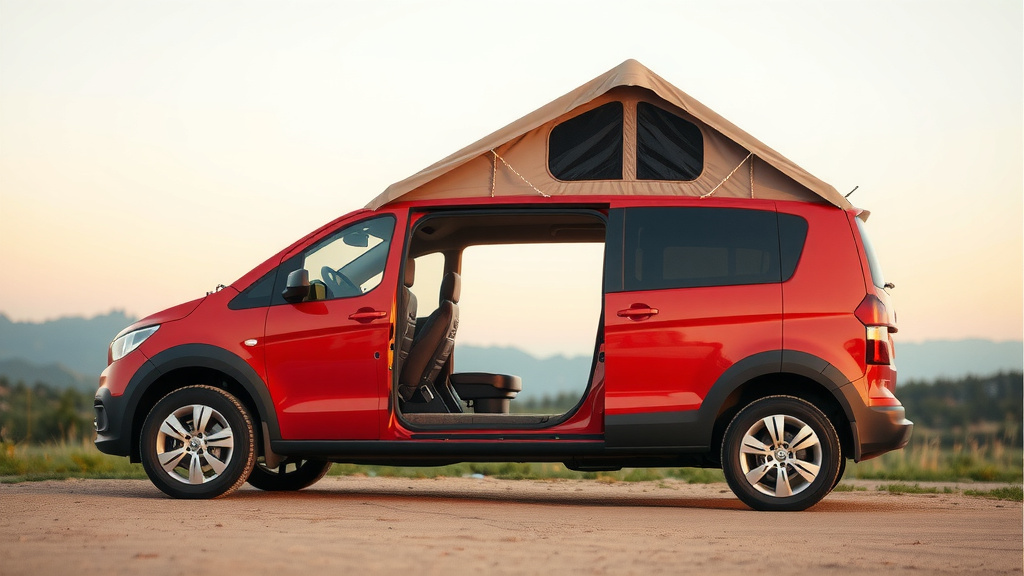
Hard vs Soft Top Rooftop Tent: Which Is Right For You
Choosing between a hard top vs soft top roof top tent really depends on what you need most: speed and durability, or affordability and lighter weight. Hard shell tents pop open in seconds and are built tough for rough conditions. Soft shell tents are generally more budget-friendly and easier to carry on your vehicle.
We’ve looked at many options and found that both types offer fantastic ways to camp. A hard top offers superior protection from the elements and wildlife. A soft top is often easier for first-time buyers and lighter on your car’s load capacity. Your choice will shape your entire camping experience.
- Hard tops are faster to set up and more durable.
- Soft tops are usually cheaper and lighter.
- Consider your budget and vehicle weight limits.
- Think about how much protection you need from weather.
Let’s break down the key differences and help you figure out which type of roof top tent is the perfect match for your adventures.
Choosing Your Roof Top Tent: Hard vs. Soft Shell
Deciding between a hard shell and a soft shell roof top tent (RTT) is a big step in planning your outdoor adventures. Both give you that elevated camping experience, but they offer different benefits. Your choice will affect how quickly you can set up camp, how much gear you can carry, and even how well you sleep. We’ve looked at many options and found that understanding these differences is key to finding the right RTT for your needs.
The Speed and Simplicity of Hard Shell RTTs
Hard shell RTTs are known for their lightning-fast setup. Imagine arriving at your campsite after a long drive. You want to relax, not struggle with tent poles. With a hard shell, you simply unlatch it, and with a bit of assist, it pops open. We found that many models go from closed to fully deployed in under a minute. This speed is a huge advantage, especially if you’re arriving late or dealing with bad weather.
How Hard Shells Work
These tents use a rigid case, typically made of ABS plastic or aluminum. When you open the latches, gas struts or a built-in mechanism push the tent shell upward. This action unfurls the fabric walls and supports the pop-up design. It’s like magic for campers!
Durability and Weather Resistance
The solid shell of a hard top RTT offers superior protection. It shields your tent from falling branches and debris. Many experts say this makes them a great choice for off-road travel or areas with heavy tree cover. The sturdy construction also means they hold up better against strong winds and heavy rain. We found that the seals are usually quite good, keeping moisture out effectively.
Built for the Elements
You can feel more secure sleeping in a hard shell tent during a storm. The robust materials and design can handle tough conditions. This durability translates to a longer lifespan for the tent, too.
Weight and Fuel Economy Considerations
One of the main drawbacks of hard shell RTTs is their weight. They are generally heavier than soft shell models. This extra weight can impact your vehicle’s fuel economy. It’s important to check your vehicle’s roof load capacity before purchasing. We recommend consulting your car’s manual or a professional if you’re unsure.
The Versatility and Affordability of Soft Shell RTTs
Soft shell RTTs are the traditional choice for many campers, offering a balance of features and value. They are typically more budget-friendly than their hard shell counterparts. If you’re looking to get into roof top camping without a massive initial investment, a soft shell is often the way to go. We’ve seen a wide range of prices that can fit different budgets.
Setup Process for Soft Shells
Setting up a soft shell tent involves unfolding fabric and setting up external poles. It’s a bit more involved than a hard shell. You’ll need to stake out the rainfly and possibly extend some supporting poles. We found that the process usually takes between 5 to 15 minutes once you get the hang of it. It’s a good idea to practice setting it up at home before your first trip.
What to Expect During Setup
Think of it like setting up a regular ground tent, but on your vehicle’s roof. You’ll typically unzip the cover, unfold the tent fabric, and then deploy the ladder. After that, you’ll set up the rainfly for added weather protection. It requires a bit more manual effort, but it’s still quite manageable.
Portability and Vehicle Compatibility
Soft shell RTTs are generally lighter and more compact when closed. This makes them a better option for vehicles with lower roof load capacities. Their lighter weight also means less impact on your gas mileage. Many models fold down neatly, creating a low profile on your roof rack.
Easier on Your Vehicle
If you have a smaller SUV, crossover, or even a car with a sturdy roof rack, a soft shell might be a more practical choice. You don’t have to worry as much about exceeding weight limits. This is a key consideration for many first-time buyers.
Weather Protection and Durability
While soft shells can be quite water-resistant, they may not offer the same level of all-weather protection as hard shells. The fabric walls can be more susceptible to wind and heavy downpours. However, most come with robust rainflies that offer excellent coverage. We found that good quality soft shells can still keep you dry and comfortable in most camping conditions.
When to Be Extra Cautious
In extremely windy conditions or torrential rain, you might feel a bit more exposed in a soft shell. The fabric can flap, and while it’s designed to handle this, it’s not quite the same as being inside a rigid shell. It’s wise to check the weather forecast and be prepared.

Key Differences Summarized
To help you visualize the choice, here’s a quick comparison:
| Feature | Hard Shell RTT | Soft Shell RTT |
|---|---|---|
| Setup Speed | Very Fast (seconds to a minute) | Moderate (5-15 minutes) |
| Durability | High (rigid shell protects from elements/impacts) | Moderate (fabric can be more exposed) |
| Weather Resistance | Excellent (superior wind/rain protection) | Good (relies heavily on rainfly) |
| Weight | Heavier | Lighter |
| Cost | Generally Higher | Generally Lower |
| Vehicle Impact | Higher fuel consumption, check load capacity | Lower fuel consumption, easier on load limits |
Making the Right Choice for Your Adventures
So, which one is for you? It boils down to your priorities. If you value speed and rugged durability above all else, and your budget and vehicle can handle the weight, a hard shell might be your best bet. Think of it as your adventure-ready fortress.
On the other hand, if you’re looking for a more affordable entry into RTT camping, or if your vehicle has load limits to consider, a soft shell is a fantastic and practical option. It’s like a comfortable, elevated tent that travels with you.
Your Pre-Adventure Checklist
Before you make your final decision, ask yourself these questions:
- What’s my budget for the RTT?
- What is my vehicle’s roof load capacity?
- How often will I be camping in inclement weather?
- How important is quick setup after a long day?
- What kind of terrain will I typically be driving on?
- Do I need extra space for gear on top of the tent when closed?
Answering these will steer you toward the RTT that will best serve your camping style. Happy trails!
Conclusion
Your choice between a hard top and a soft top roof top tent comes down to your personal camping style and priorities. If you crave rapid setup and need the toughest protection for rough conditions, a hard shell tent is likely your best bet. For those prioritizing affordability and lighter weight, especially with vehicle load limits in mind, a soft shell offers excellent value and convenience. We’ve researched many options, and either type can significantly enhance your outdoor adventures.
Before you buy, carefully consider your budget, vehicle’s capacity, and how often you’ll camp in challenging weather. This thoughtful assessment will help you select the roof top tent that will serve you best on countless journeys.
Frequently Asked Questions
Can a soft top RTT handle rain and wind as well as a hard top?
While good quality soft top RTTs offer good water resistance with their rainflies, hard shells generally provide superior protection against strong winds and heavy downpours due to their rigid construction. You might feel more secure in a hard shell during severe weather.
Which type of RTT is better for off-roading?
Hard shell RTTs are often recommended for off-roading because their solid exterior protects them from low-hanging branches and trail debris. The robust construction also means they can withstand rougher terrain and impacts better.
Do hard shell RTTs require more maintenance than soft shells?
Generally, both require regular cleaning and care. Hard shells might need occasional checks on their gas struts and seals, while soft shells require ensuring the fabric is dry before packing to prevent mold and mildew.
What is the typical lifespan difference between hard and soft top RTTs?
Hard shell RTTs often have a longer lifespan due to their durable, rigid construction which offers better protection from the elements and physical damage. However, a well-maintained soft shell can still last many years.
Is it possible to mount extra gear on top of a closed hard shell RTT?
Yes, many hard shell RTTs are designed with mounting points or a flat top surface that allows you to securely strap down additional gear like kayaks, surfboards, or extra storage boxes when the tent is closed.

![7 Person 4 Season Tent [2026]](https://leonardhomeoutdoor.com/wp-content/uploads/2026/08/7-person-4-season-tent-2026-featured-768x432.jpg)