Bell Tent vs Normal Tent: Which Camping Shelter Wins
Choosing between a bell tent and a normal tent really boils down to your camping priorities. If you’re dreaming of spacious, comfortable glamping with plenty of headroom and a chic aesthetic, a bell tent is likely your winner. For a more budget-friendly, lightweight, and easy-to-set-up option that’s perfect for backpacking or shorter trips, a traditional dome or cabin tent usually fits the bill.
Both tent types offer shelter from the elements, but they provide vastly different camping experiences. A bell tent offers an open, airy feel, making it feel more like a room than a tent, while normal tents are typically designed for functionality and portability. We found that considering your trip’s purpose, like comfort vs. convenience, is key to making the right choice.
- Bell tents offer spaciousness and a stylish glamping feel.
- Normal tents are generally lighter, more affordable, and quicker to set up.
- Consider your camping style: comfort and aesthetics (bell) vs. practicality and travel (normal).
- Bell tents are heavier and require more space for setup.
- Normal tents are great for backpacking and casual trips.
Let’s walk through exactly what sets these two tent styles apart so you can pick the perfect shelter for your next adventure.
Understanding Your Camping Shelter: Bell Tents vs. Traditional Tents
Choosing the right tent can dramatically change your camping experience. You’re probably wondering about the key differences between a bell tent and what we’ll call a “normal” tent, like a dome or cabin style. The main distinction lies in their design, intended use, and the overall feel they offer at your campsite.
The Bell Tent Experience: Glamping in a Cone
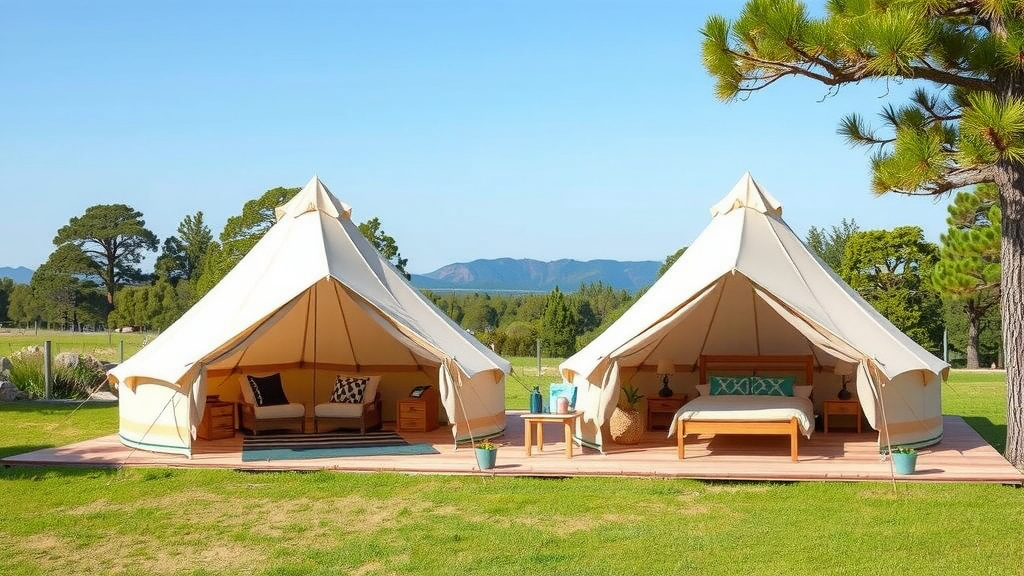
Imagine stepping into a spacious, airy room rather than a cramped tent. That’s the essence of a bell tent. Their iconic, conical shape isn’t just for looks; it provides incredible headroom and a feeling of openness.
Design and Structure
A bell tent is essentially a large canvas cone, supported by a single central pole and a ring of guy ropes. This simple yet effective design creates a vast interior space. You can often stand up and walk around comfortably inside, which is a huge plus for longer stays or when the weather keeps you inside.
Space and Comfort
Bell tents truly shine when it comes to interior space. They are designed for comfort, often large enough to fit a queen-sized bed, furniture, and still have plenty of room to move. Many campers even set up small tables and chairs inside, making it feel like a cozy outdoor living room. This makes them a popular choice for glamping – camping with more luxurious amenities.
Pros of Bell Tents
- Exceptional headroom and spacious interior.
- Aesthetic appeal, creating a beautiful campsite.
- Excellent ventilation, especially with zipped-out groundsheet options.
- Durable and long-lasting canvas material.
Cons of Bell Tents
- Heavier and bulkier to transport compared to normal tents.
- Setup can be more involved, often requiring two people.
- Canvas can be more expensive upfront.
- Requires more space at the campsite for proper pitching.
The Traditional Tent Approach: Function and Portability
Normal tents, often dome or cabin-style, are built with practicality in mind. They prioritize ease of use, portability, and protection from the elements.
Design and Structure
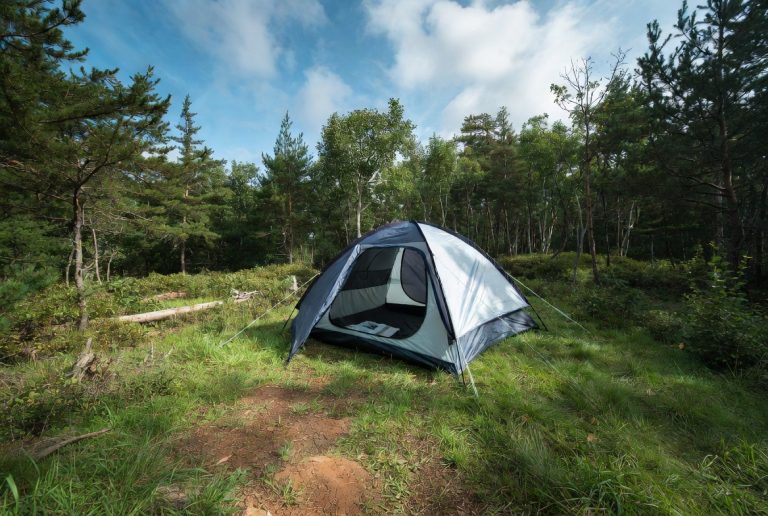
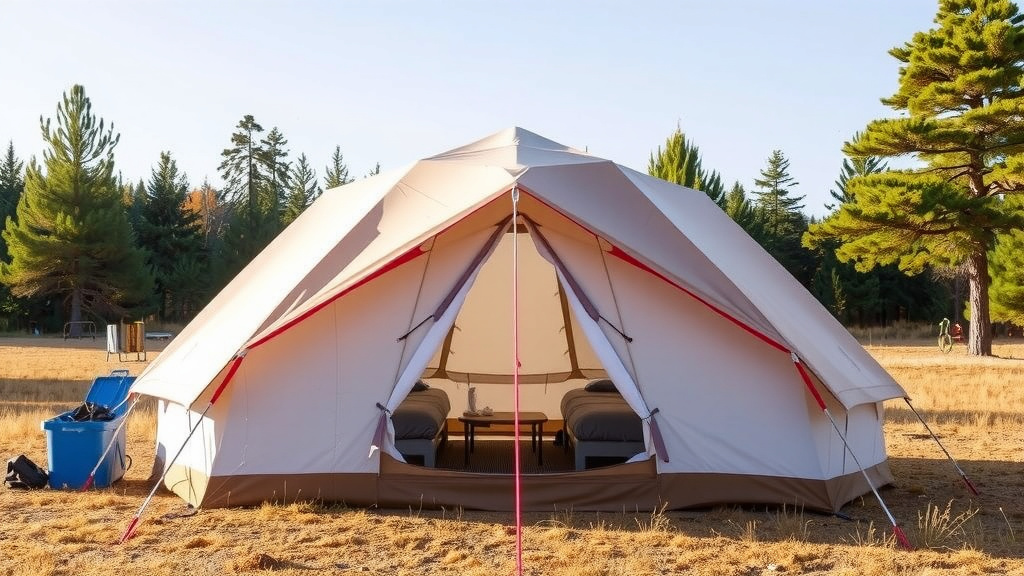
These tents typically use a system of flexible poles that create an arched frame, giving them their shape. Dome tents are low-profile and aerodynamic, while cabin tents offer more vertical walls for extra space. They come in a wide range of sizes, from single-person backpacking tents to family-sized models.
Space and Comfort
While not as expansive as bell tents, modern normal tents offer surprisingly good living space. You can usually sit up comfortably in the center, and many larger models provide separate rooms or vestibules for gear storage. They are designed to be functional shelters for sleeping and storing your essentials.
Pros of Normal Tents
- Generally lighter and more compact for easier transport.
- Quicker and simpler setup, often possible by one person.
- Wide variety of sizes and price points available.
- Materials are often waterproof and durable.
Cons of Normal Tents
- Limited headroom compared to bell tents.
- Can feel more enclosed, especially in bad weather.
- Some materials may not breathe as well, leading to condensation.
- Aesthetics are typically more utilitarian.
Key Comparison Points: Making Your Choice
When you’re weighing your options, think about what matters most for your adventures. We’ve found that considering a few key factors can really clarify which tent style is right for you.
Portability and Weight
If you plan on hiking to your campsite or need something easy to load into your car, a normal tent wins. They are engineered to be lightweight. Bell tents, with their canvas material and central pole, are significantly heavier and bulkier. You’ll likely need a vehicle for transport (Many outdoor gear guides highlight weight as a primary factor for backpackers).
Setup Ease and Time
For quick weekend trips or when you arrive at the campsite late, a normal tent is usually the faster option. Many dome tents can be set up in under 10 minutes. Bell tents require more careful pitching, involving staking out guy lines and centering the pole, which can take longer, especially if you’re new to it.
Durability and Material
Bell tents are traditionally made from canvas. Canvas is incredibly durable, breathable, and provides excellent insulation in both heat and cold. It’s a material built to last for years with proper care. Modern normal tents often use synthetic fabrics like polyester or nylon. These are also very durable and offer excellent waterproofing, but they may not offer the same breathability or insulation as canvas (Material science reports often compare synthetic vs. natural fibers for outdoor use).
Cost Considerations
Bell tents often have a higher initial price tag due to their size and material. However, their longevity can make them a cost-effective choice over the long term. Normal tents offer a much wider price range, with budget-friendly options readily available, alongside high-end models. You can often find a good quality normal tent for less than a comparable-sized bell tent.
Weather Performance
Both types of tents can perform well in various weather conditions, but they do so differently. The conical shape of a bell tent sheds wind and rain effectively. Their canvas material also offers good protection against sun and can be surprisingly cool in the heat. Normal tents, especially dome styles, are built to be aerodynamic and handle strong winds. Their waterproof coatings are excellent for keeping rain out, but ventilation can sometimes be a challenge in humid conditions.
Your Camping Checklist: Bell Tent or Normal Tent?
To help you decide, ask yourself these quick questions:
- Do you prioritize spacious living areas over quick setup?
- Is portability and low weight a major concern for your trips?
- Are you looking for a stylish, glamping-like atmosphere?
- Will you be traveling by car or hiking to your campsite?
- What’s your budget for the initial tent purchase?
- How much time are you willing to spend setting up your camp?
By considering these points, you’ll get a much clearer picture of which tent type will best suit your personal camping style and upcoming adventures.
Conclusion
Ultimately, your ideal camping shelter depends on what you want from your outdoor escape. If you crave spacious comfort and a touch of luxury, a bell tent offers a beautiful glamping experience. For those who prioritize lightweight convenience and quick setup, a traditional tent is your reliable companion. We found that understanding your personal travel style—whether it’s car camping with amenities or backpacking light—is the best guide. Before you buy, consider your usual trip types and what matters most: is it a roomy living space or easy portability?
Now that you’ve weighed the pros and cons, take a moment to visualize your perfect campsite and choose the tent that will make it a reality.
Frequently Asked Questions
Are bell tents difficult to set up on your own?
Bell tents are often easier to pitch with two people. The central pole needs careful placement, and properly tensioning the guy lines is important for stability. While one person can set it up, it usually takes more time and effort than pitching a normal tent.
Can you use a bell tent for winter camping?
Yes, bell tents can be surprisingly good for winter camping. Their canvas material offers excellent insulation against both heat and cold. Many have options for wood-burning stoves, making them very cozy for colder months, but you’ll still need to consider ground insulation.
How do normal tents handle strong winds compared to bell tents?
Dome-style normal tents are generally more aerodynamic and better designed to handle high winds. Their lower profile and flexible poles allow them to flex with the wind. Bell tents, while stable, have a larger surface area that can catch more wind.
Is canvas or synthetic material better for a tent?
Canvas, used in bell tents, is highly breathable and durable, offering great temperature regulation. Synthetic materials in normal tents are typically lighter, more waterproof, and easier to dry. The “better” material depends on your priorities like weight, breathability, and budget.
How much more expensive are bell tents than normal tents?
Bell tents generally have a higher upfront cost. This is due to the larger amount of durable canvas material and the robust central pole structure. Normal tents come in a wide price range, with many affordable options available for budget-conscious campers.
![7 Best Air Tent For Camping [2026]](https://leonardhomeoutdoor.com/wp-content/uploads/2026/07/7-best-air-tent-for-camping-2026-featured-768x432.jpg)